Nasturtium Flowers: A Vibrant Boost for Garden, Plate, and Soul
When you stroll through a garden bursting with color, it’s hard to miss the bold, pepper‑bright splash of nasturtium ( Tropaeolum majus ). This hardy annual is more than just an eye‑candy; it’s a multi‑tasking marvel that delights gardeners, chefs, and natural‑healers alike.
In just a few short weeks from seed to bloom, nasturtiums transform any space—whether it’s a sunny balcony, a shady woodland edge, or a kitchen garden plot. Below, we explore why these flowers deserve a permanent spot in your plant repertoire.
- A Show‑Stopper in the Landscape
Nasturtiums are the ultimate “low‑maintenance glamour” plants. Their trailing vines can reach 3 ft (1 m) and spill over pots, trellises, or garden beds, creating a cascading carpet of trumpet‑shaped blossoms.
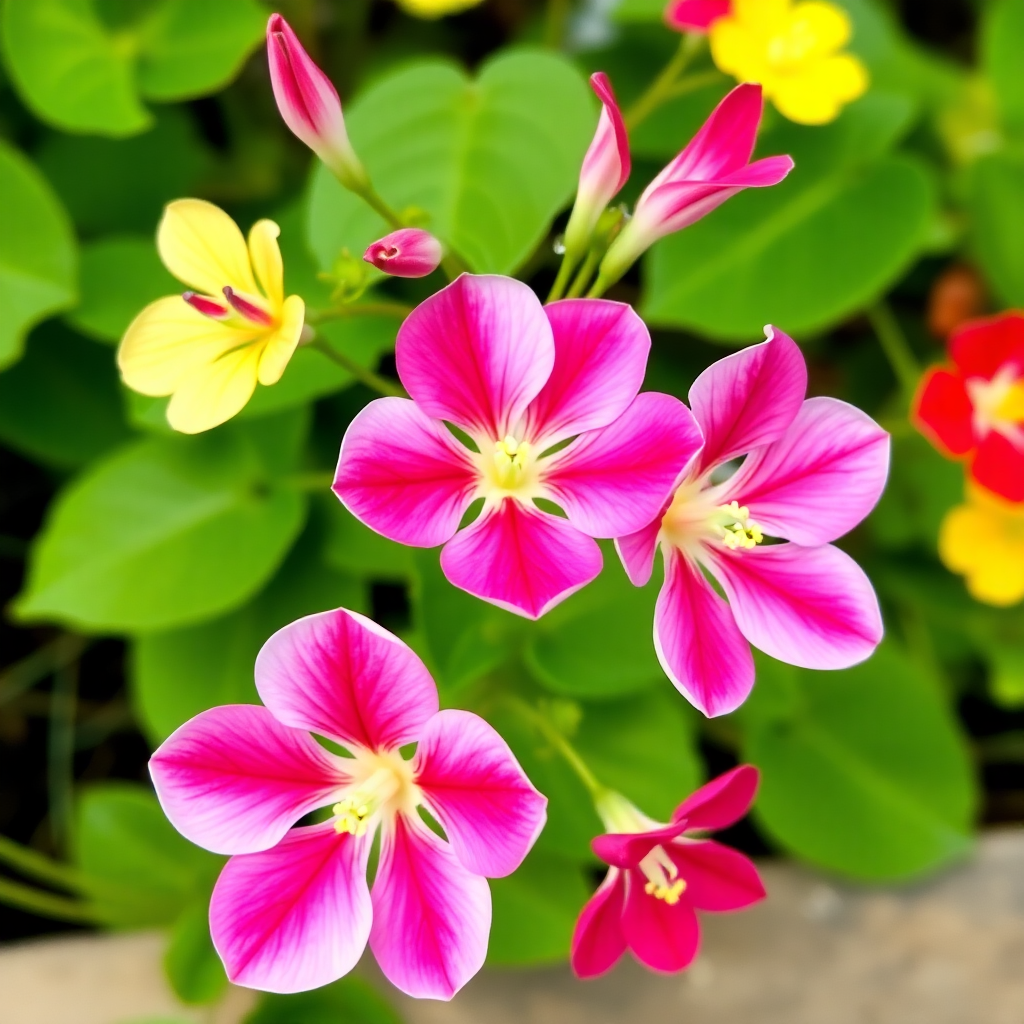
The palette ranges from sunny orange and flaming red to buttery yellow and deep burgundy, often changing hue as the flower ages. Their rounded, glossy leaves—reminiscent of watercress—add texture and a subtle aromatic note to the garden.
Because they thrive in full sun to light shade and tolerate a wide range of soils (even the poorest, as long as it’s well‑draining), nasturtiums are perfect for gardeners who want impact without fuss. In fact, they prefer slightly nutrient‑poor conditions; over‑fertilizing encourages leafy growth at the expense of flowers.
- Easy Care, Big Rewards
Planting: Sow seeds directly after the last frost, spacing them 6–12 in (15–30 cm) apart. Lightly press them into the soil—no deep burial needed. If you’re short on space, start them in a seed‑tray and transplant once seedlings have a couple of true leaves.
Watering: Keep the soil consistently moist during germination, then let it dry out a bit between waterings. Their succulent‑like stems store water, making them drought‑tolerant once established.
Pruning: A light pinch after the first bloom promotes a second flush of flowers. In hot climates, dead‑heading extends the blooming season and prevents self‑seeding, unless you welcome a wild‑flower meadow.
- Culinary & Medicinal Magic
The peppery flavor of nasturtium leaves, stems, and blossoms makes them a star ingredient in salads, garnishes, and even cocktails. Young leaves pair beautifully with vinaigrette; mature leaves add a radish‑like bite to soups; the flowers, when added at the end of cooking, lend a subtle citrus note.
Nutritionally, they’re rich in vitamin C, beta‑carotene, and antioxidants. Traditional herbalists have used nasturtium as a diuretic, antimicrobial, and respiratory aid. A simple tea—steep a handful of fresh leaves in hot water—can help soothe sore throats and clear congestion.
- Attracting Beneficial Insects
Beyond aesthetics and edibility, nasturtiums act as a living trap crop. Their nectar and foliage lure aphids, whiteflies, and other sap‑sucking pests away from nearby vegetables. At the same time, they attract pollinators—bees, butterflies, and hummingbirds—boosting overall garden biodiversity.
- Quick Tips for a Thriving Nasturtium Display
| Tip | Why It Matters |
|---|---|
| Plant in poor, well‑draining soil | Promotes abundant flowering |
| Provide 6–8 hrs of sunlight | Maximizes color intensity |
| Pinch back after 5–6 blooms | Encourages a second flush |
| Add companion herbs like basil | Enhances pest‑repellent effect |
| Harvest early morning flowers | Retains vivid color and flavor |
Final Thought
Nasturtium flowers are a reminder that gardening doesn’t have to be complicated to be rewarding. Their vivid hues, effortless care, culinary versatility, and ecological benefits make them a true all‑rounder. Whether you’re a seasoned horticulturist or a kitchen‑window beginner, planting a few nasturtiums today will give you a burst of color, flavor, and garden‑friendly goodness—often within just a month.
So go ahead: scatter those glossy seeds, watch the vines unfurl, and let the peppery charm of nasturtiums elevate your garden, plate, and spirit. 🌿🌺