The Daffodil: A Bright Burst of Spring History, Symbolism, and Care Tips
When the first warm breezes stir after a long winter, there’s hardly a more reliable herald of the season than the daffodil. With its sunny trumpet‑shaped corona and cheerful yellow (or sometimes white and orange) petals, this modest bulb has been celebrated for centuries—not only for its eye‑catching color, but also for the rich folklore, horticultural versatility, and surprisingly easy care it offers.
In this post we’ll explore the daffodil’s origins, its symbolic meaning, and practical tips to keep your garden blooming year after year.
A Brief History: From Ancient Gardens to Modern Borders
The word daffodil comes from the Old English “thefodil,” meaning “deaf” or “stupid,” a reference to the plant’s early blooming before the world seemed fully awake. Native to the Mediterranean basin, the species Narcissus first appeared in ancient Greek texts as a symbol of rebirth and renewal—an apt motif for a flower that pierces through the thawing soil.
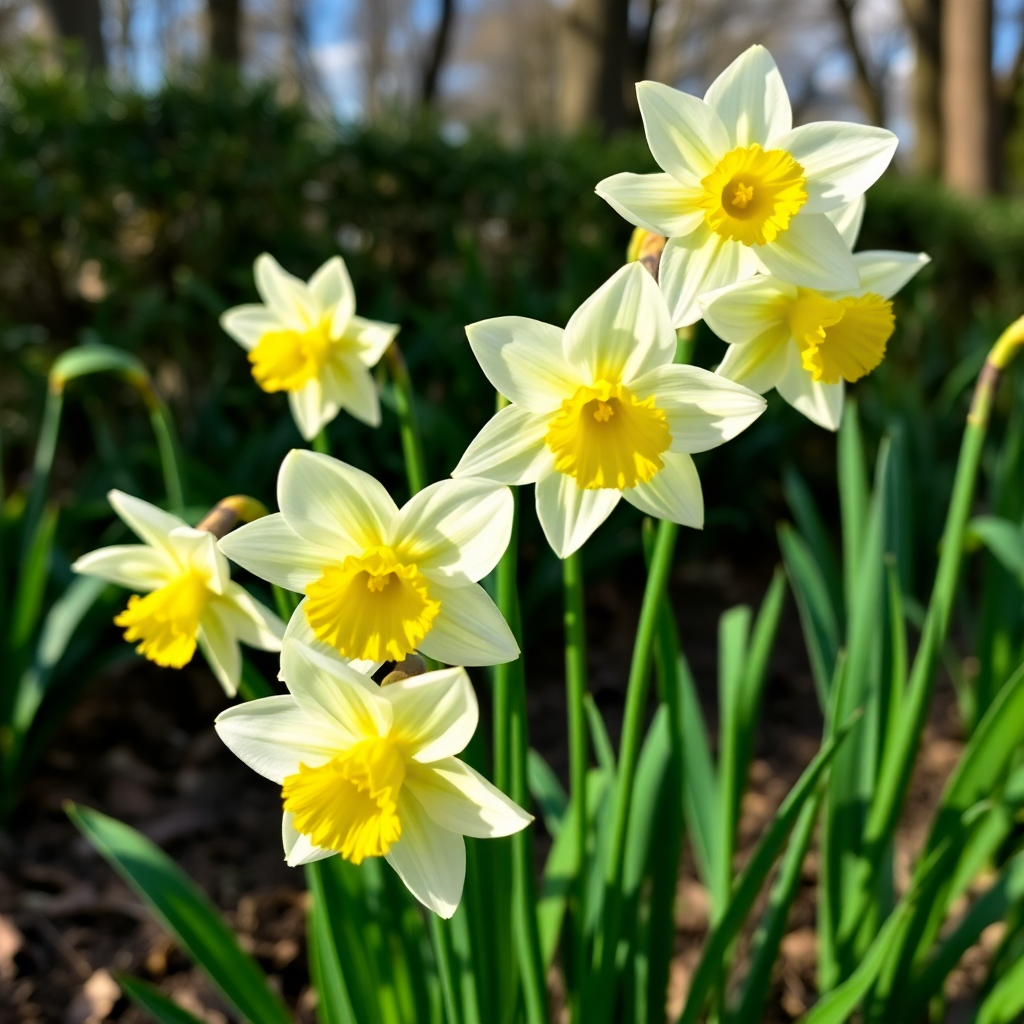
During the Victorian era, daffodils became a favorite in cottage gardens and were immortalized in poetry, most famously in William Wordsworth’s “I Wandered Lonely as a Cloud.” Today, over 50 cultivated varieties—ranging from the classic “King Alfred” to the delicate “Tête-à-Tête” miniatures—adorn everything from formal flower beds to balcony pots.
Symbolism: More Than Just a Pretty Face
Across cultures, daffodils carry layered meanings:
| Culture Symbolic | Theme | Why It Matters |
|---|---|---|
| Western (Christian) | Resurrection & New Life | Their emergence after winter mirrors the resurrection narrative. |
| Chinese | Good Fortune & Prosperity | The golden hue is linked to wealth and happiness during Lunar New Year. |
| Welsh | National Identity | The daffodil is Wales’ national flower, worn proudly on St. David’s Day. |
These associations make daffodils a thoughtful gift for birthdays, graduations, or even as a subtle “thinking of you” gesture during challenging times.
Growing & Caring: Simple Steps for a Thriving Stand
Plant at the Right Time – In most temperate zones, plant dormant bulbs in the fall (late September to early November). This gives roots a chance to establish before the freeze.
Choose the Perfect Spot – Daffodils love full sun to partial shade and well‑draining soil. A slight slope helps prevent water‑logging.
Depth Matters – Bury bulbs 2–3 times their height (about 6–9 inches deep). Deeper planting protects them from winter temperature swings.
Water Wisely – After planting, water lightly to settle the soil. Once foliage appears, keep the ground evenly moist but avoid soggy conditions.
Leave the Foliage – Allow leaves to yellow and die naturally after blooming; they feed the bulb for next season’s growth.
Divide Every 3–5 Years – Gently lift and separate crowded bulbs in late summer to maintain vigor and prevent disease.
Bringing Daffodils Indoors
If you’re short on garden space, consider forcing bulbs in a vase of water. Place clean, peeled bulbs in a shallow dish, cover with water, and keep them on a sunny windowsill. Within two weeks you’ll enjoy a mini‑spring display that lasts for weeks—perfect for a desk or dining table.
Final Thoughts
Beyond their striking appearance, daffodils embody resilience, optimism, and a reminder that every cold season eventually yields to light. Whether you’re a seasoned horticulturist or a casual weekend gardener, inviting these bright bulbs into your space promises not only a splash of color but also a touch of history and hope. Plant a few this fall, and watch your garden—and spirit—brighten with each spring sunrise.
Upvoted! Thank you for supporting witness @jswit.