72 hours, part II

This is the English version of the post 72 ore, parte II, originally published in Italian in the ITALY community.
About a year ago, a rather unusual video promoted by the EU Commissioner for Crisis Management, Hadja Lahbib, circulated, in which European institutions essentially advised citizens to keep a survival backpack ready, useful to get through at least 72 hours of a potential crisis.
At the time, a large portion of EU citizens barely registered the message, quickly moving on, as often happens in this era of information overload. However, in some minds, that seed—planted without much apparent justification—began to grow.
The questions raised by those more inclined toward critical thinking sounded something like this: what was that video really trying to communicate? Are European citizens truly at risk of facing difficult scenarios for which, for several generations, they have not been prepared?
The answers are not easy to find for ordinary people like us, but one year after the release of that video, it might be wise to raise our level of alert slightly. While the war between Russia and Ukraine, aside from inflation, had a relatively limited impact on our lifestyles, the conflict that has erupted in Iran could affect far larger portions of civil society.
We discussed the issue of oil and the resulting rise in fuel prices in a post published about a week ago, but it is possible that, for the Old Continent, the situation may soon turn out even worse than expected, potentially leading member states to something that until recently seemed unthinkable, such as electricity rationing.
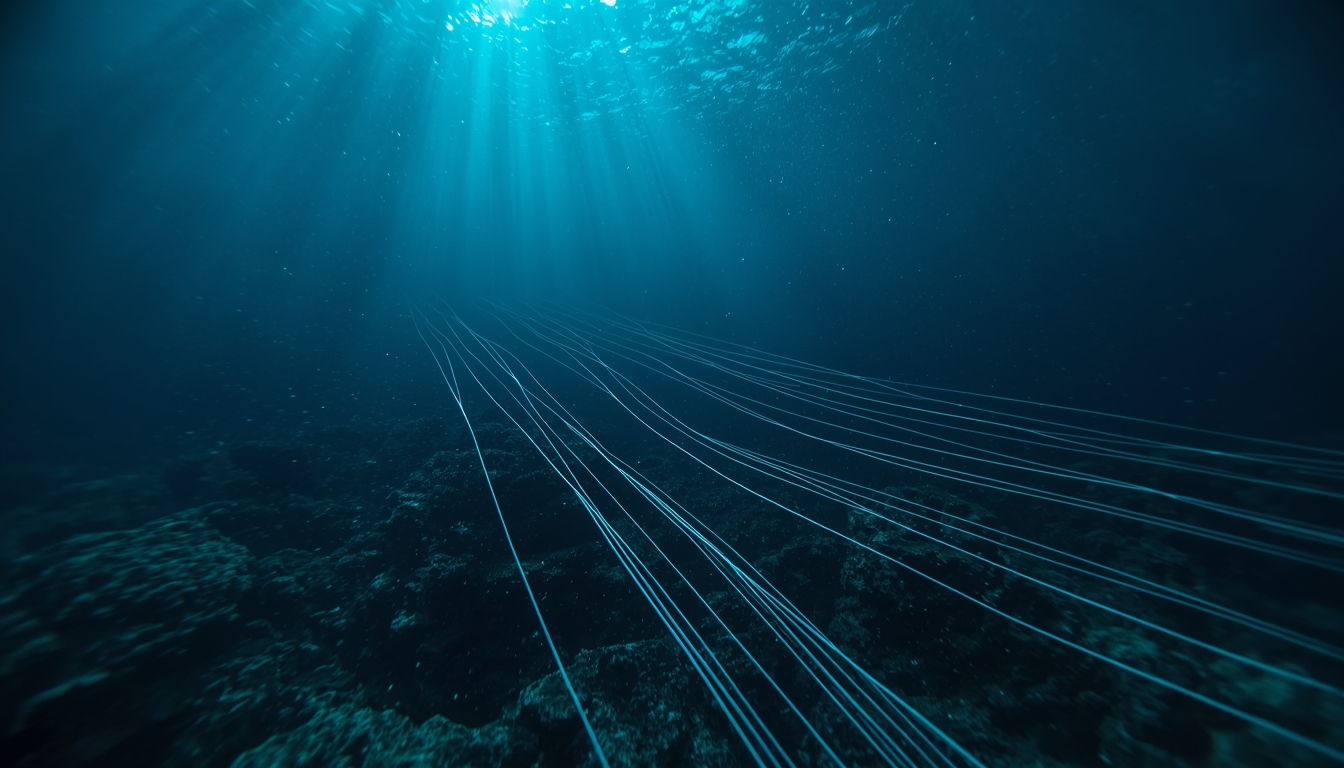
But that’s not all. According to some independent journalistic sources, Iran could, in the coming days—should the conflict not end in its favor—carry out a retaliatory move against the Western world by cutting undersea cables responsible for distributing internet connectivity between Asia and Europe.
This would naturally trigger a chain reaction of disruptions, such as the inability for several EU countries to access the internet. Banking transactions would stop, online communications would be interrupted, and services relying on cloud access or Artificial Intelligence would be severely affected.
And this is precisely where cash, playing cards, battery-powered radios, and the supplies listed by Hadja Lahbib in her video come back to mind. It is likely that the response capacity of member states would allow such crises to be resolved within two or three days (hence the famous 72 hours), but as things stand today, how many people would truly be able to handle such a situation?
It is hard to believe that institutions acted randomly, merely chasing clicks like an average TikTok or Facebook user. It seems far more likely that sooner or later those recommendations from the crisis management commissioner will resurface, almost as if to say, “We told you so…”
In any case, it is better to be prepared. And personally, I would add one more small precaution: cover the back of a relative, a friend, or even a neighbor who may not have prepared at all. Because the greatest threat is not the lack of gas, electricity, or internet, but the danger posed by people when they find themselves with their backs against the wall.
I'm part of ITALYGAME Team
together with:
@girolamomarotta, @sardrt, @mikitaly, @mad-runner, @famigliacurione
 👉 VOTA PER NOI COME WITNESS👈
.jpg)
Upvoted! Thank you for supporting witness @jswit.
This post has been upvoted by @italygame witness curation trail
If you like our work and want to support us, please consider to approve our witness
Come and visit Italy Community