Other ‘imaginative’ Hollywood scenarios are about to become reality
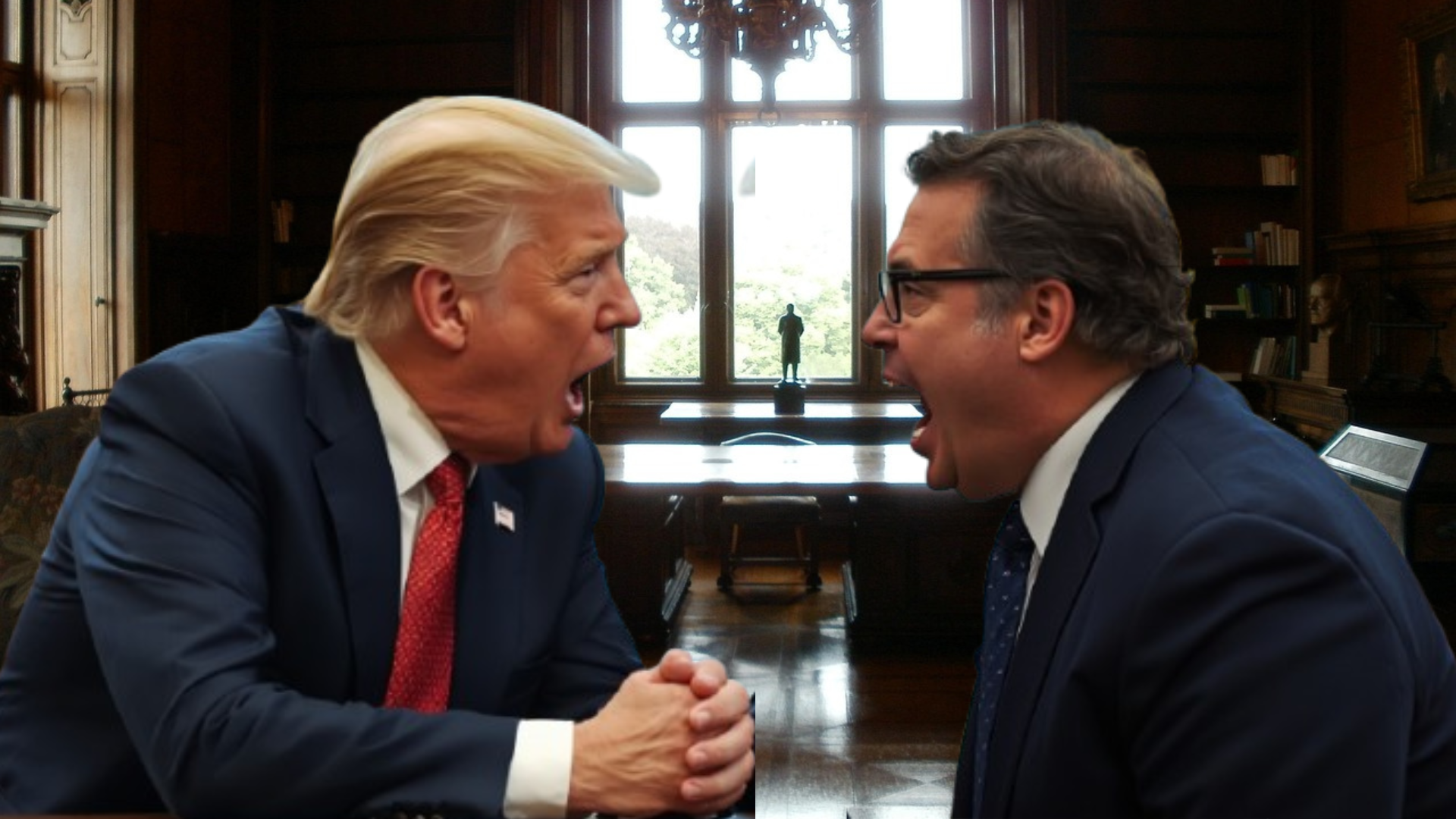
Image created with Leonardo.ai
This is the English version of the post Altri "fantasiosi" scenari di Hollywood stanno per trasformarsi in realtà, originally published in Italian in the ITALY community.

There has been intense debate in recent days over the dispute between Dario Amodei, CEO together with his sister Daniela of Anthropic, and the United States Department of Defense regarding the supply of Artificial Intelligence systems intended for the Pentagon.
The White House and the AI company founded by the two Italian-American siblings had already been collaborating for about a year and, although the Defense Department also maintained commercial relationships with other firms such as OpenAI and Google, it was precisely with Anthropic that it seemed to have built the strongest partnership.
After a period of mutual satisfaction, the relationship reportedly began to falter when the Pentagon made a rather unusual request: unrestricted use of the AI models provided by the company—that is, bypassing any rules or restrictions contained in the Terms of Service.
Despite initial hesitation, after a period of reflection the Anthropic team appeared more conciliatory and willing to meet the White House halfway, on the condition that two fundamental restrictions remain in place: the prohibition on using Claude (their advanced AI model) for mass surveillance and for the development of fully autonomous weapons or robotic agents.
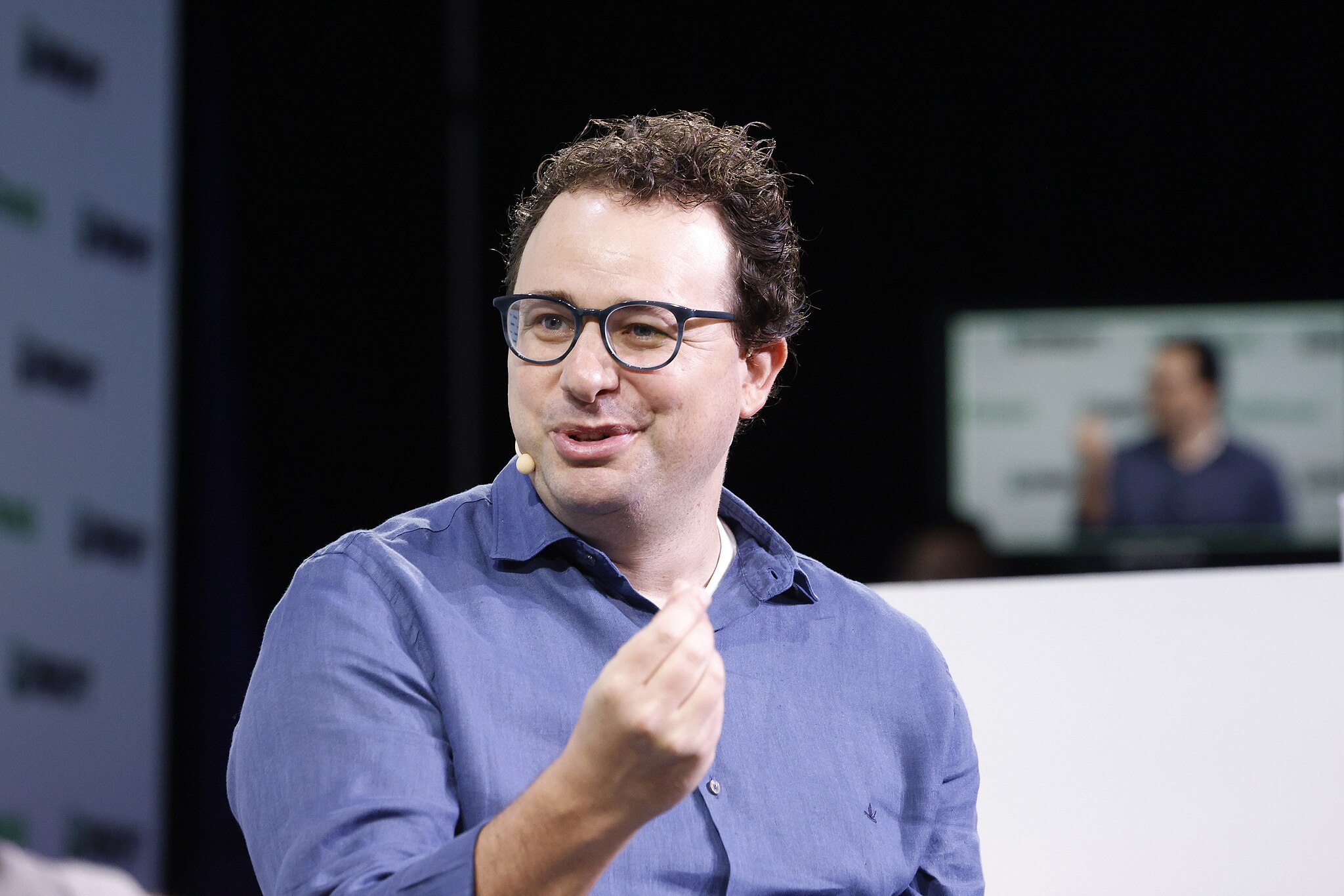
Dario Amodei, TechCrunch, CC BY 2.0, via Wikimedia Commons
The reasons for this refusal seemed fairly clear and reasonable, but Anthropic chose to set them out explicitly in an official report. The explanation was detailed and technical, though the core concern could be summarized in a simple question: who, in the future, will assume responsibility for a mistake in such sensitive fields?
In other words, to what extent could mass surveillance entrusted to an autonomous AI model avoid turning into an intentions-based trial reminiscent of Minority Report? What would prevent Claude, freed from corporate safeguards, from flagging not only infractions or crimes, but patterns of behavior interpreted as presumed intent—before any wrongdoing has actually occurred?
If civilian concerns are already significant, the military scenarios could be even more catastrophic. How would we react to three or four thousand malfunctioning drones autonomously selecting the wrong target? Or how could we defend ourselves from a robotic agent, in the style of RoboCop, incapable of accurately interpreting human gestures and intentions?
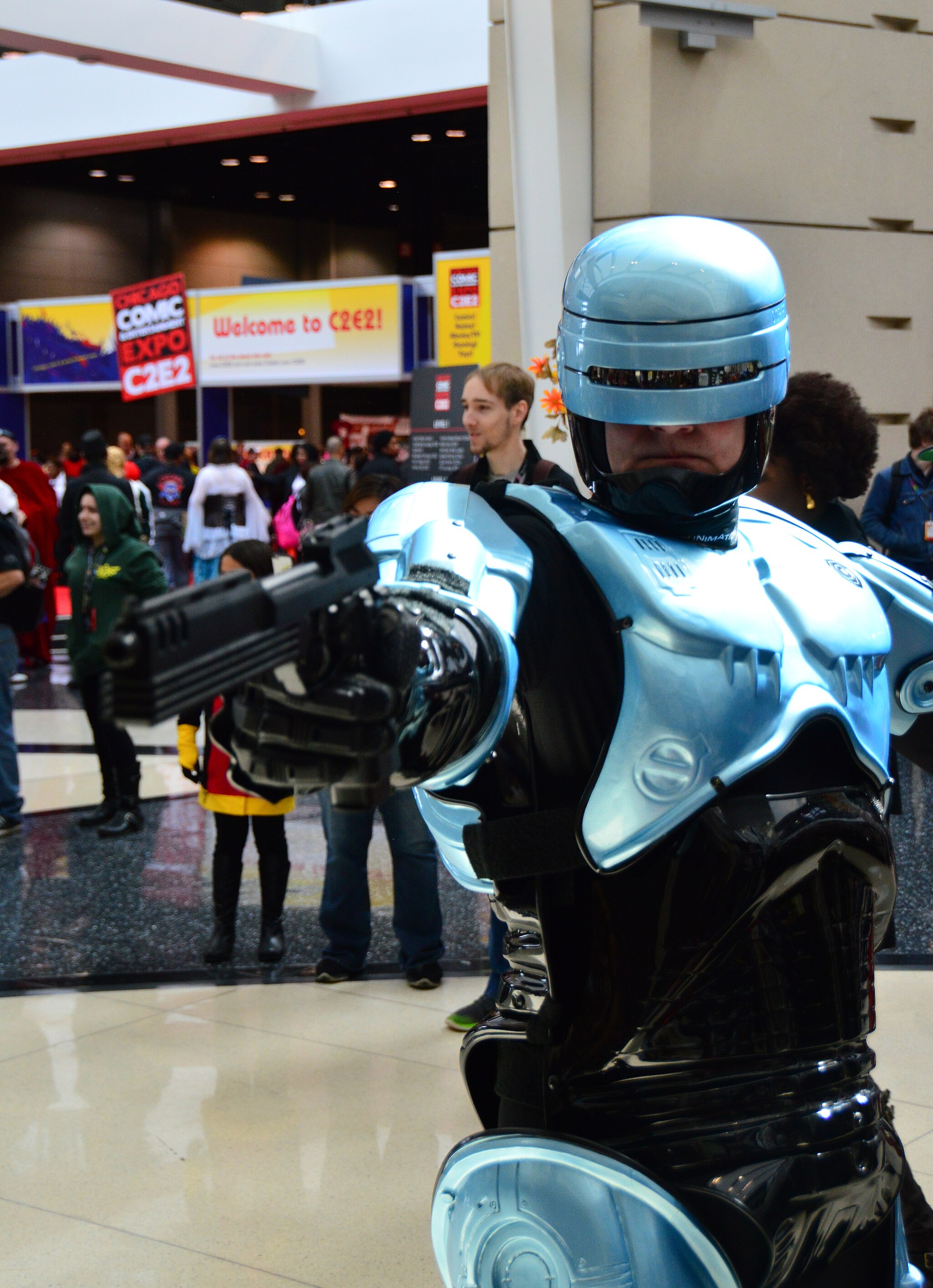
A RoboCop-style police officer, Ben Alexander from United States, CC BY-SA 2.0, via Wikimedia Commons
In short, the message seemed clear: we are not yet ready. But the White House reportedly did not take it well. Trump allegedly lashed out at Amodei and his company, canceling existing supply contracts with Anthropic. Not only that—he ordered the immediate suspension of any components linked to the company within government offices and reportedly went so far as to threaten reprisals against anyone who collaborates with them in the future.
It resembled an edict, a heavy-handed approach that many observers consider characteristic of the former president’s style, and one that has drawn comparisons to the handling of international tariff disputes in recent months.
Into this sudden vacuum stepped OpenAI (the company behind ChatGPT), which appears to have reached agreements with the government in very short order. Yet here lies the paradox: according to statements by Sam Altman, the company’s CEO, the contract signed with the Pentagon reportedly includes the same exceptions raised by Anthropic—no mass surveillance and no development of autonomous weapons.
The official documents are, understandably, classified. But then why would Trump have stirred up such controversy against Anthropic, only to finalize an agreement with a direct competitor under what appear to be similar conditions?
Someone is not telling the whole story. And if until now AI safety risks seemed mostly confined to dystopian science fiction scenarios, this episode creates the impression of a humanity perhaps, for the first time, feeling tangibly less secure—and a step closer to self-destruction.
I'm part of ITALYGAME Team
together with:
@girolamomarotta, @sardrt, @mikitaly, @mad-runner, @famigliacurione
 👉 VOTE FOR US AS WITNESS 👈
.jpg)
Upvoted! Thank you for supporting witness @jswit.
This post has been upvoted by @italygame witness curation trail
If you like our work and want to support us, please consider to approve our witness
Come and visit Italy Community