Can AI Tech Stop Crime Before It Happens?

Threats are everywhere. Terrorist attacks and shootings happen anywhere and at any time, and those are valid concerns for any space that attracts people. But how can we keep people safe from a threat we cannot predict? That's the question authorities are struggling with all over the world.
As terrifying as they are, shootings and terrorism are relatively rare occurrences, and not the only problem we should talk about. The more common issue for businesses, cities, campuses and individuals lies with the everyday crimes, theft, assault and vandalism that happens every day. In the United States alone, retailers lose nearly $50 billion a year to shoplifting and fraud .
But what if i said a technology already exists that can spot potential problems in real time, ranging from suspicious behavior to precursor activities or dry-runs before an event occurs?
Eyes in the sky
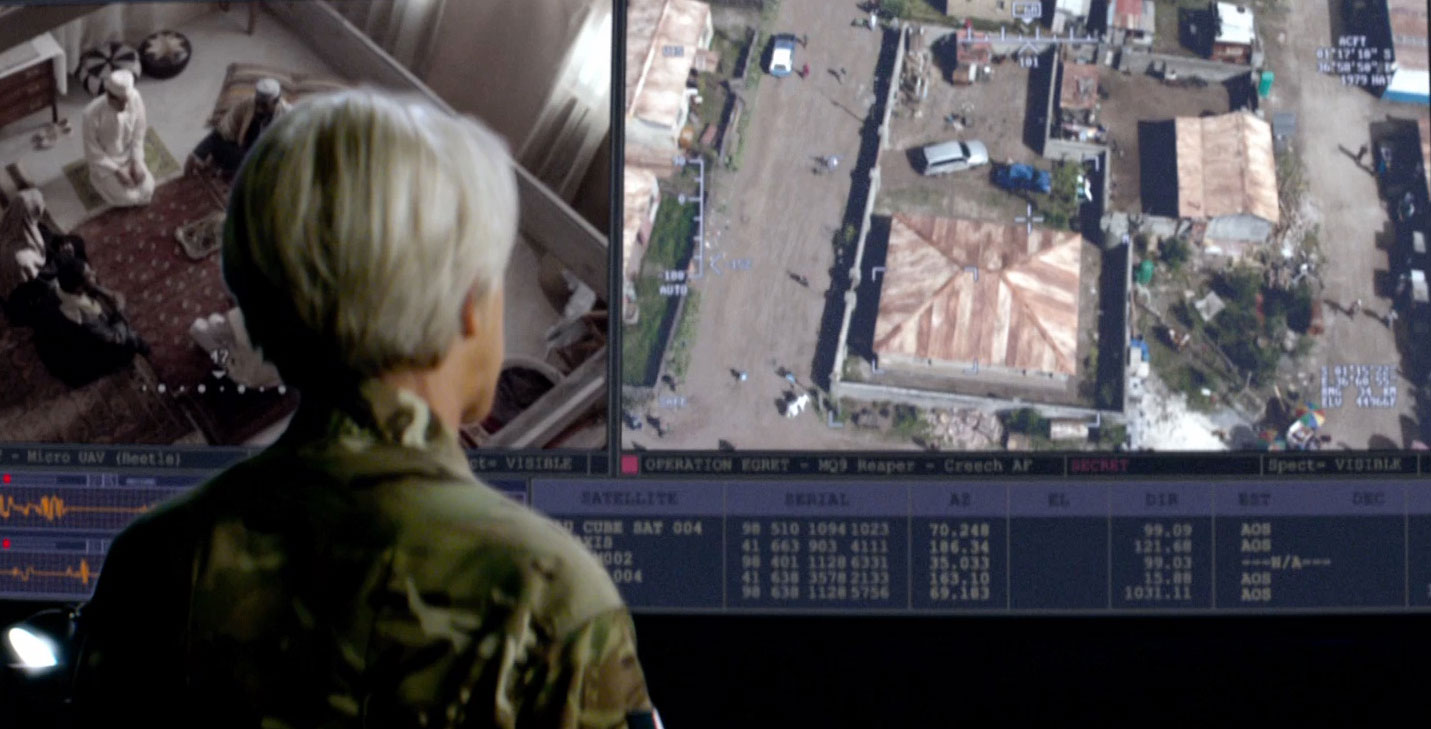
Imagine there were cameras trained on every inch of ground on a school campus or a shopping mall. Now, try to picture the number of security guards required to watch every screen, every minute of every day. It seems unrational. Yet, traditional security surveillance systems are even less practical.
Trying to learn more about effective ways of maintaining security, i discovered iCetana , which is the kind of exciting software that inspires sci-fi movies and TV shows. Using a network of cameras, iCetana analyzes patterns of motion to identify anomalies. This system learns as it works, identifying patterns in human activity, and could alert guards of unusual activity such as people or vehicles exhibiting behavior different from that of established norms.
Crowds at each event do behave differently, of course; but within any one crowd, there might be anomalous behavior. iCetana's AI learning component helps the software understand what is normal for this situation.
"Normal" behavior is not predefined by set parameters, either; that would be limited to the imagination of the people writing the rules. But instead, this AI software adds to its body of knowledge minute by minute and flags any behavior that doesn't fit the circumstances being scrutinized.
What might aberrant behavior comprise? It might be as subtle as a person moving irregularly in the middle of a crowd. This behavior would not be noticed for quite a while by human eyes, but a computer could spot it as it happened and alert security. Such system could also spot someone moving toward an unauthorized location, looking around nervously or even making an effort to hide from in-view cameras.
As human system operators rule out false positives among the footage, the system is adding to its own knowledge, learning to recognize ordinary things that seem out of the ordinary, like a mother chasing her toddler making a break for an ice cream cart, or teenagers throwing snowballs in the park. Increasingly, this learning minimizes red flags, leaving only events that really matter for operators to decide how to respond.
Is this an invasion of privacy?

As per detractors, this level of surveillance is an invasion of privacy. But Cameras already exist and in Europe, video system called CCTV records almost every inch of public space. This includes office buildings, banks, retailers, warehouses, hotels, police department, and individual homeowners all use video cameras. Video footage is regularly used to solve crimes, but its effectiveness in preventing crime remains unclear .
What's important here for entrepreneurs to know?
What's important is that this software offers
proactive insights. It can help get security on the spot while the crime is taking place . . . or even before it happens.
In Boston, after two bombs detonated at the 2013 Marathon, leading to three deaths and 264 injuries, life-changing CCTV footage helped police identify and track the Tsarnaev brothers. Hundreds of videos, thousands of photos and phone records were analyzed by hand. Without that surveillance, the brothers might have simply vanished -- and committed more horrendous acts.
But there are also many things about AI we should be aware of:
https://steemit.com/future/@mathsinnature/the-future-can-also-be-threatening
Clinging to the drawbacks wouldn't change the fact that we need AI in the future.