Powering the Future: The Evolution of Nuclear Energy
Nuclear energy remains one of the most debated topics in the global energy landscape. To understand its role in our net-zero future, we must first look back at the scientific breakthroughs that split the world—and the atom—apart.
The Past: From Discovery to Disillusionment The journey began in 1938 when physicists Otto Hahn and Fritz Strassmann discovered nuclear fission. While this science was initially harnessed for warfare, the post-WWII era saw a shift toward "Atoms for Peace."
In 1954, the USSR’s Obninsk plant became the first to provide electricity to a power grid, ushering in a "Golden Age." Throughout the 1960s and 70s, nuclear power was seen as the ultimate solution for cheap, limitless energy.
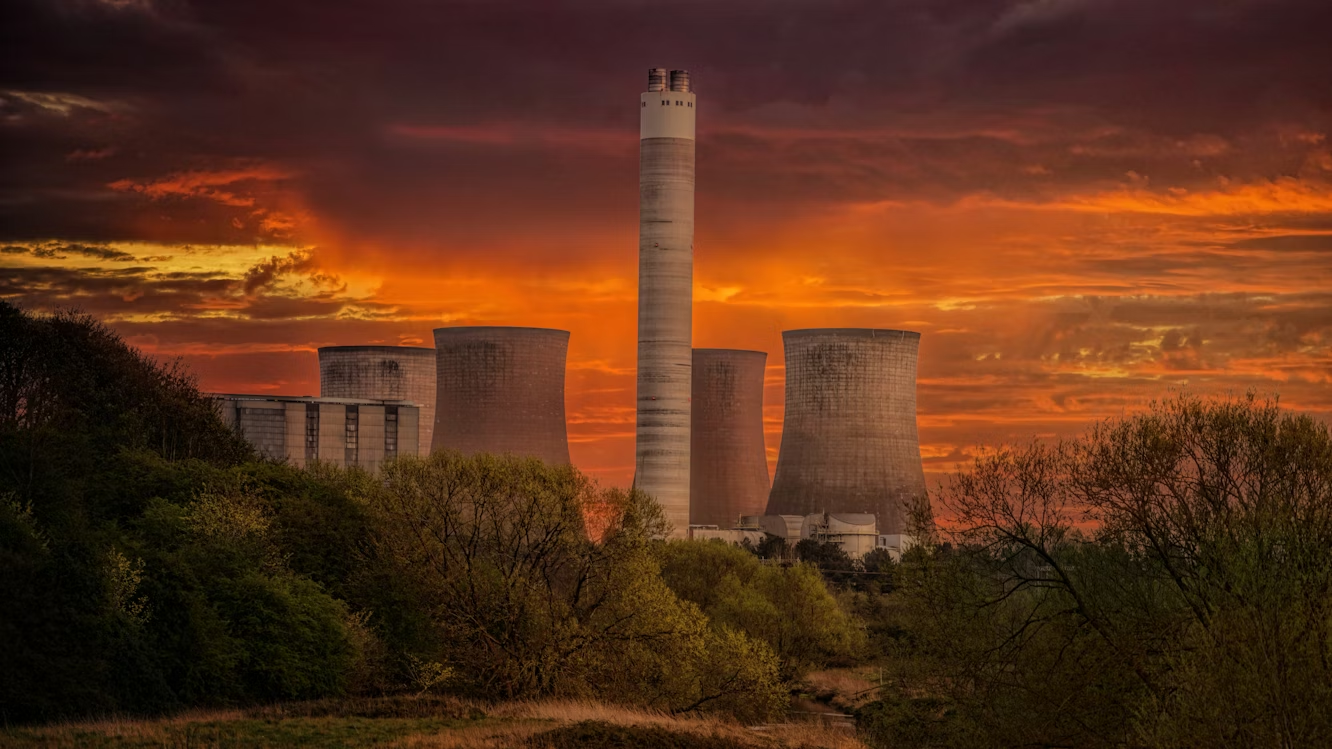
However, the tide turned following high-profile accidents at Three Mile Island (1979) and Chernobyl (1986). Public perception shifted from awe to anxiety, leading to a decades-long stagnation in new reactor construction, further compounded by the Fukushima disaster in 2011.
The Future: A Nuclear Renaissance Today, the narrative is shifting once again. As the world grapples with the urgent need to decarbonize, nuclear energy is being re-evaluated as a vital partner to renewables. Unlike wind or solar, nuclear provides a steady "baseload" of carbon-free power.
The future of the industry lies in two words: innovation and safety. We are moving away from the massive, expensive gigawatt-plants of the past toward Small Modular Reactors (SMRs). These factory-built units are cheaper, safer, and can be deployed in remote locations.
Furthermore, the "holy grail" of energy—nuclear fusion—is moving from science fiction to reality. By mimicking the sun’s power, fusion promises near-infinite energy with zero long-lived waste.
Conclusion Nuclear energy’s history is a story of triumph and caution. As we look ahead, it is clear that meeting global climate goals will require a diverse energy mix. By embracing next-generation technology, nuclear power may finally fulfill its promise as the clean, reliable backbone of a sustainable world.