Separating Fact from Fiction: Navigating Common Nutritional Myths
In the fast-paced world of dieting, misinformation spreads faster than a viral trend. With influencers and "quick-fix" gurus populating our feeds, it’s easy to feel overwhelmed by conflicting advice. To achieve sustainable health, we must separate common nutritional myths from evidence-based facts.
Myth 1: Carbs are the Enemy
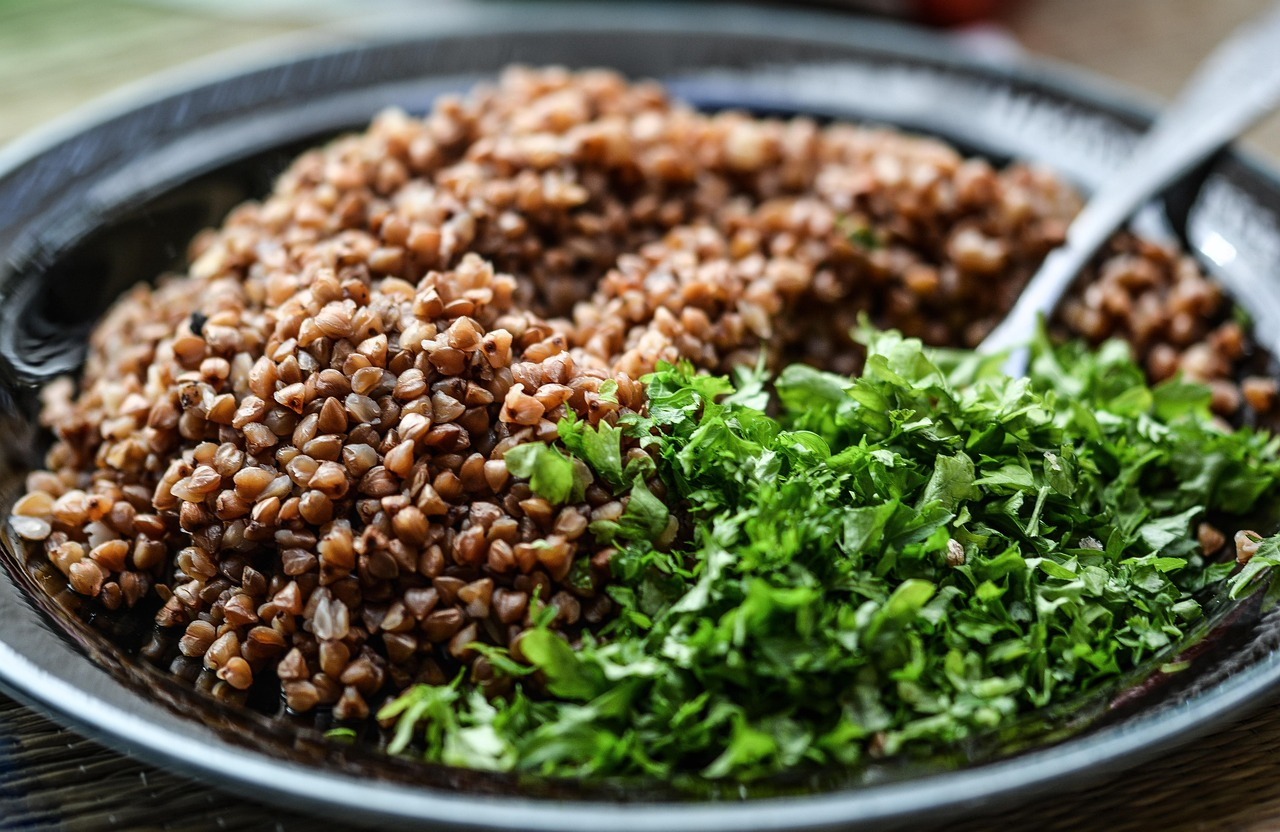
For years, carbohydrates have been demonized as the primary cause of weight gain. In reality, not all carbs are created equal. While processed sugars and refined flours should be limited, complex carbohydrates—like quinoa, oats, and legumes—are essential fuel sources. They provide fiber, which aids digestion and keeps you satiated, preventing overeating.
Myth 2: "Low-Fat" Means Healthy
The low-fat craze of the 90s left a lasting mark, but science has pivoted. When manufacturers remove fat from products, they often replace it with excess sugar and artificial additives to maintain flavor. Healthy fats, such as those found in avocados, nuts, and olive oil, are vital for brain function, hormone production, and nutrient absorption. Don’t fear fat; prioritize the right kind.
Myth 3: Skipping Meals Accelerates Weight Loss
Many people believe that skipping breakfast or dinner creates a "calorie deficit" that speeds up weight loss. However, erratic eating patterns can trigger metabolic slowdown and lead to intense cravings later in the day, often resulting in binging. Consistency is the cornerstone of metabolic health.
The Bottom Line: Focus on Balance
The most effective diet isn't a restrictive cycle of elimination—it’s a sustainable lifestyle. Instead of chasing trends, focus on whole foods, portion control, and consistency. If a "health hack" sounds too good to be true, it usually is.
Pro Tip: Consult a registered dietitian before making drastic changes to your regimen. Your body is unique, and personalized nutrition beats a one-size-fits-all myth every time. Eat mindfully, fuel your body, and ignore the noise.