The Silent Crisis: Addressing Ocean Pollution
Our oceans cover more than 70% of the Earth’s surface, acting as the planet’s life support system. They regulate our climate, provide food for billions, and produce over half of the world's oxygen. Yet, we are treating these vital waters as a global dumping ground. Ocean pollution has reached a critical tipping point, demanding urgent attention.
The Causes
The primary culprit behind marine pollution is human activity. Plastic waste remains the most visible threat; millions of tons of plastic—ranging from discarded fishing nets to single-use water bottles—enter the ocean annually. These plastics break down into microplastics, which infiltrate every level of the food chain.
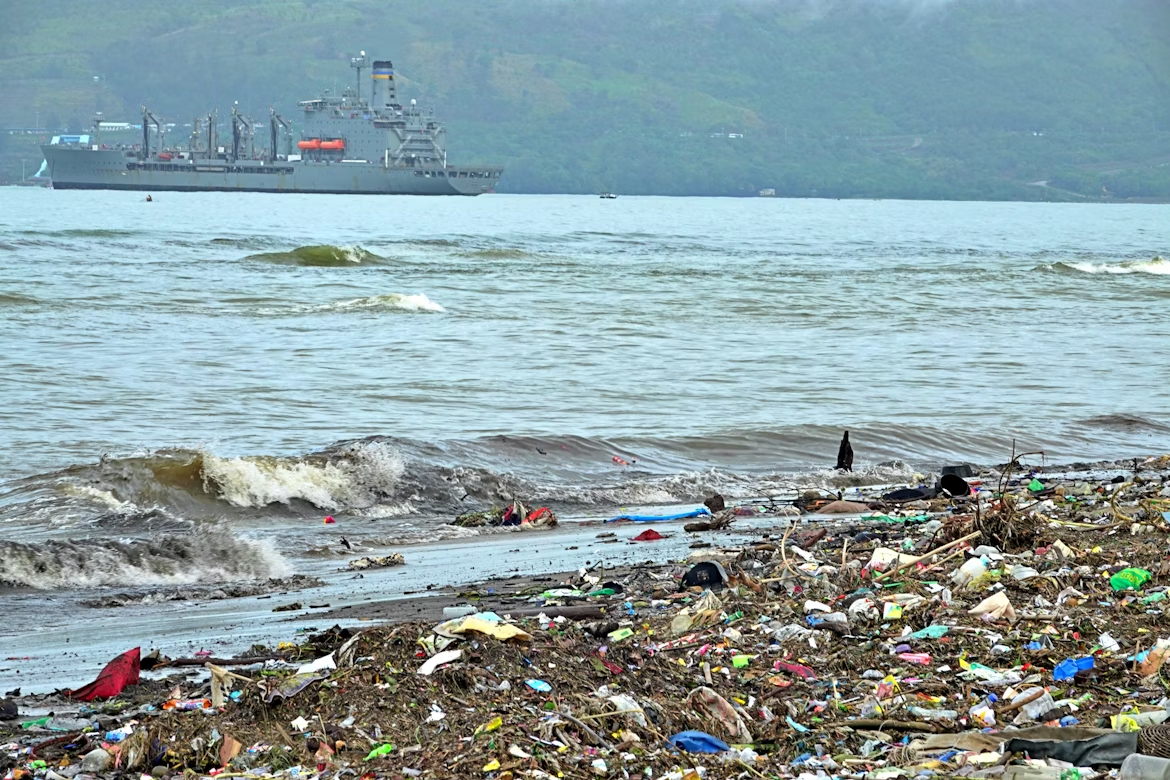
Beyond plastic, industrial runoff and agricultural waste are major invisible killers. Fertilizers containing nitrogen and phosphorus flow into the sea, creating "dead zones"—areas of low oxygen where marine life cannot survive. Additionally, oil spills and the accumulation of toxic chemicals from shipping and manufacturing continue to disrupt delicate coastal ecosystems.
The Effects
The consequences are devastating. Marine animals, from sea turtles to whales, often mistake plastic for food or become lethally entangled in debris. Furthermore, chemicals and microplastics accumulate in the tissues of fish, eventually making their way onto our own dinner plates, posing risks to human health. On a broader scale, pollution threatens coral reefs and seagrass beds, which are essential for carbon sequestration and protecting our shorelines from storms.
The Solutions
Turning the tide requires systemic change. On an individual level, reducing single-use plastics and supporting circular economies is a vital first step. On a larger scale, we must demand stricter industrial regulations and invest in advanced waste management infrastructure to prevent debris from reaching the water in the first place.
The ocean is resilient, but it is not invincible. By curbing our consumption and holding corporations accountable, we can restore the health of our blue planet for generations to come. The time to act is now.