Pass Box: The Unsung Hero of Contamination Control
Introduction: Why Material Transfer Threatens Cleanroom Integrity
Every cleanroom operator knows that people and materials introduce the greatest contamination risks. While gowning protocols address human-borne particles, material transfer between classified zones remains a critical weak point. Opening a cleanroom door—even briefly—disrupts pressure differentials and invites airborne contaminants inside.
This is exactly where a pass box earns its place as an essential piece of cleanroom equipment. Despite its simple appearance, this device plays a frontline role in maintaining ISO-classified environments. In this guide, we explore what a pass box does, how it works, and why every cleanroom layout should include one.
What Is a Pass Box and How Does It Work?
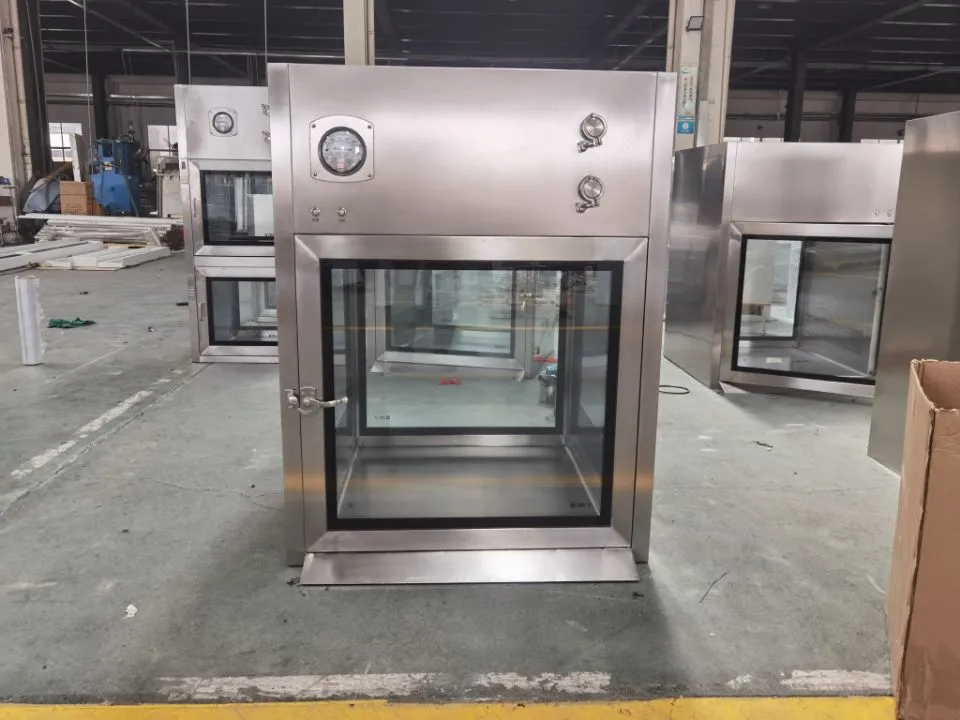
A pass box is a transfer chamber installed between two rooms of different cleanliness classifications. Operators use it to move materials, tools, or components from one zone to another without opening connecting doors simultaneously.
The core function is straightforward: one operator opens the door on their side, places the item inside the chamber, and closes the door. The operator on the other side then retrieves the item. Mechanical or electronic interlocking doors ensure both sides never open at the same time, preserving pressure gradients and preventing cross-contamination.
How a Pass Box Prevents Cross-Contamination
During material transfer, direct room-to-room contact creates a contamination highway. A pass box clean room installation eliminates this pathway by acting as a buffer zone. The interlocking mechanism guarantees air separation between adjacent spaces. Some models include UV germicidal lamps that sterilize the chamber interior between transfers, adding a biological decontamination layer.
By isolating each transfer event, the pass box drastically reduces particle migration and microbial ingress—two factors that cause costly batch failures in regulated manufacturing.
Key Components and Construction
A well-engineered pass box design typically features these components:
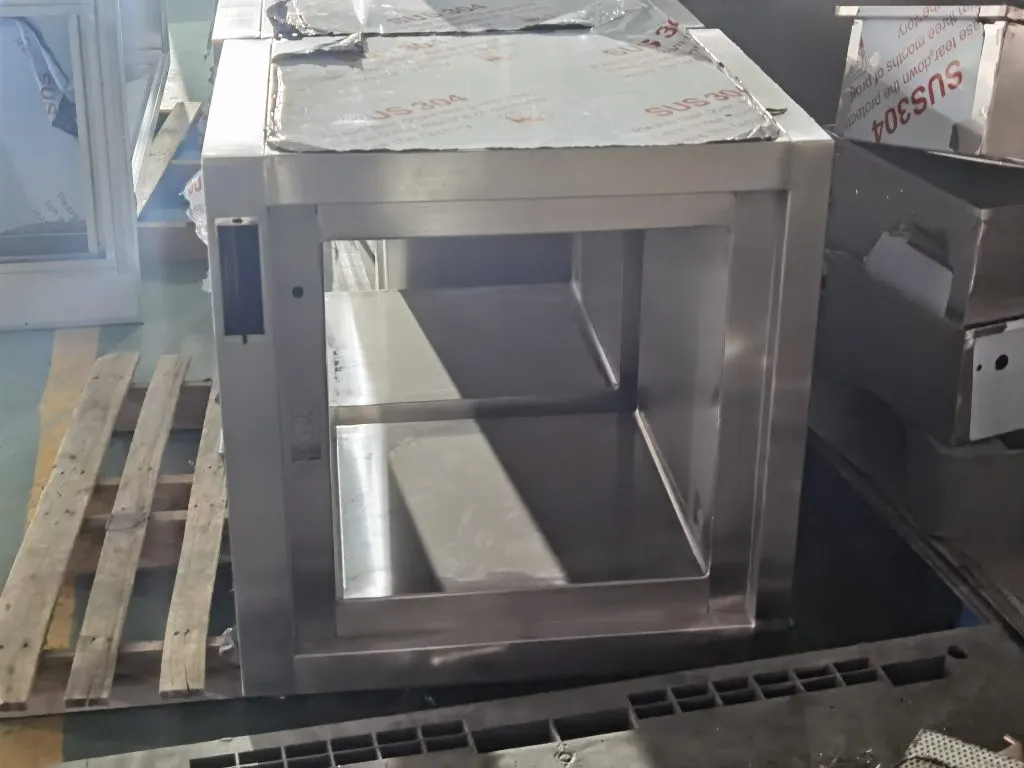
Stainless steel body (SS 304 or SS 316):Resists corrosion, withstands repeated chemical cleaning, and minimizes particle shedding.
Interlocking doors:Mechanical or electromagnetic locks prevent simultaneous opening.
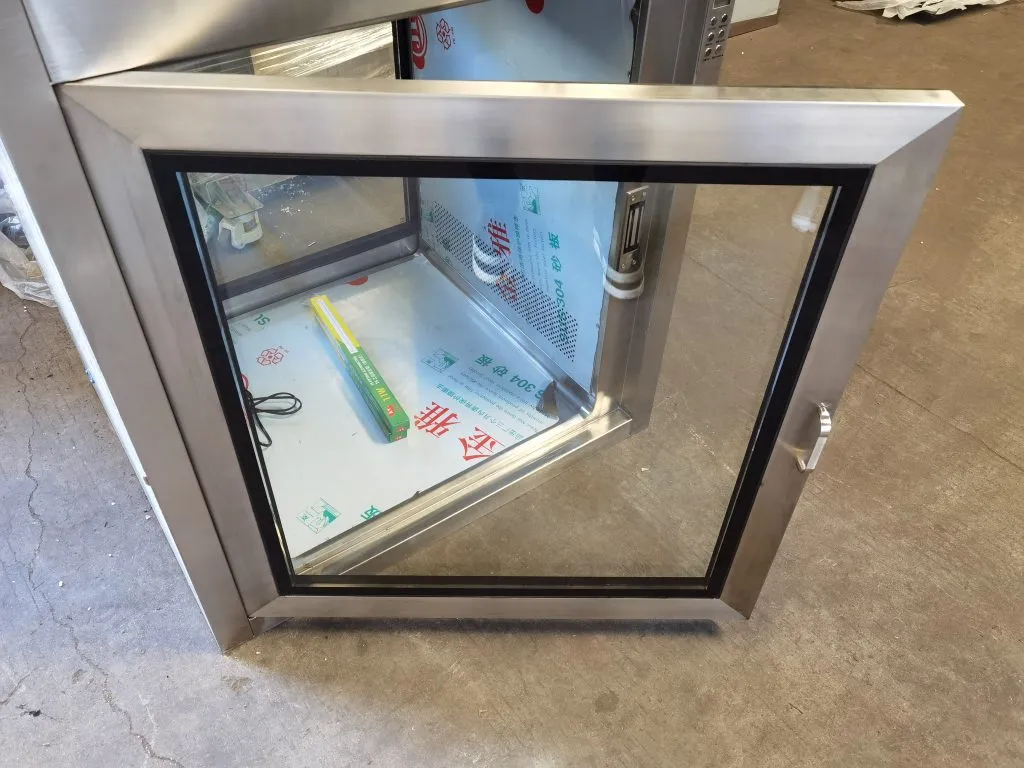
Tempered glass viewing window:Allows operators to confirm item placement without opening the door.
LED indicator lights or alarms:Signal door status in real time.
Optional HEPA filter module:Converts a basic unit into a dynamic model with active air filtration.
High-quality construction materials and tight seam welding ensure the chamber meets GMP and ISO 14644 standards.
Dynamic Pass Box
Static Pass Box vs. Dynamic Pass Box: A Quick Comparison
Choosing between a static pass box and a dynamic pass box depends on your cleanliness requirements and budget.
Feature
Static Pass Box
Dynamic Pass Box
Air filtration
None
Built-in HEPA/ULPA fan-filter unit
Particle removal
Relies on interlocking doors only
Actively flushes particles during transfer
Cost
Lower
Higher
Best for
ISO 7–8 environments
ISO 5–6 or sterile zones
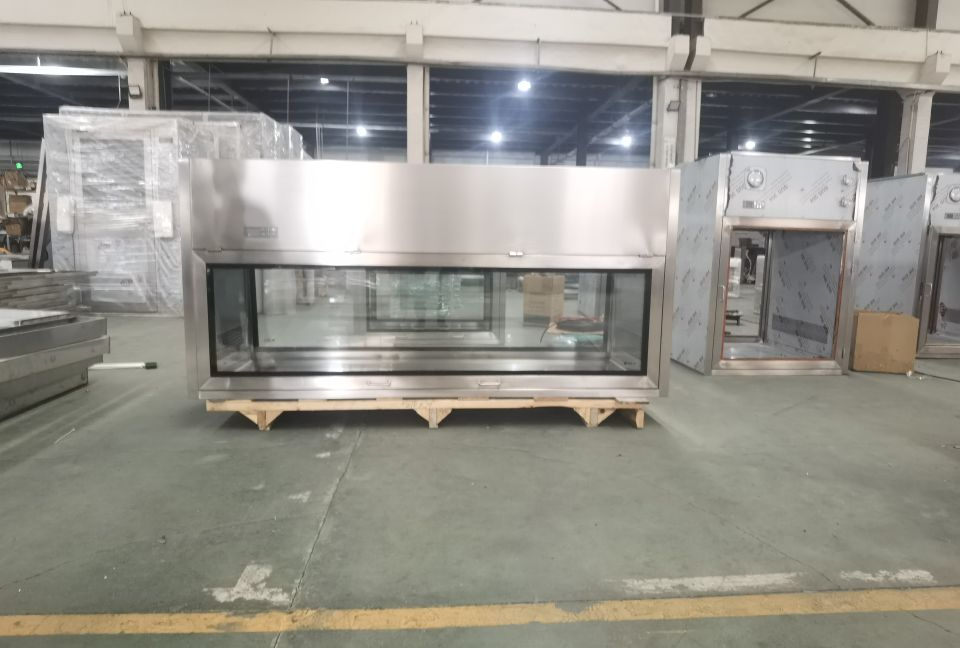
A static pass box suits facilities where basic isolation between zones is sufficient. Dynamic models serve pharmaceutical sterile filling lines, semiconductor fabs, and other operations demanding the highest particle control.
Industries That Rely on Pass Boxes
Pharmaceutical & biotech:GMP guidelines require controlled material transfer in drug manufacturing and compounding areas.
Semiconductor fabrication:Even nanoscale particles can destroy wafer yields, making pass boxes non-negotiable.
Food processing:HACCP-compliant facilities use pass boxes to separate raw ingredient zones from finished product areas.
Hospital & laboratory settings:BSL-rated labs transfer samples safely through pass boxes to contain biohazards.
Installation Best Practices and Positioning
Proper pass box design integration starts during the cleanroom planning phase. Follow these guidelines:
Install at wall junctionsbetween rooms of different ISO classes.
Match the pass box heightto ergonomic working levels—typically 800–900 mm from the floor.
Position units away from high-traffic doorwaysto avoid turbulence near the transfer point.
Validate interlocking functionduring commissioning and include it in routine maintenance schedules.
Train all operatorson correct transfer procedures to prevent door-override attempts.
Dynamic Pass Box
Conclusion: Small Investment, Massive Contamination Risk Reduction
A pass box may look like a simple stainless steel cabinet, but it serves as a gatekeeper between clean and less-clean environments. Whether you choose a static pass box for general use or a dynamic model for critical zones, proper selection and installation dramatically lower contamination events, protect product quality, and support regulatory compliance.
When designing or upgrading your pass box clean room layout, treat this humble device as a strategic investment—not an afterthought. The cost of one pass box pales in comparison to the cost of a single contamination incident.