Is the Pen Mightier Than the Sword Today?
For centuries, the adage "the pen is mightier than the sword" has been a rallying cry for intellectuals, writers, and revolutionaries. Coined by Edward Bulwer-Lytton in 1839, the phrase suggests that the written word—ideas, diplomacy, and media—ultimately holds more lasting power than physical violence. But in an era defined by cyber warfare, military drones, and viral algorithms, does this ancient proverb still hold true?
At first glance, it’s easy to argue that the sword has the upper hand. Physical force yields immediate, undeniable results. A missile strike ends a debate instantly; military might redraws global borders.
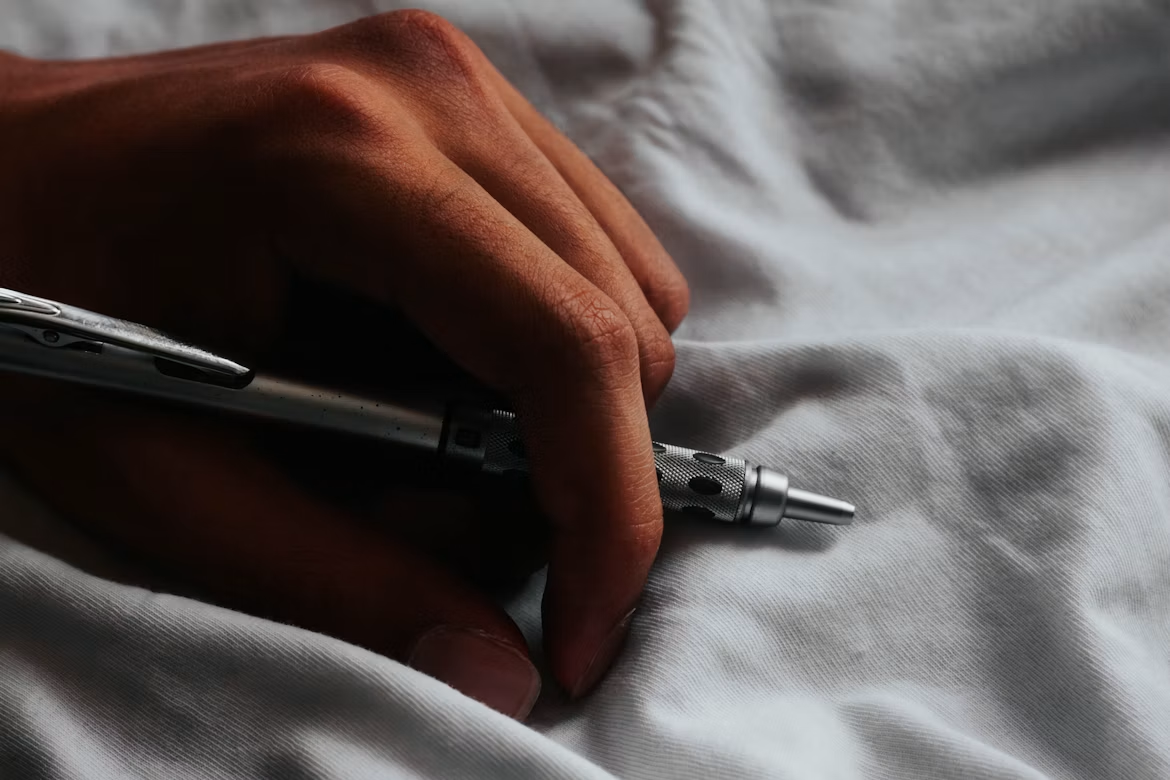
However, a closer look at modern society reveals that the pen has merely evolved. Today, the "pen" is a smartphone, a keyboard, and a global internet connection.
Consider the power of digital communication. A single investigative report can topple governments, expose corporate corruption, and spark global movements like #MeToo. Whistleblowers can dismantle massive operations not with weapons, but with leaked documents. Furthermore, authoritarian regimes don't just fear opposing armies; they fear journalists, bloggers, and encryption technology because they threaten the narrative—the very foundation of control.
While the sword can conquer territory, it cannot win hearts and minds. Military victories are often fleeting if the underlying ideology isn’t addressed. Conversely, ideas spread through writing can outlive empires. The U.S. Constitution or the Universal Declaration of Human Rights wield influence that no physical weapon could ever match.
In conclusion, the pen is still mightier than the sword, but its battlefield has changed. In the digital age, words travel faster and reach further than ever before. While physical force demands compliance, the written word commands true change—proving that ideas remain the most dangerous and powerful force on Earth.