Bachelor’s Button (Centaurea cyanus): A Cheerful Classic Worth Growing
If you’ve ever walked through a summer meadow, a field of bright blue, purple, or pink speckles is hard to miss. That splash of color is most likely the Bachelor’s Button, also known as Centaurea cyanus or simply “cornflower.”
Though humble in origin, this wild‑flower legend has woven itself into gardens, fashion, folklore, and even the kitchen. Let’s dive into what makes this little bloom a perennial favorite for gardeners and creators alike.
A Brief History & Symbolism
Native to the steppes of Europe and western Asia, the bachelor’s button was originally a weed of the wheat fields—hence the name “cornflower.” In the 16th‑century English court it became a symbol of faithful love and was often given as a token between secret admirers.
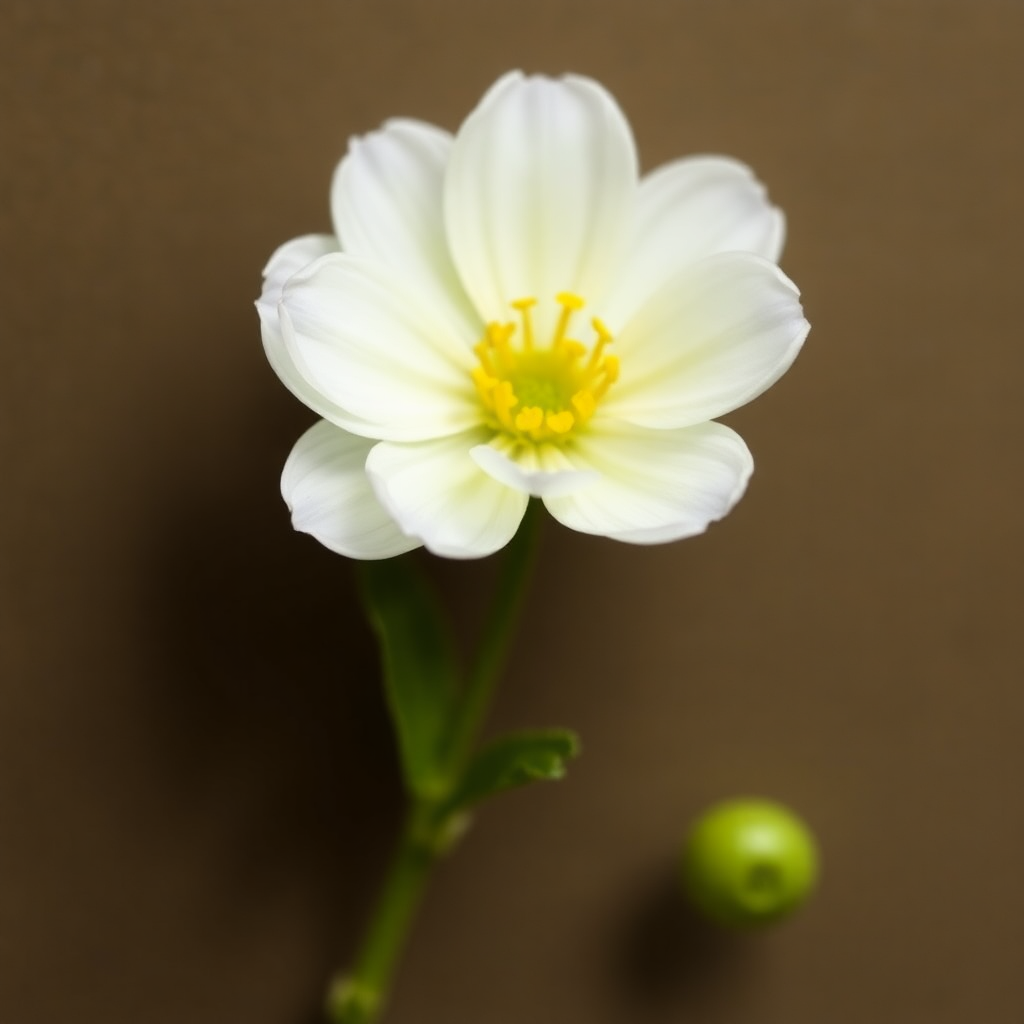
In France, it earned the moniker bleuet and later became the national emblem of the French army during World War I, its sturdy blue hue representing perseverance. Today, the flower still stands for gratitude, delicacy and, fittingly, the carefree spirit of bachelorhood—a reminder that beauty can thrive without a "partner."
Growing Basics
| Requirement | Details |
|---|---|
| Sunlight | Full sun (at least 6 h/day). Tolerates light shade but colors fade. |
| Soil | Well‑draining, moderately fertile. A loamy mix with a touch of sand works best. |
| Planting | Direct‑seed after the last frost or start indoors 4–6 weeks earlier. Sow ¼‑½ in depth, thin to 8‑12 in spacing. |
| Water | Keep soil evenly moist until seedlings establish; mature plants are drought‑tolerant. |
| Height | 12‑24 in for most varieties; dwarf “Miniature” types stay under 6 in. |
| Bloom Time | Late spring to early autumn, especially after a light deadhead. |
Because the plant self‑seeds readily, many gardeners treat it as a living mulch: let a few plants go to seed, and you’ll have a continuous carpet of color year after year.
Design Ideas
Meadow‑Style Borders – Mix bachelor’s button with other annuals such as poppies, nigella, and love‑in‑a‑mist for a naturalistic look.
Container Gardens – The compact ‘Miniature’ cultivar thrives in pots, providing vertical interest on balconies.
Cut‑Flower Arrangements – Their sturdy stems and long‑lasting blooms make them perfect for rustic bouquets, dried‑flower crafts, or even wedding corsages.
Pollinator Gardens – Bees, butterflies, and hoverflies love the nectar‑rich flowers, boosting garden biodiversity.
Culinary & Craft Uses
Edible enthusiasts will be pleased to learn that fresh petals can be tossed into salads, used as garnish, or brewed into a bright blue tea. The same petals dry beautifully for potpourri or fabric dye, yielding shades from soft lavender to deep indigo depending on mordant and pH.
A Quick Care Checklist
Deadhead regularly to encourage a second bloom wave.
Avoid overly rich soil; excess nitrogen yields leafy growth at the expense of flowers.
Watch for fungal issues in humid climates—good air circulation is key.
Harvest seeds in late summer; store them in a cool, dry place for next season’s sowing.
Closing Thoughts
Bachelor’s button proves that a plant doesn’t need grandiosity to make a lasting impression. Its easy care, vibrant palette, and rich cultural heritage make it an excellent choice for both novice gardeners and seasoned horticulturists.
Plant a few seeds this spring, and you’ll soon have a living reminder that even the simplest flowers can carry stories of love, resilience, and celebration—just waiting to bloom in your own backyard.