The Fascinating World of Euphorbia Flowers
Euphorbias are a diverse and captivating group of plants, beloved for their striking forms and resilience. With over 2,000 species, this genus thrives in nearly every corner of the globe, from arid deserts to lush forests. Known for their unique beauty and adaptability, Euphorbias have become staples in gardens, homes, and even holiday traditions.
Botanical Wonders
What sets Euphorbias apart is their intriguing structure. True Euphorbia “flowers” are actually clusters of tiny, inconspicuous blooms encased in colorful, leaf-like bracts. These showy bracts—often mistaken for petals—come in vibrant reds, greens, yellows, and purples.
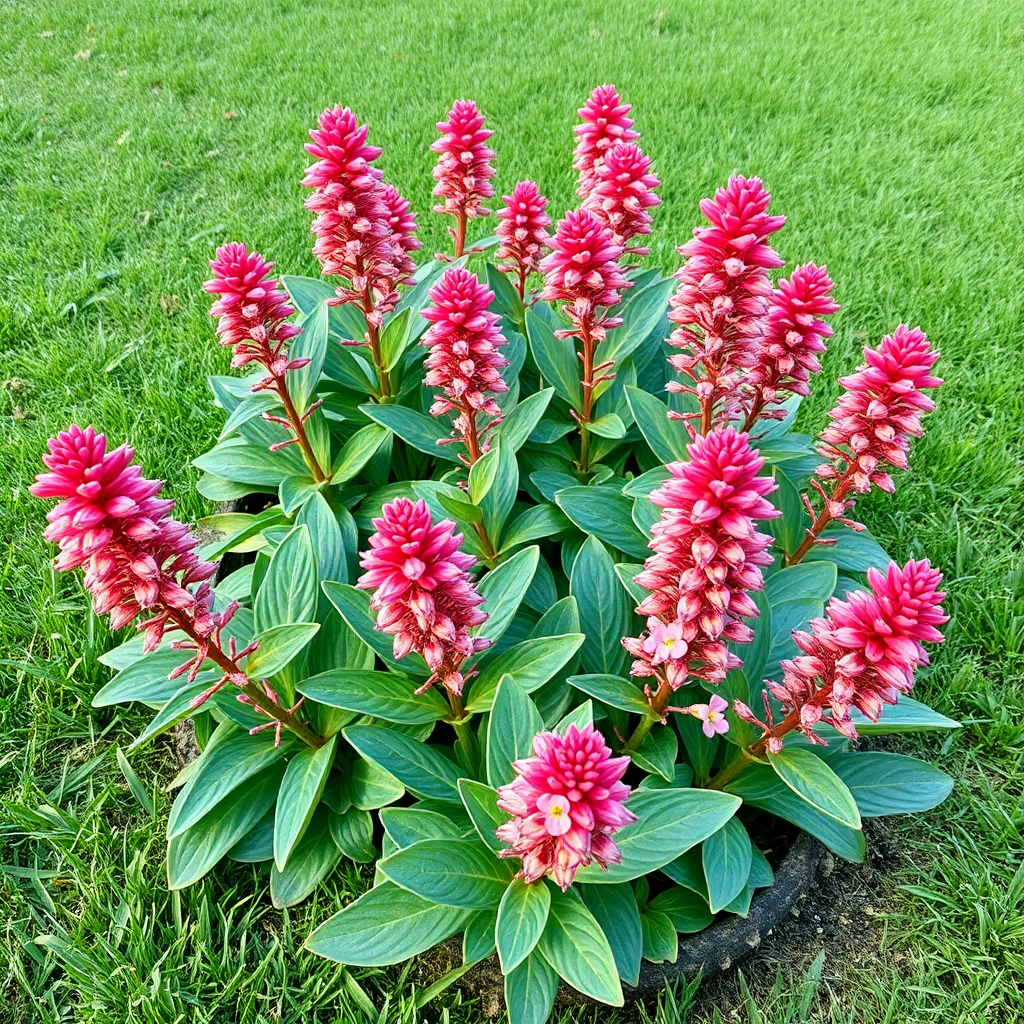
For example, the iconic Euphorbia pulcherrima (poinsettia) displays dazzling red bracts that symbolize Christmas cheer. Meanwhile, the Euphorbia trigona (African milk tree) showcases bold, triangular stems with spiky edges.
A defining feature is the plant’s milky sap, a natural defense mechanism. This latex can irritate skin or mucous membranes, so gardeners are advised to wear gloves when pruning.
Caring for Euphorbias
These plants are prized for their low-maintenance nature. Most varieties prefer bright light and well-draining soil, making them ideal for sunny windowsills or dry gardens.
Overwatering is a common mistake; Euphorbias thrive in arid conditions and store water efficiently. Regular pruning encourages compact growth, especially in shrub-like species like E. myrsinites.
Cultural and Practical Significance
Beyond aesthetics, Euphorbias hold cultural value. Poinsettias, for instance, are central to Mexican celebrations, symbolizing purity and hope. Some species have historically been used in traditional medicine, though their toxicity requires caution.
In landscaping, they’re often planted as sculptural focal points or drought-resistant ground covers.
However, certain species can become invasive in non-native habitats, outcompeting local flora. Gardeners should research local regulations before planting.
A Versatile Addition
Whether you’re drawn to their architectural forms or seasonal charm, Euphorbias offer something for everyone. From the festive poinsettia to the architectural Euphorbia obesa (African marble), these plants bridge nature’s artistry and human creativity.
In a world where plants often steal the spotlight, Euphorbias stand out—both literally and figuratively—inviting admiration for their resilience and unique beauty. Embrace their diversity, care for them wisely, and let their vibrant forms brighten your space. 🌿
Upvoted! Thank you for supporting witness @jswit.