The Enchanting Bergamot Flower: A Tiny Blossom with a Mighty Reputation
When you think of bergamot, the first thing that likely pops into your mind is the bright, citrusy note that lifts the aroma of a classic Earl Grey tea or adds a sparkling twist to a fresh‑scented perfume. Yet, behind that unmistakable scent lies a modest, star‑shaped flower that rarely steals the spotlight: the bergamot flower (Citrus × bergamia).
In this post, we’ll dig beneath the fragrant façade to explore why this unassuming blossom deserves a deeper look—and perhaps a spot on your garden list.
A Snapshot of the Plant
Bergamot belongs to the Rutaceae family, the same botanical clan that houses oranges, lemons, and grapefruits. Native to the Mediterranean coastline of Southern Italy—particularly the region of Calabria—its wild ancestors thrive on rocky, sun‑baked slopes where the soil is thin and the breezes salty. The tree itself is modest in size, usually reaching 3–5 m (10–16 ft) tall, with glossy, dark green leaves that release a citrusy oil when brushed.
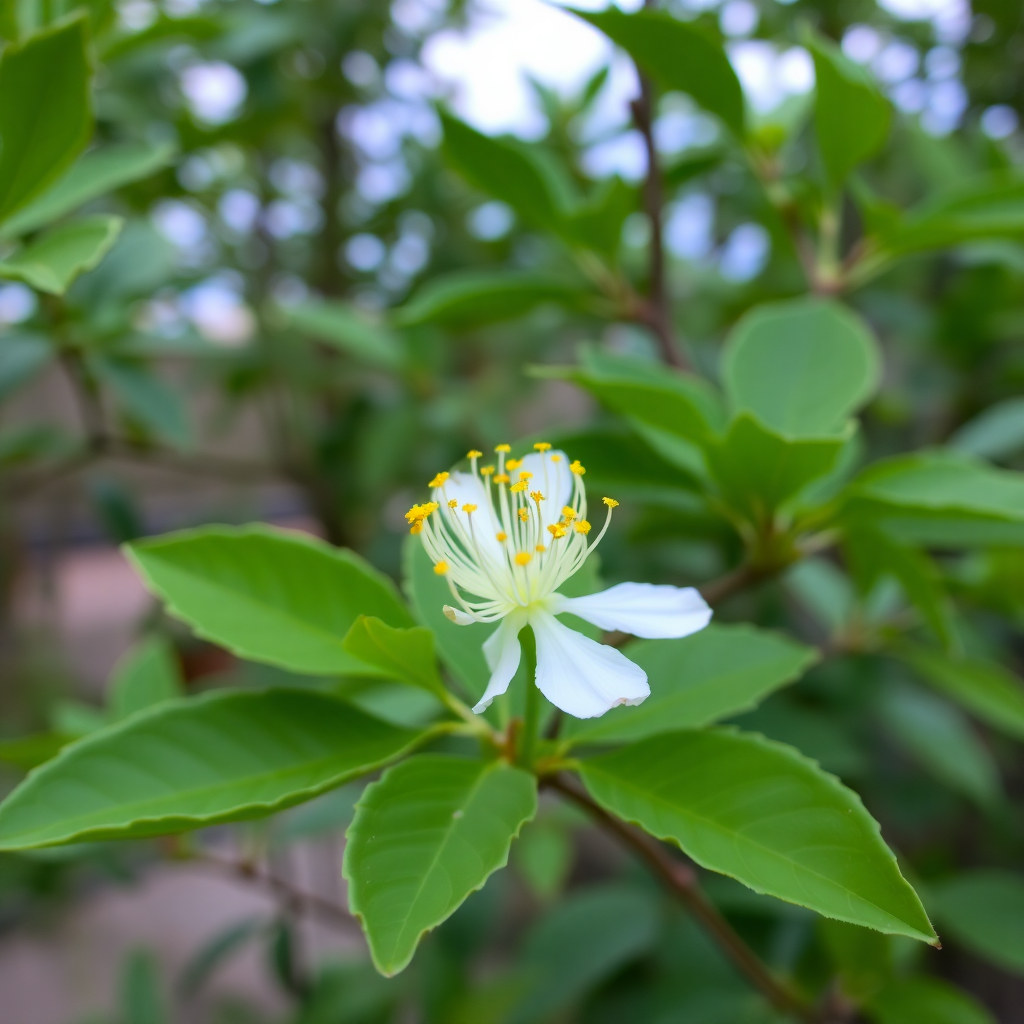
The true star, however, is the flower: small, white‑cream petals with a delicate pink blush at the base. Each blossom measures just 2–3 cm across, but it clusters in loose panicles that can blanket a branch in late spring to early summer. The scent is faint compared to the robust oil harvested from the fruit’s peel, yet it carries a subtle, honey‑sweet nuance that attracts pollinators—especially honeybees and certain moths.
Why the Flower Matters
Pollination Powerhouse
While bergamot is frequently propagated asexually (by grafting or cuttings), the flower plays a critical ecological role. Its nectar provides an early‑season food source for bees emerging from winter dormancy, supporting local pollinator health. In the broader Mediterranean ecosystem, bergamot blossoms are part of a mosaic that sustains biodiversity.
A Source of Unique Phytochemicals
Researchers have identified several flavonoids and essential oil components in the petals, including linalool and nerol. These compounds exhibit mild antioxidant and anti‑inflamatory properties, prompting interest in their potential use in natural cosmetics and skin‑care formulations.
Aesthetic Appeal for Gardens
Gardeners adore the bergamot flower for its understated elegance. Paired with rosemary, lavender, or dwarf citrus trees, it creates a Mediterranean‑themed border that thrives in full sun and well‑drained soil. Because the plant tolerates mild frost and drought, it’s an excellent choice for low‑maintenance, climate‑smart landscapes.
Harvesting the Essence
Most bergamot oil on the market is extracted from the fruit’s rind through cold‑press or steam distillation. However, a small‑scale niche industry now experiments with “flower‑distillates.” By gently steam‑distilling freshly picked blossoms, producers capture a lighter, more floral fraction of the bergamot aroma—perfect for high‑end perfumery or luxury aromatherapy blends.
Growing Your Own Bergamot Flower
Site Selection – Choose a sunny spot with at least 6 hours of direct light.
Soil – Well‑draining, slightly alkaline (pH 7–8) soil works best. Add sand or perlite if the ground is heavy.
Planting – Space seedlings 1.5 m apart to allow air flow. Mulch to retain moisture and suppress weeds.
Watering – Keep the soil consistently moist during the first year; after establishment, water once a week during dry spells.
Pruning – Lightly trim after flowering to shape the tree and encourage a second, smaller bloom later in the season.
Takeaway
The bergamot flower may not dominate the perfume industry like its fruit, but its contributions to pollinator health, garden beauty, and niche aromatics are undeniable. Next time you sip a cup of Earl Grey or spritz a bergamot‑infused cologne, pause and appreciate the delicate white blossoms that set the stage for that iconic scent.
If you have the chance, plant a bergamot tree in your garden—watch the tiny flowers unfurl, and let their quiet charm remind you that even the smallest players can have a big impact.