Gardenia: The White‑Framed Perfume of the Garden
When you step into a garden that bursts with fragrance, chances are a gardenia is whispering its sweet secret. With its glossy, dark‑green leaves and creamy, cup‑shaped blossoms, the gardenia is not only a visual delight but also one of the most intoxicating scented flowers around the world. Let’s explore what makes this evergreen shrub a beloved star in gardens, bouquets, and even traditional medicine.
A Brief Botanical Portrait
Gardenias belong to the Rubiaceae family, the same botanical clan as coffee and madder. The most common species for ornamental use is Gardenia jasminoides, native to the subtropical forests of China, Japan, and Taiwan.
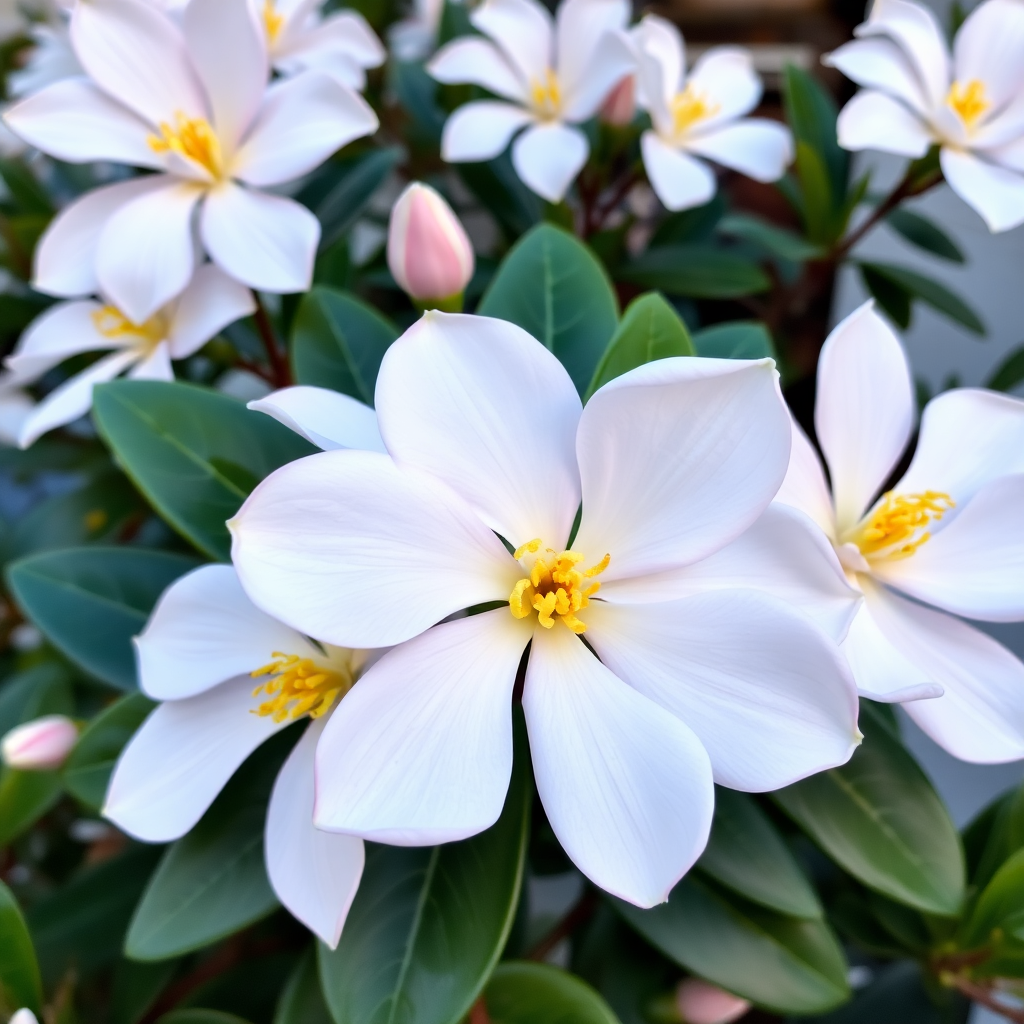
Growing as a shrub or small tree, it reaches 4–6 feet tall in the average garden, though some varieties can stretch to 12 feet in warmer climates. Its glossy leaves stay dark year‑round, providing a perfect backdrop for the luminous white blooms that appear from late spring to early fall.
The Scent That Sells Itself
What truly sets gardenias apart is their fragrance. The perfume is a complex blend of sweet, creamy, and slightly citrusy notes, often described as a “white floral” archetype in perfumery. Major fragrance houses—Chanel, Dior, and Tom Ford, to name a few—harvest gardenia essential oil (or synthesize its key molecules, such as methyl benzoate and indole) to create iconic scents.
The allure is so powerful that a single gardenia can dominate the olfactory landscape of a garden, drawing pollinators like moths and hummingbirds while delighting anyone within a few meters.
Growing Tips for a Thriving Plant
Light: Gardenias love bright, indirect sunlight. In hot regions, a few hours of filtered afternoon shade prevent leaf scorch.
Soil: They demand well‑draining, acidic soil (pH 5.0‑5.5). Incorporate peat moss, pine bark, or composted pine needles to keep the medium both airy and acidic.
Water: Consistent moisture is key—keep the root zone evenly damp but never soggy. A mulched base helps retain humidity and stabilizes temperature swings.
Humidity: Unlike many garden staples, gardenias thrive in high humidity. Mist the foliage daily or place the pot on a pebble tray filled with water.
Fertilizer: Feed with a balanced, acid‑loving fertilizer (e.g., 10‑10‑10 with iron) every 4–6 weeks during the growing season.
Patience is essential; gardenias can be finicky, but the reward—a cascade of scented white blossoms—is worth the effort.
Symbolism & Cultural Roots
In the language of flowers, gardenias represent purity, secret love, and refined elegance. In the Southern United States, they’re often woven into wedding bouquets, while in Asia they appear in traditional medicine for anti‑inflammatory and skin‑soothing properties. Their timeless beauty also lands them in poetry and literature, where they stand as metaphors for unattainable beauty and delicate grace.
Final Thought
Whether you’re a seasoned horticulturist looking to add a fragrant focal point or a beginner eager for a rewarding challenge, gardenias bring both visual charm and aromatic luxury to any space. With the right soil, a splash of humidity, and a little patience, you’ll soon hear the garden’s most fragrant whisper—“Welcome home, gardenia.”