The Cheerful Arrival of Spring: Celebrating the Forsythia Flower
When winter’s chill begins to fade and the days grow longer, one of the first signs of spring’s arrival is the vibrant yellow burst of forsythia flowers. These bright, sunshine-colored blooms appear before the leaves, blanketing shrubs in a stunning display of gold. With their bold color and early bloom time, forsythias are nature’s way of reminding us that warmer days are just around the corner.
Forsythia is a deciduous shrub belonging to the olive family, Oleaceae. Named after William Forsyth, a Scottish botanist, it’s native to East Asia but has become a beloved staple in gardens across North America and Europe. The most common species, Forsythia x intermedia, is a hybrid known for its arching branches and prolific flowering.
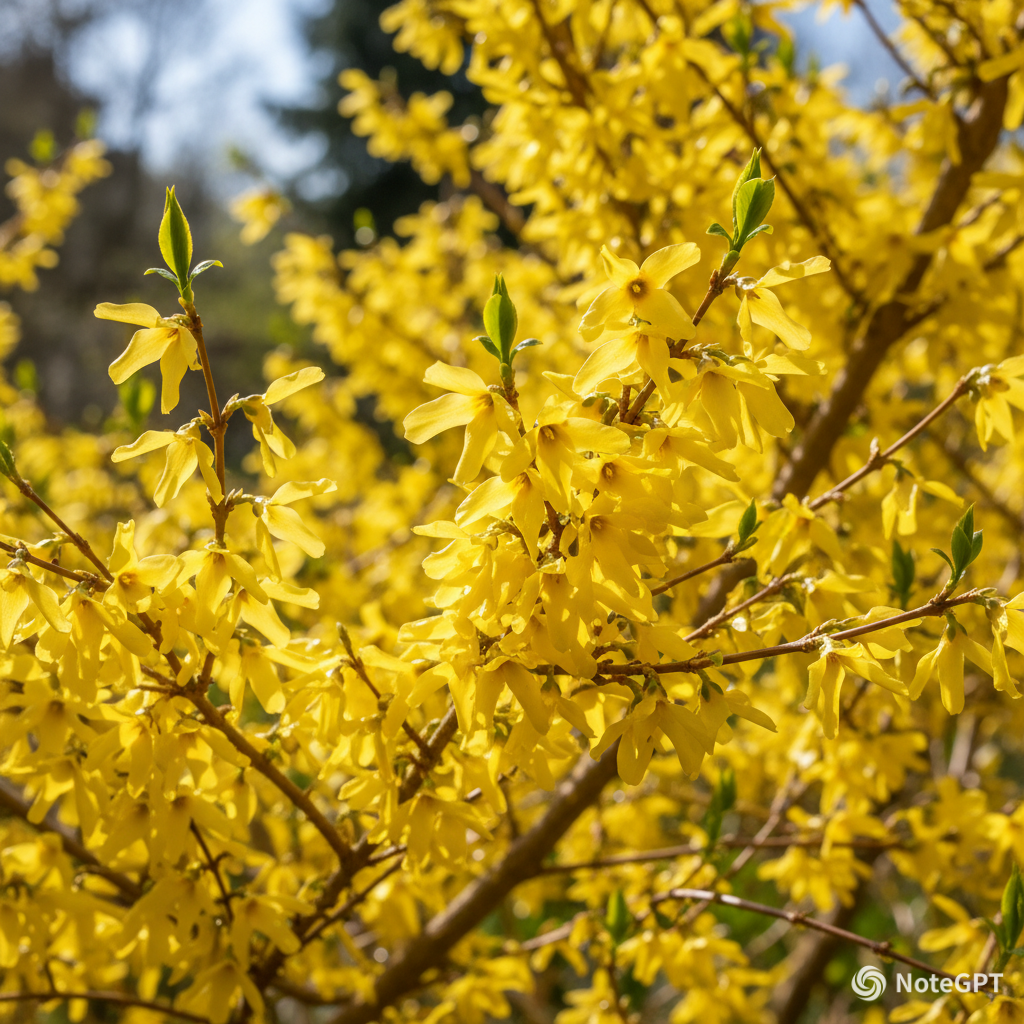
One of the most remarkable traits of the forsythia is its ability to bloom as early as late winter or early spring—often when snow is still on the ground. This makes it a symbol of resilience and renewal. Its flowers are small, with four delicate petals resembling tiny bells, and they cover the stems in clusters that seem to glow against the gray skies of early spring.
Beyond their beauty, forsythias are highly practical. They’re low-maintenance, drought-tolerant, and thrive in a variety of soil types. They respond well to pruning, which helps maintain their shape and encourages more vigorous blooming the following year. Gardeners often use them as hedges, foundation plantings, or natural screens due to their fast growth and dense foliage.
While the flowers themselves don’t have a strong fragrance, their visual impact is undeniable. A forsythia in full bloom can transform a dull landscape into a lively, hopeful scene. In floral design, cut branches are often forced indoors to bring a touch of spring into homes—a practice known as “branch forcing.”
Interestingly, forsythia flowers have also been used in traditional Chinese medicine, where the fruit (not the flower) is believed to have anti-inflammatory and fever-reducing properties. However, in Western gardens, it’s purely admired for its ornamental value.
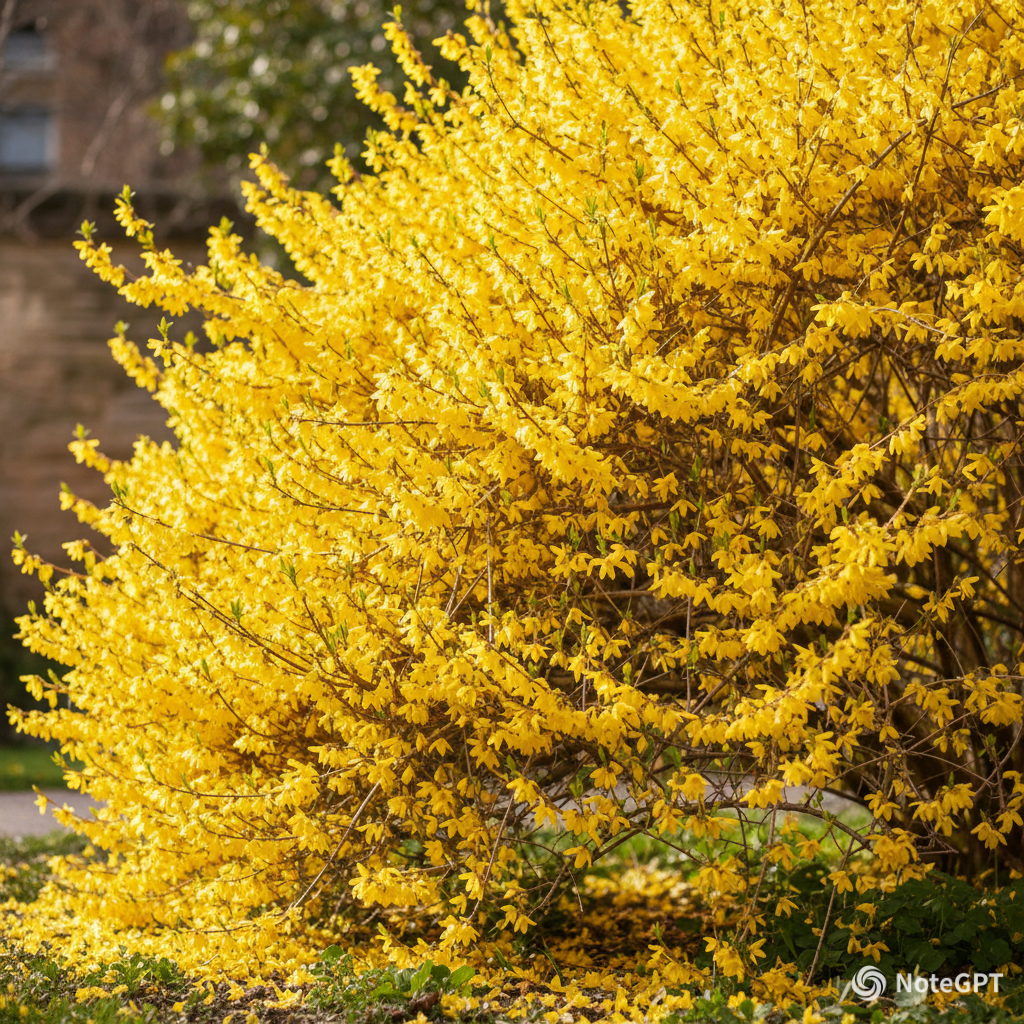
More than just a pretty face, the forsythia carries a message: no matter how long or harsh the winter, life finds a way to reemerge with brilliance and vigor. Its golden blossoms are more than a seasonal delight—they’re a promise of renewal.
So, the next time you spot a forsythia bush ablaze with yellow, take a moment to appreciate this cheerful harbinger of spring. It may be simple, but its impact on our spirits is anything but.