The Timeless Beauty and Bounty of Hyssop
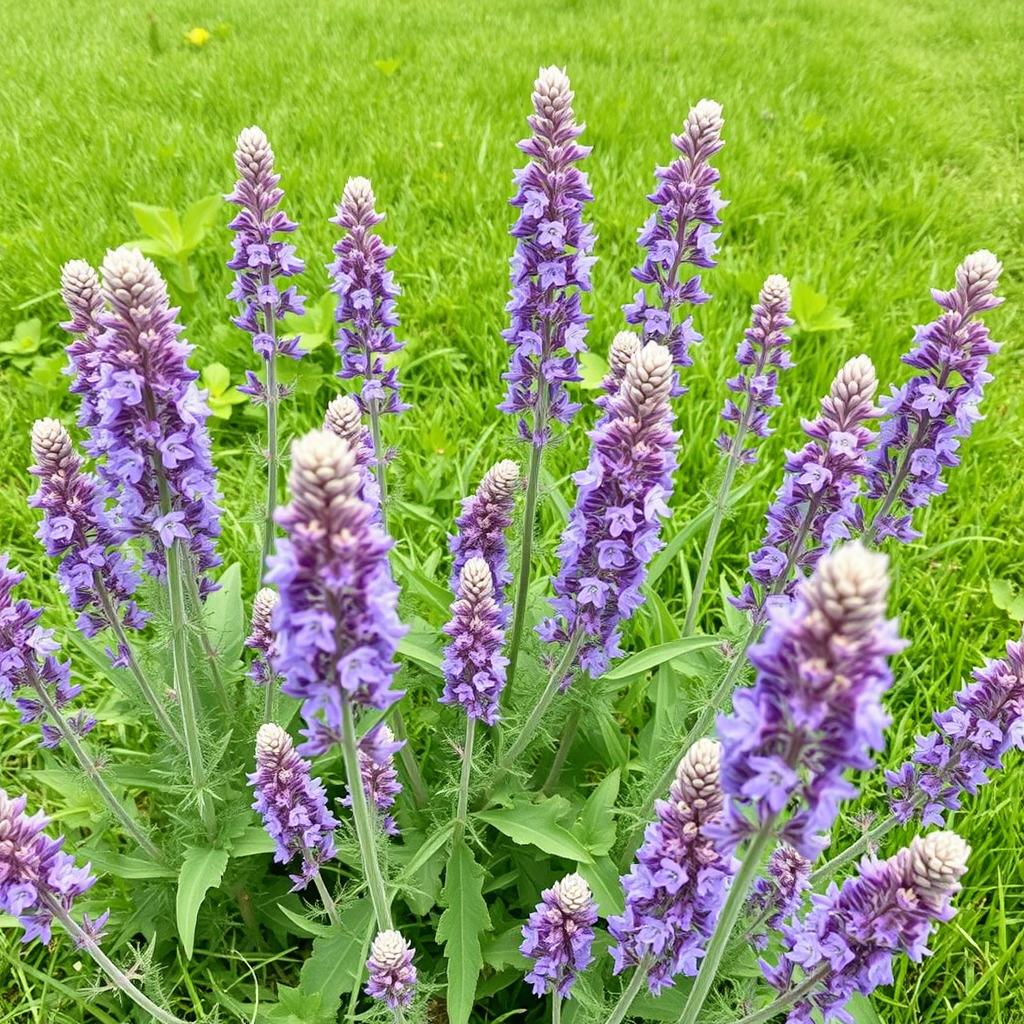
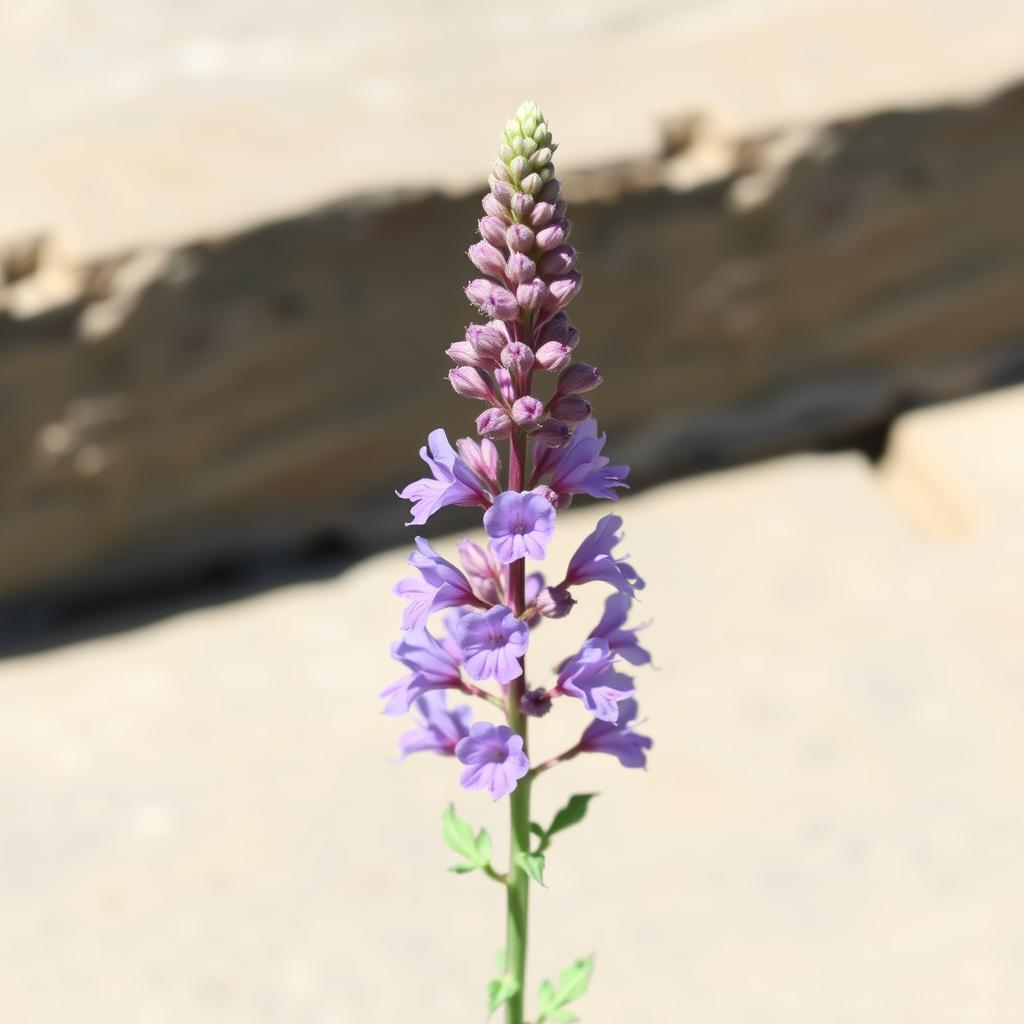
Hyssop, a delicate yet resilient herb, has captivated humans for millennia. Known scientifically as Hyssopus officinalis, this member of the mint family (Lamiaceae) stands out with its slender blue or purple flowers, aromatic leaves, and rich historical significance. Whether in gardens, apothecaries, or sacred texts, hyssop’s legacy as a symbol of healing and purity endures.
Ancient Roots and Sacred Symbolism
Hyssop’s history is steeped in reverence. In the Bible, it’s referenced in Exodus as a tool for purification rituals, used with cedar wood and scarlet yarn to sprinkle cleansing water.
Medieval Europeans believed it protected against the plague, hanging bundles of dried hyssop in homes. Its association with healing and spiritual purity persists, making it a meaningful addition to herbal gardens or sacred ceremonies.
Medicinal Marvel, Then and Now
Traditionally, hyssop was a remedy for respiratory ailments like coughs and colds, often brewed as a tea or tincture. Modern science supports some of these uses, identifying compounds like rosmarinic acid and flavonoids with potential anti-inflammatory, antiseptic, and immune-boosting properties.
However, while preliminary studies are promising, hyssop should complement—not replace—professional medical care. Always consult a healthcare provider before using it medicinally, as it may interact with medications or cause allergic reactions in some.
A Versatile Culinary Herb
Beyond its health benefits, hyssop enhances flavor and fragrance in the kitchen. Its leaves impart a minty, slightly anise-like taste, perfect for teas, salads, or as a seasoning for meats and vegetables. The flowers, though mild in flavor, add a splash of color to desserts, jellies, or cocktails. Caution is key, though—overuse can result in bitterness, and certain species (like Agastache) are more suited to culinary use.
Growing and Caring for Hyssop
Easy to cultivate, hyssop thrives in full sun and well-drained soil. Its compact growth (about 2–3 feet tall) makes it ideal for borders or containers. Prune regularly to prevent it from becoming invasive. Beyond its ornamental appeal in gardens, hyssop attracts pollinators like bees and butterflies, adding life to any landscape.
A Legacy to Cherish
Hyssop embodies nature’s duality: beauty and utility. While its past is steeped in myth and tradition, its present offers a connection to both wellness and Earth’s rhythms. Whether grown for its fragrance, harvested for remedies, or admired for its bloom, hyssop reminds us to approach heritage with respect—and to savor the past in every present-day sprig.
Note: While hyssop is cherished, always use it wisely. When in doubt, consult a herbalist or healthcare professional to harness its gifts safely.
In a world seeking balance between old and new, hyssop remains a quiet yet enduring ally.