Armeria Maritima: The Charming Sea‑Pink That Transforms Any Garden
When you picture a coastal cliff swathed in wind‑kissed greenery, tiny clusters of pink‑white blooms often steal the spotlight. Those modest yet striking flowers belong to Armeria maritima, commonly called sea‑pink, sea thrift, or simply thrift. Though its natural habitat is the rugged shoreline, this hardy perennial has earned a beloved spot in gardens worldwide for its resilient nature, delicate beauty, and surprisingly versatile uses.
A Brief Botanical Portrait
Armeria maritima is a low‑growing, evergreen subshrub in the Plumbaginaceae family. Native to the temperate coasts of Europe, North Africa, and parts of North America, it thrives in salty, well‑drained soils where few other plants can survive. Each plant forms a compact mound of linear, grass‑like foliage that arches outward, crowned by dense, spherical umbels of 10‑30 tiny flowers.
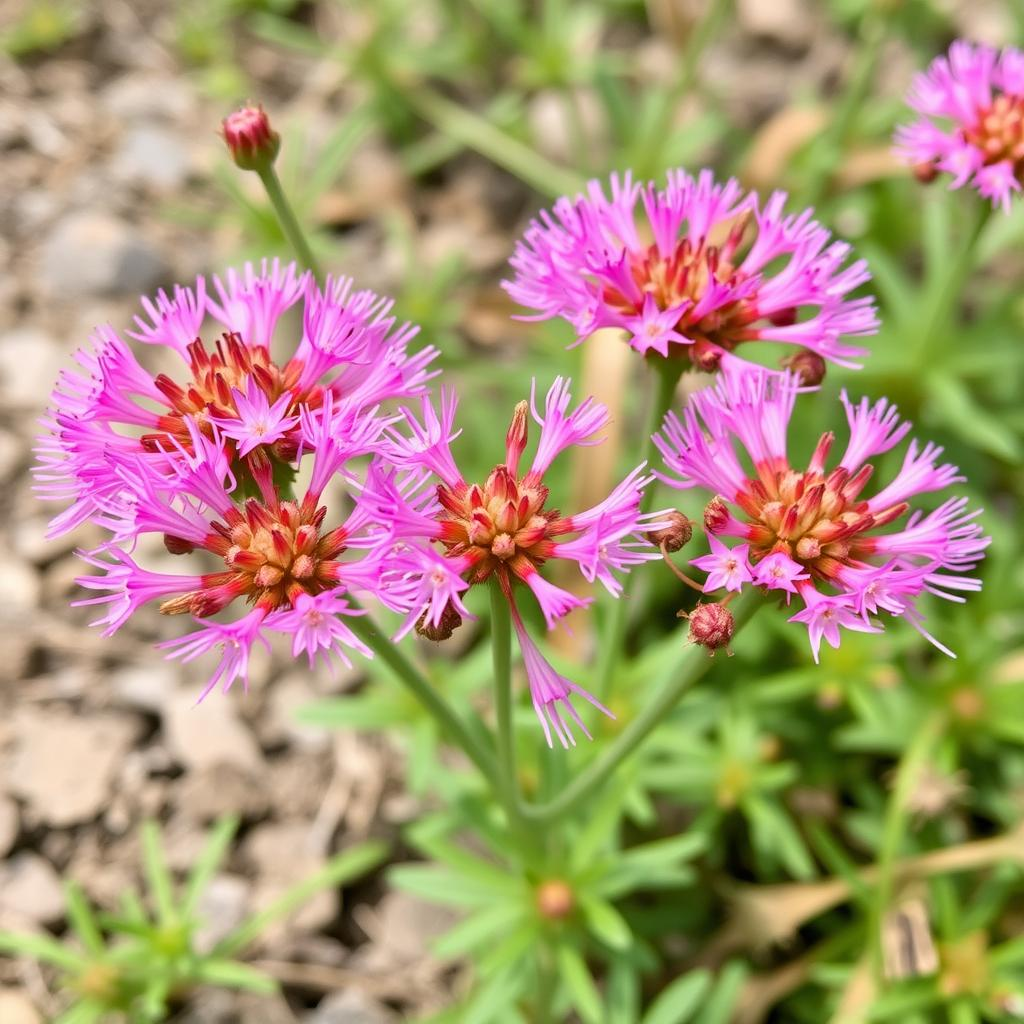
The blossoms emerge in late spring to early summer, ranging from soft pastel pink to crisp white, and occasionally a subtle lilac hue. Their five‑petaled structure is simple, yet the sheer volume of blossoms creates a visual impact that belies the plant’s modest stature—typically 6‑12 inches tall and 12‑18 inches wide.
Why Gardeners Love Sea‑Pink
Salt & Drought Tolerance – Originating from saline cliffs, thrift tolerates salty breezes, occasional flooding, and prolonged dry spells. This makes it an ideal choice for coastal gardens, rockeries, xeriscapes, and even container planting on balconies exposed to sea spray.
Low Maintenance – Once established, Armeria needs minimal attention. A well‑drained substrate and occasional light pruning to remove spent flower heads are enough to keep it looking tidy.
Year‑Round Interest – The evergreen foliage provides structure throughout winter, while the summer blooms add a splash of color. In autumn, the foliage may take on a bronze tint, extending its decorative season.
Pollinator Magnet – The nectar‑rich flowers attract bees, butterflies, and hoverflies, supporting local biodiversity.
Planting & Care Tips
Soil: Opt for gritty sand, limestone, or a gritty loam with excellent drainage. Adding coarse sand or perlite can mimic the plant’s natural, stony environment.
Sunlight: Full sun to light shade. In hotter climates, a few afternoon hours of shelter prevent leaf scorch.
Watering: Water sparingly until the plant is rooted (about 4‑6 weeks). Once established, it tolerates drought, though occasional deep watering during prolonged dry periods encourages more vigorous blooming.
Spacing: Plant 12‑18 inches apart to give each mound room to spread without crowding.
Propagation: Division in early spring or late autumn works well. Seeds can be sown on the surface of a sandy seed‑raising mix; they require light and cool temperatures to germinate.
Creative Uses Beyond the Bed
Armeria maritima is not just a garden star; it shines in floral arrangements and crafts. The delicate umbels make excellent cut flowers for rustic bouquets, while the foliage can be used in dried‑flower wreaths. Its tolerance of salty air also makes it a popular choice for “living walls” in seaside resorts and rooftop gardens where wind‑blown sand is a concern.
Final Thoughts
Whether you’re a seasoned horticulturist or a balcony‑dweller seeking a touch of coastal charm, sea‑pink offers a blend of resilience, elegance, and ecological benefit that few garden plants can match.
By replicating its natural conditions—well‑drained, slightly alkaline soil, plenty of sun, and a hint of maritime breeze—you’ll reward yourself with a vibrant, low‑maintenance display that whispers the romance of the sea year after year. Embrace Armeria maritima and let its graceful blooms transform ordinary spaces into tranquil, seaside sanctuaries.