Painted Daisy – The Unassuming Star of the Garden
If you’ve ever walked past a meadow and felt the subtle pull of a tiny, speck‑spotted bloom, chances are you were looking at the painted daisy (Leucanthemum × superbum). Often mistaken for its larger cousin, the classic white‑petaled daisy, the painted daisy may be modest in size, but it packs a punch of colour, texture and garden‑room versatility that makes it a favorite among both seasoned horticulturists and casual weekend growers.
A Quick Portrait
The painted daisy is a hybrid between the Shasta daisy (Leucanthemum × superbum) and the Japanese Leucanthemum × superbum varieties. Its stems rise 30‑60 cm (12‑24 in) tall, bearing a single, cup‑shaped flower head that measures roughly 2‑3 cm across.
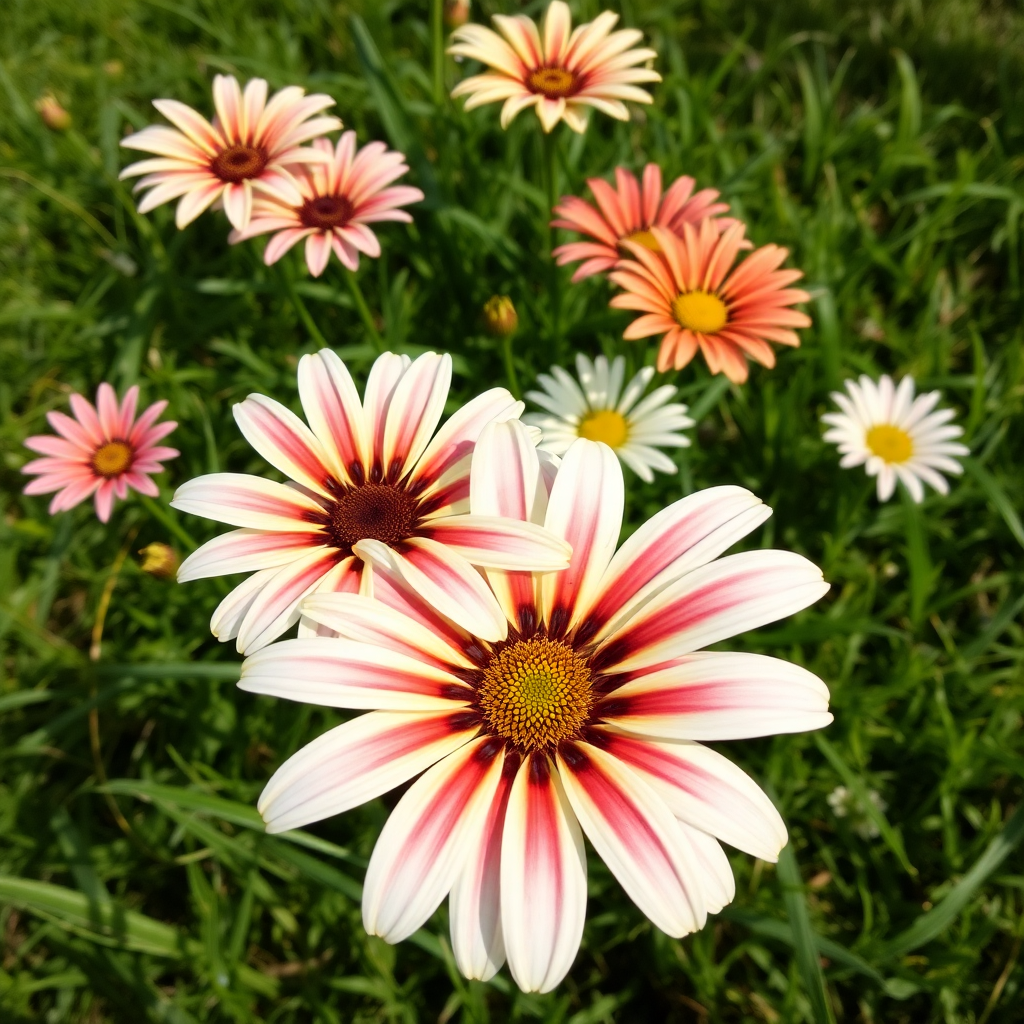
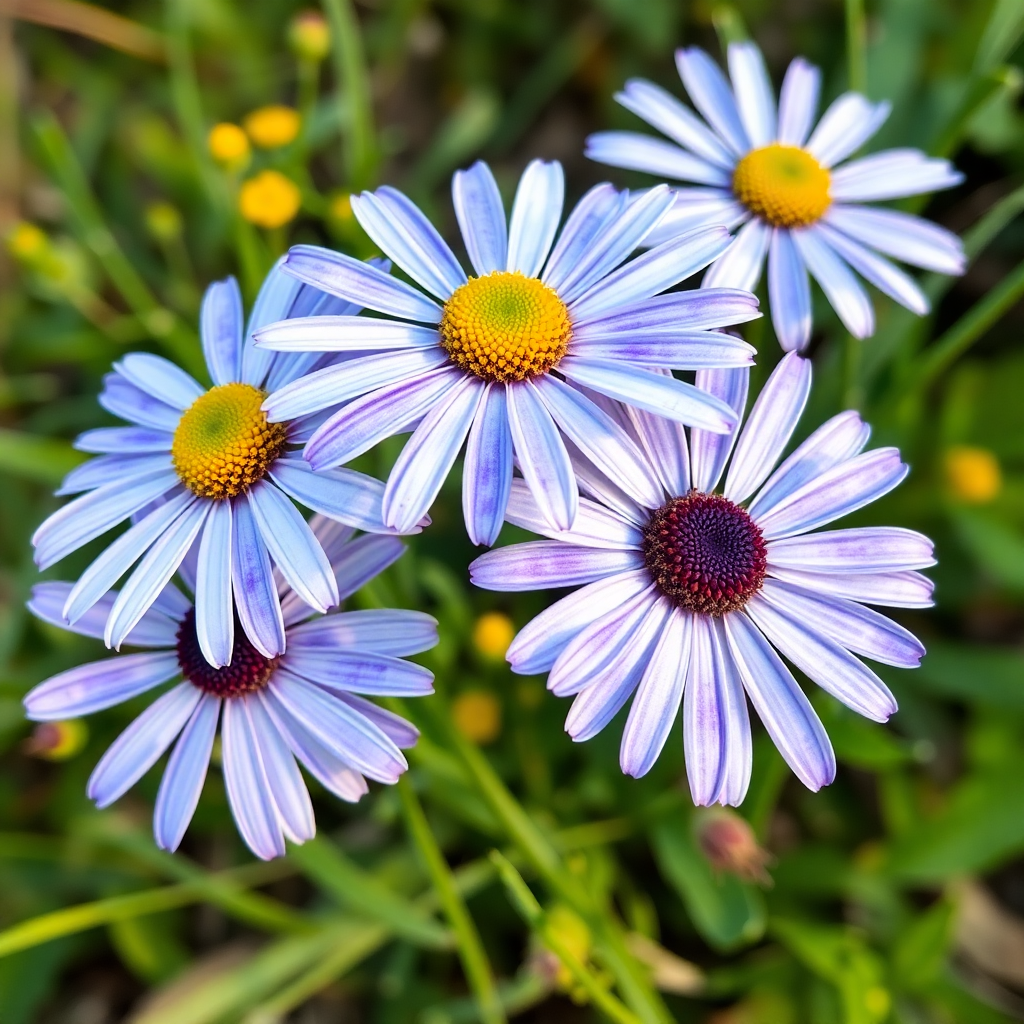
The most striking feature is the “painted” centre: a delicate lattice of mauve‑purple, pink or even lavender tones that radiates from a golden disc. The ray petals are a pure, crisp white, creating a striking contrast that looks like a brushstroke on a blank canvas.
Growing the Painted Daisy
Sunlight & Soil: These perennials love full sun—at least six hours of direct light per day—and thrive in well‑draining, loamy soil with a neutral to slightly alkaline pH. A light mulch of straw or shredded bark conserves moisture and keeps the roots cool in summer heat.
Planting & Spacing: Plant seedlings or root cuttings in early spring, spacing each plant about 30 cm (12 in) apart. This gives the foliage room to spread without crowding the delicate flower heads.
Watering: Keep the soil consistently moist during the first month after planting. Once established, a deep watering once a week is sufficient. Over‑watering can lead to root rot, while drought stress will cause premature flower drop.
Maintenance: Deadhead spent blooms on a regular basis. This not only keeps the garden tidy but also encourages a second, smaller flush of flowers later in the season. In late autumn, cut the foliage back to about 5 cm above the ground to protect the plant over winter.
Garden Uses & Design Ideas
Border Beauties: Their modest height makes painted daisies perfect for front‑yard borders, edging pathways, or mixing with low‑lying groundcovers like thyme or creeping sedum.
Container Charisma: Because they tolerate a slightly cramped root system, they look lovely in medium‑sized pots or window‑boxes, especially when paired with deep‑green foliage plants such as hostas.
Pollinator Magnet: The painted centre is rich in nectar, attracting bees, butterflies, and even occasional hummingbirds. Plant a few in a sunny patch to boost garden biodiversity.
Symbolism & the Sweet Spot in the Garden
Historically, daisies have symbolised innocence and purity. The painted daisy adds a layer of nuance—its speckled centre suggests hidden depth and the subtle beauty that emerges when we look beyond the obvious. In a garden, this translates to a gentle reminder: even small, unpretentious plants can bring colour, life, and a touch of wonder to the landscape.
Takeaway
Whether you’re curating a tidy cottage garden or looking for a resilient, low‑maintenance pop of colour for a balcony, the painted daisy fits the bill. Its easy care, vibrant centre and ability to coexist with a wide range of companions make it an unsung hero of the floral world—one that deserves a place in every plant lover’s notebook and, ultimately, in the garden itself. Give it a try this spring, and watch those tiny speckles turn into a painted masterpiece across your beds.
Upvoted! Thank you for supporting witness @jswit.