Frangipani: The Sun‑kissed Star of Tropical Gardens
When you step into a sun‑drenched courtyard or wander through a coastal garden, chances are a sweet, citrus‑spiced perfume greets you before you even see the source.
That scent belongs to the frangipani (genus Plumeria), a flower that has become synonymous with tropical paradise, wedding ceremonies, and even spiritual rituals across the globe. In just a few minutes, let’s explore why this humble blossom deserves a place on every garden lover’s wish list.
A Quick Botanical Snapshot
Frangipanis are deciduous shrubs or small trees native to the Americas, but they thrive in the warm, dry climates of Southeast Asia, the Pacific Islands, and the Caribbean.
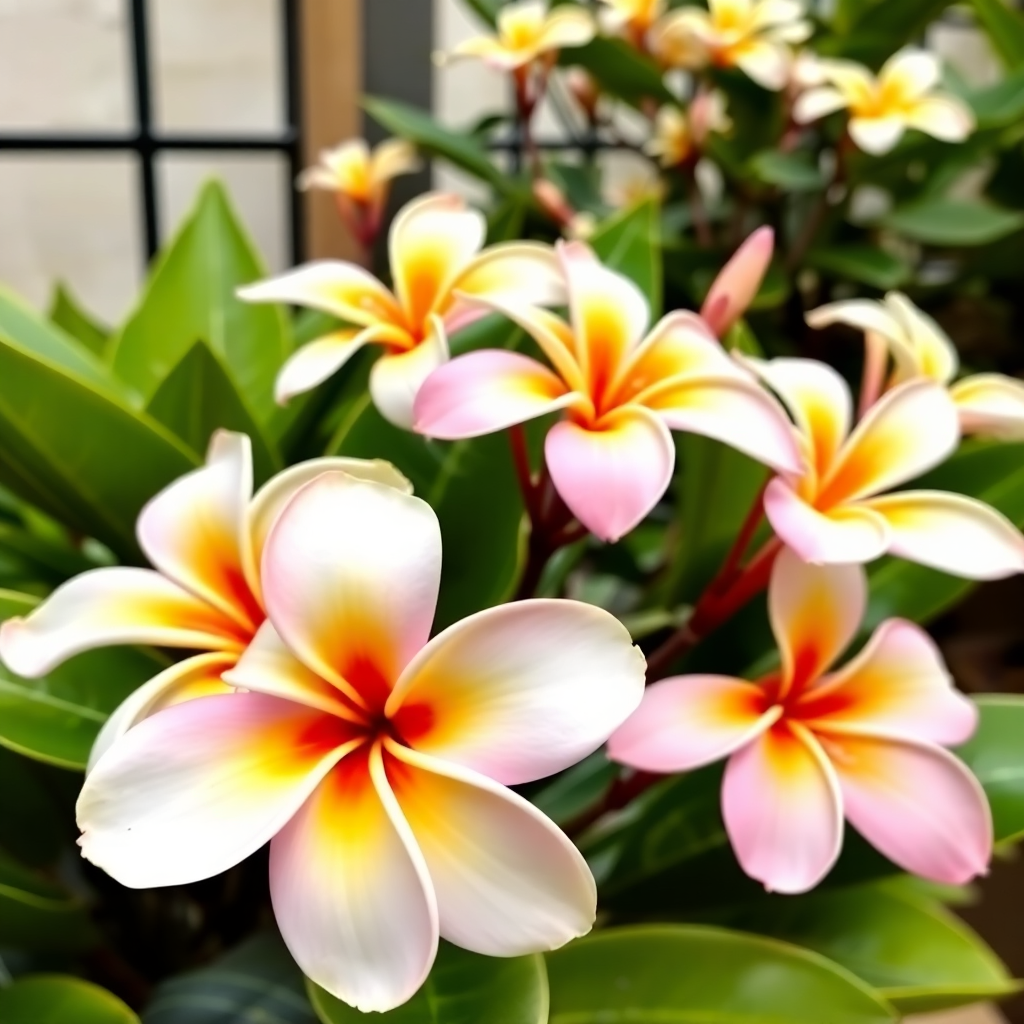
Their glossy, oval leaves grow in opposite pairs, while the star‑shaped blooms—ranging from pure white to deep crimson—appear in clusters atop slender branches. Each flower opens in the late afternoon, unfurling its five petals to reveal a dense central column of stamens that releases the iconic fragrance.
Cultural Roots & Symbolism
The name “frangipani” traces back to the 16th‑century Italian nobleman Marquis Frangipani, who famously used the flower’s scent to mask the odor of his perfume. Over time, the plant took on layers of meaning:
Hawaiian lu‘au: In Hawai‘i, plumeria (known locally as “melia”) decorates altar offerings and is woven into leis for special occasions.
Thai festivals: The blossoms adorn Buddhist temples during the Songkran water festival, symbolizing purity and renewal.
Mexican Day of the Dead: White frangipani petals are scattered on altars to honor departed souls, representing the fragility and beauty of life.
Practical Uses – From Garden to Kitchen
Beyond aesthetic charm, frangipani offers a host of practical applications:
Fragrance & Essential Oil – The flower’s essential oil is a staple in perfumery, soaps, and aromatherapy, prized for its calming, uplifting qualities.
Culinary Touch – In some Caribbean islands, the petals are candied and used to garnish desserts, while the young leaves can be boiled into a mild tea.
Medicinal Folk Remedies – Traditional healers have employed frangipani bark and roots to soothe skin irritations and reduce fever, though scientific validation remains limited.
Growing Tips for the Aspiring Gardener
Sunlight: Plant in full sun (6‑8 hours daily) to encourage robust blooming.
Soil: Well‑draining, slightly sandy soil mimics the plant’s native habitat; avoid waterlogged conditions.
Watering: Water deeply but infrequently; let the top inch of soil dry between sessions. Over‑watering is the most common cause of root rot.
Pruning: Trim after the flowering season to shape the canopy and stimulate new growth.
Cold Sensitivity: Frangipani is frost‑intolerant. In cooler climates, grow it in containers and move indoors during winter, or treat it as an annual.
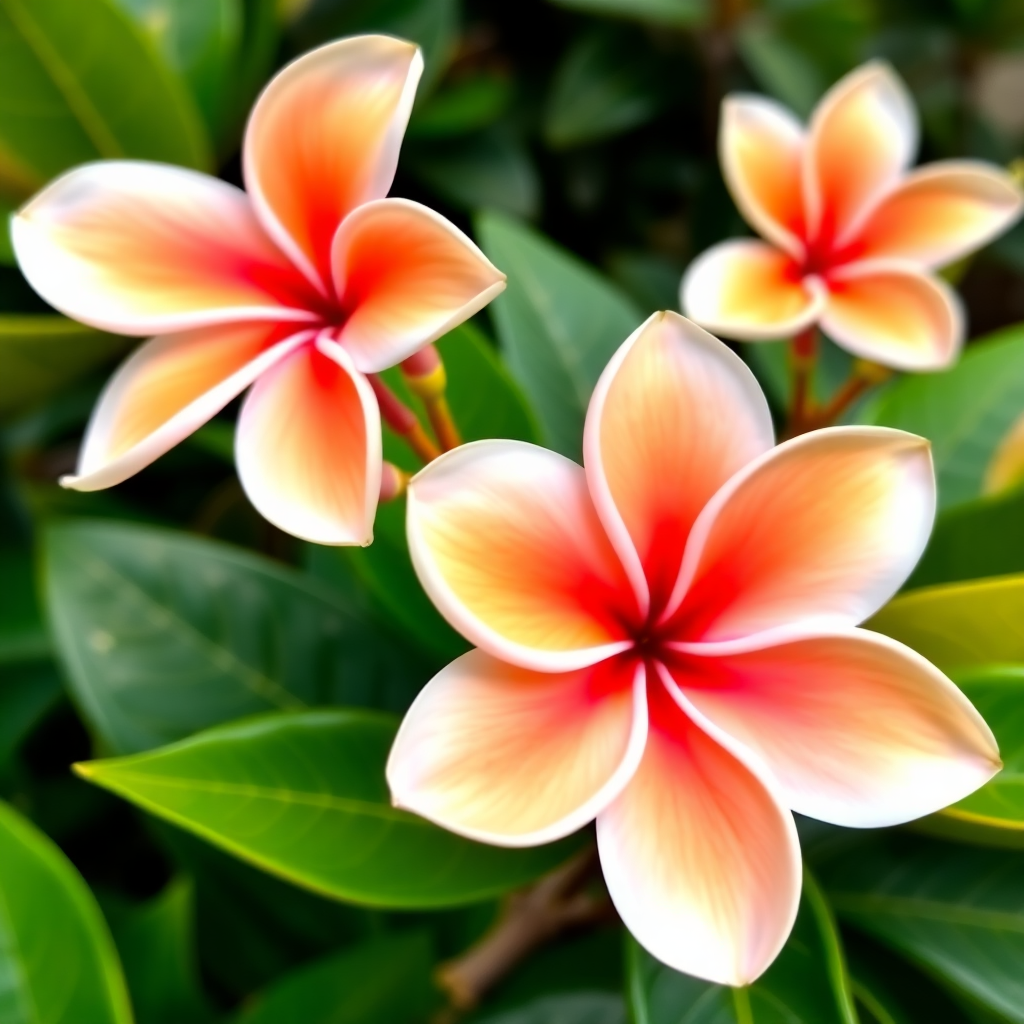
A Closing Thought
Whether you’re seeking a fragrant centerpiece for a summer soirée, a symbol of cultural heritage, or simply a splash of tropical color, the frangipani delivers on all fronts. Its effortless elegance and intoxicating scent remind us that even the most fleeting blossoms can leave a lasting impression—much like the warm memories they help create.
Ready to add a touch of island magic to your garden? Grab a cutting, give it the sun and patience it craves, and watch as the frangipani blossoms into a living ode to summer. 🌺
Wow, what a beautiful view! So lovely roses, such wonderful shapes! Best of luck to everyone, my brother.