Why Ducks Love Cold Water – A Simple Look at Nature’s Perfect Pair
When you see a duck gliding across a chilly pond, you might wonder why it seems so happy in water that would make most of us shiver. The answer is a mix of biology, behavior, and good old‑fashioned adaptation. Below are the main reasons ducks thrive in cold water – explained in plain, everyday language.
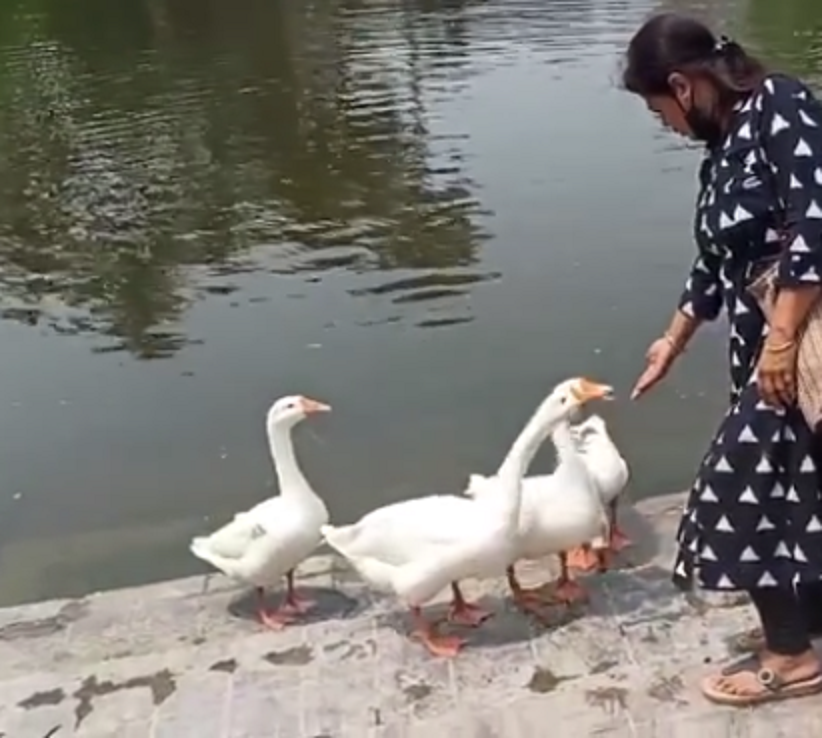
- Feather Waterproofing
Ducks have a special coating on their feathers called preen oil. A tiny gland near their tail, the uropygial gland, makes this oil. When a duck rubs its beak on the gland and then spreads the oil over its feathers, the feathers become water‑repellent. Water slides off, keeping the down underneath dry and warm. Even in icy water, the oil stops the cold from reaching the skin, so the duck stays comfortable.
- Insulating Down
Below the outer feathers lies a thick layer of soft down. This down traps air, and trapped air is an excellent insulator. When a duck dives into cold water, the down acts like a tiny blanket, holding body heat close to the skin. The combination of waterproof outer feathers and warm down makes cold water feel much less harsh.
- Efficient Circulation
Ducks have a clever circulatory system that helps them stay warm. Blood vessels in the legs and feet are arranged in a counter‑current heat exchange pattern. Warm blood flowing from the body passes close to cold blood returning from the feet, sharing heat. This means the feet stay just warm enough to function, while the core of the body retains most of its heat. The result? Ducks can stand and paddle in water that would freeze a human’s toes.
- Food Availability
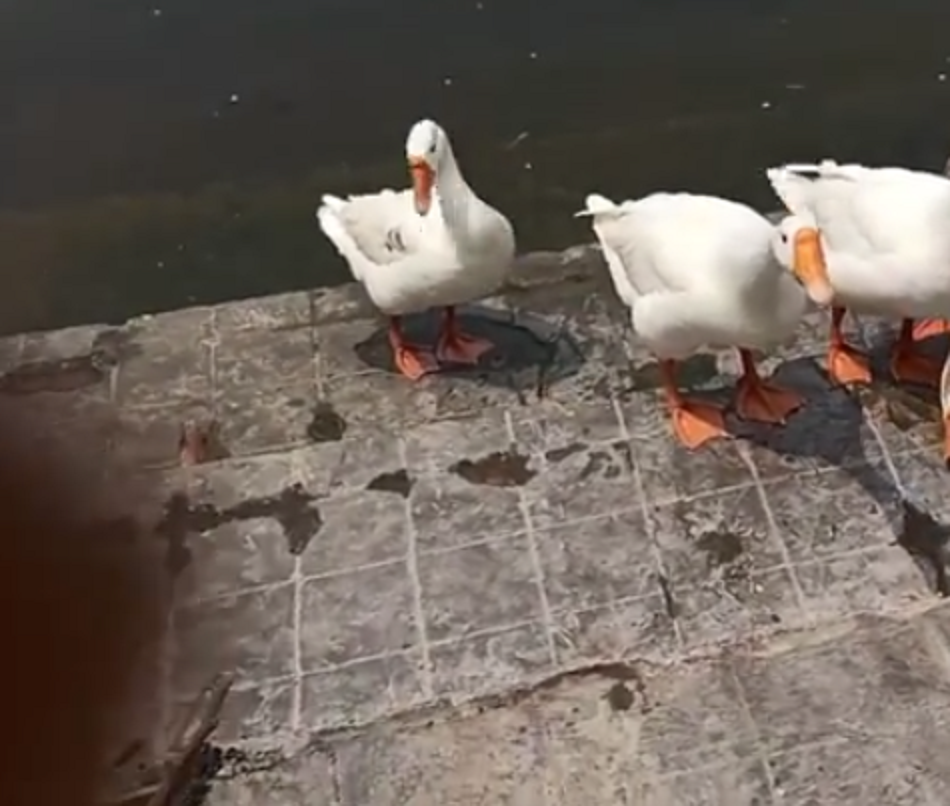
Cold water bodies are often rich feeding grounds. In winter, many insects, small fish, and plant seeds sink to the bottom or float near the surface. Ducks can dive or dabble to find these foods when other animals have moved on. The chance to eat easily is a big reason why they don’t mind the chill.
- Safety from Predators
Cold water can be a natural barrier to predators. Larger mammals such as foxes or cats are less likely to chase a duck into icy ponds. By staying in cold water, ducks reduce the risk of being chased or caught. It’s a simple, effective way to stay safe.
- Social Comfort
Ducks are very social birds. When a flock gathers on a cold lake, the group creates a tiny “heat island.” The birds huddle together, and the combined body heat makes the immediate air a bit warmer. This social warming helps each duck feel more at ease in the cold water.
Bottom Line
Ducks love cold water because their bodies are built for it. Waterproof feathers, insulating down, smart blood circulation, abundant food, protection from predators, and the warmth of a flock all work together. What looks like a simple splash to us is actually a perfect match of nature’s design. So the next time you watch a duck glide across a frosty pond, you’ll know it’s not just brave—it’s perfectly equipped for the chill.