Mimosa — The Delicate Charm of a Sun‑Kissed Bloom
When spring unfurls its first green ribbons, a shy but unmistakable splash of color often steals the show: the mimosa flower. With its feathery foliage and buttery‑gold blossoms, the mimosa (genus Acacia or Mimosa, depending on the species) has earned a place in gardens, festivals, and the cultural imagination across continents.
In just a few short minutes, let’s explore why this unassuming plant captures hearts, how to grow it, and the stories it carries.
A Quick Botanical Snapshot
The most familiar mimosa for many readers is Acacia dealbata, the silver wattle of Australia, also known as the “golden wattle.” It is a fast‑growing, evergreen shrub or small tree that reaches 4–12 m in height. Its leaflets are bipinnate, giving a feathery, fern‑like appearance, while the inflorescences are cylindrical spikes densely packed with dozens of tiny, bright yellow flowers. In warm climates, a single branch can burst into a cloud of bloom that seems to melt the winter chill.
A close relative, Mimosa pudica, often called the “sensitive plant,” is famed for its rapid leaf‑folding response to touch. Though not typically cultivated for ornamental displays, it shares the genus’s reputation for delicate, tactile intrigue.
Symbolism and Cultural Roots
In Australia, the golden wattle is more than a pretty garden filler—it is the national floral emblem. Every 1 September, the nation celebrates Wattle Day, a tradition that began in the early 20th century as a way to honor the country’s unique flora and to rally patriotic sentiment. The gold color symbolizes the “sun‑shining spirit” of the Australian people.
Across the Atlantic, mimosa flowers have become synonymous with International Women’s Day in Italy, where a single sprig is traditionally presented to women as a token of respect and admiration.
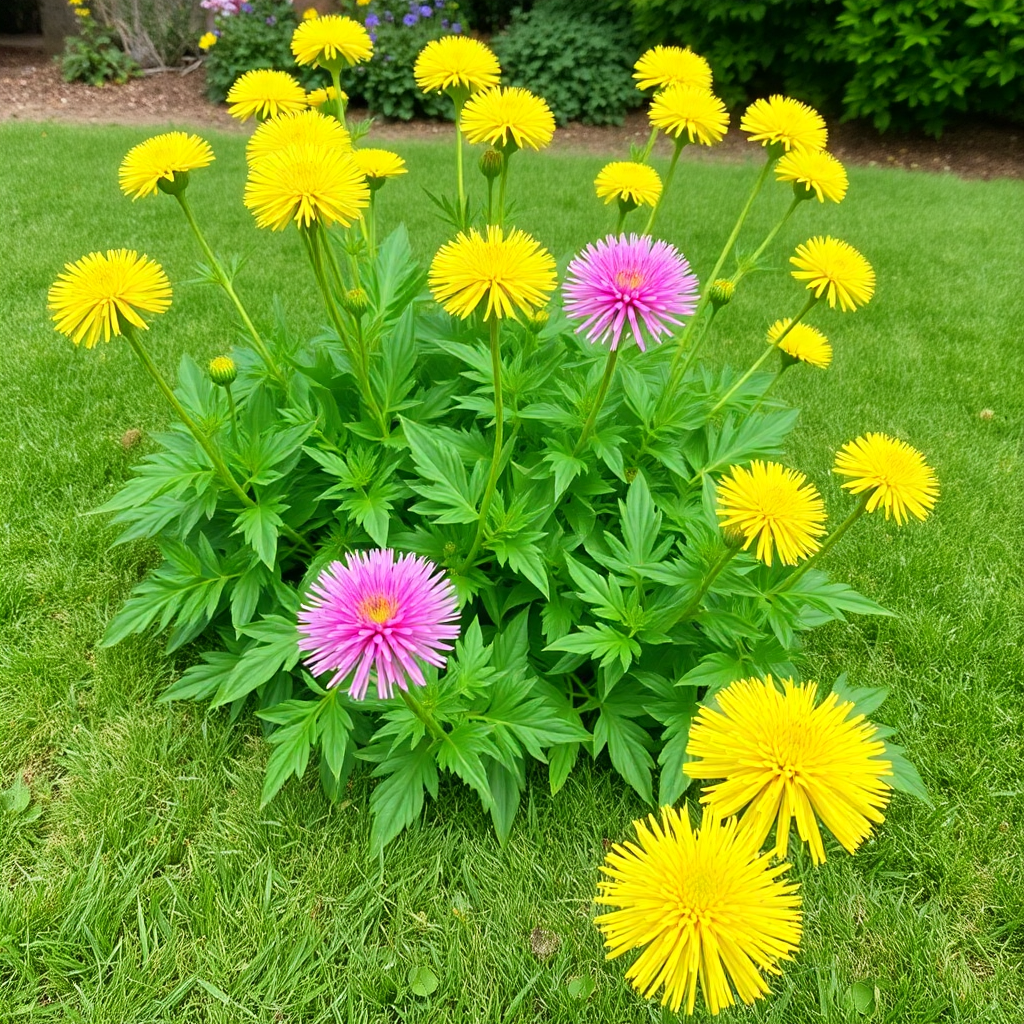
The gesture dates back to 1946, when a group of Florentine women, unable to purchase expensive roses, chose the abundant and affordable mimosa instead. The bright, resilient blooms perfectly mirrored the strength and optimism of women’s movements worldwide.
Growing a Mimosa in Your Garden
If you’re tempted to invite this sunny cheer into your own landscape, here are the essentials:
| Requirement | Tips |
|---|---|
| Climate | Thrives in USDA zones 9‑11. In cooler zones, treat it as an annual or grow it in a large container and bring it indoors for winter. |
| Soil | Well‑draining, slightly acidic to neutral soil. Adding sand or perlite prevents water‑logging. |
| Light | Full sun (minimum 6 hours). Partial shade slows flowering. |
| Water | Moderate watering until established; thereafter, drought‑tolerant. Overwatering can cause root rot. |
| Pruning | Light shaping after flowering encourages a compact habit and a second, smaller bloom later in the season. |
A noteworthy quirk: mimosa pollen is light and can travel miles on the wind, giving the plant a spectacular “golden haze” effect that looks especially magical at sunrise.
Practical Uses and Benefits
Beyond aesthetics, the mimosa offers several practical perks:
Nitrogen Fixation – Like many legumes, its root nodules house bacteria that enrich soil, making it an excellent companion plant for vegetable beds.
Bee Magnet – The nectar-rich flowers attract bees, butterflies, and hummingbirds, boosting pollinator health.
Traditional Medicine – Indigenous Australian peoples have used bark and leaves for mild analgesic and anti‑inflammatory remedies, though scientific validation remains limited.
A Final Thought
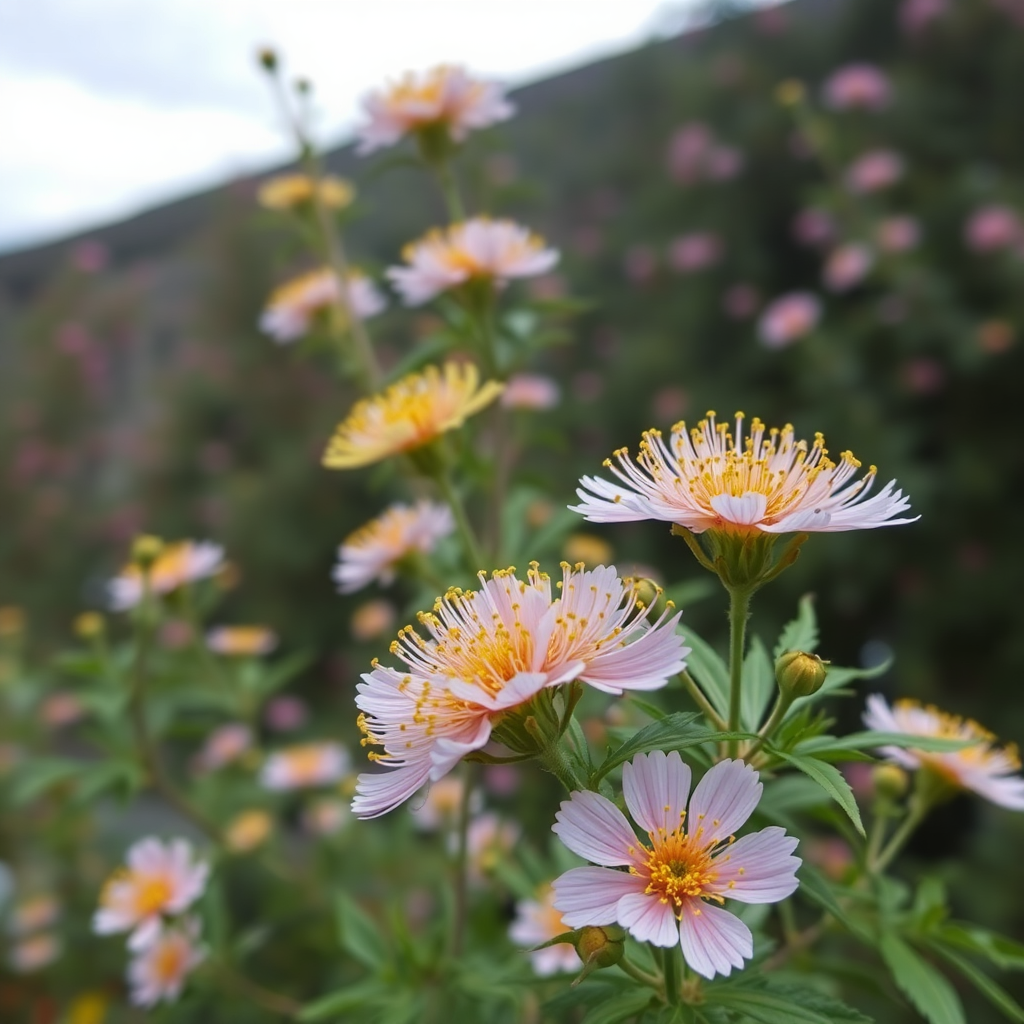
Whether you’re admiring a sweeping wattle canopy on a breezy hillside or gifting a modest sprig to celebrate a milestone, the mimosa’s gentle optimism reminds us that beauty often lies in simplicity. Its golden bursts whisper a timeless message: even the smallest, most unassuming bloom can illuminate an entire landscape—and a heart.
If you haven’t yet welcomed a mimosa into your garden or daily life, consider giving it a chance this spring; you may find yourself falling under its sunny spell, one delicate flower at a time.