The Tiny Performers of My Backyard: Little Birds on the Tree
When I step onto the back porch and look up, a miniature stage unfolds among the branches of the old maple that crowns my yard. There, perched like delicate acrobats, are the little birds that have turned a simple tree into a daily spectacle.
Their feathers flash amber, slate, and ruby; their songs stitch together the rhythm of sunrise and sunset. In the span of a few weeks, I’ve learned that these tiny performers are far more than background décor—they are essential threads in the fabric of my garden’s life.
A Cast of Characters
The most frequent visitor is the House Finch (Haemorhous mexicanus). Its cheerful “chip‑chip‑chip” welcomes the morning, and the male’s bright red crown adds a splash of color against the green foliage.
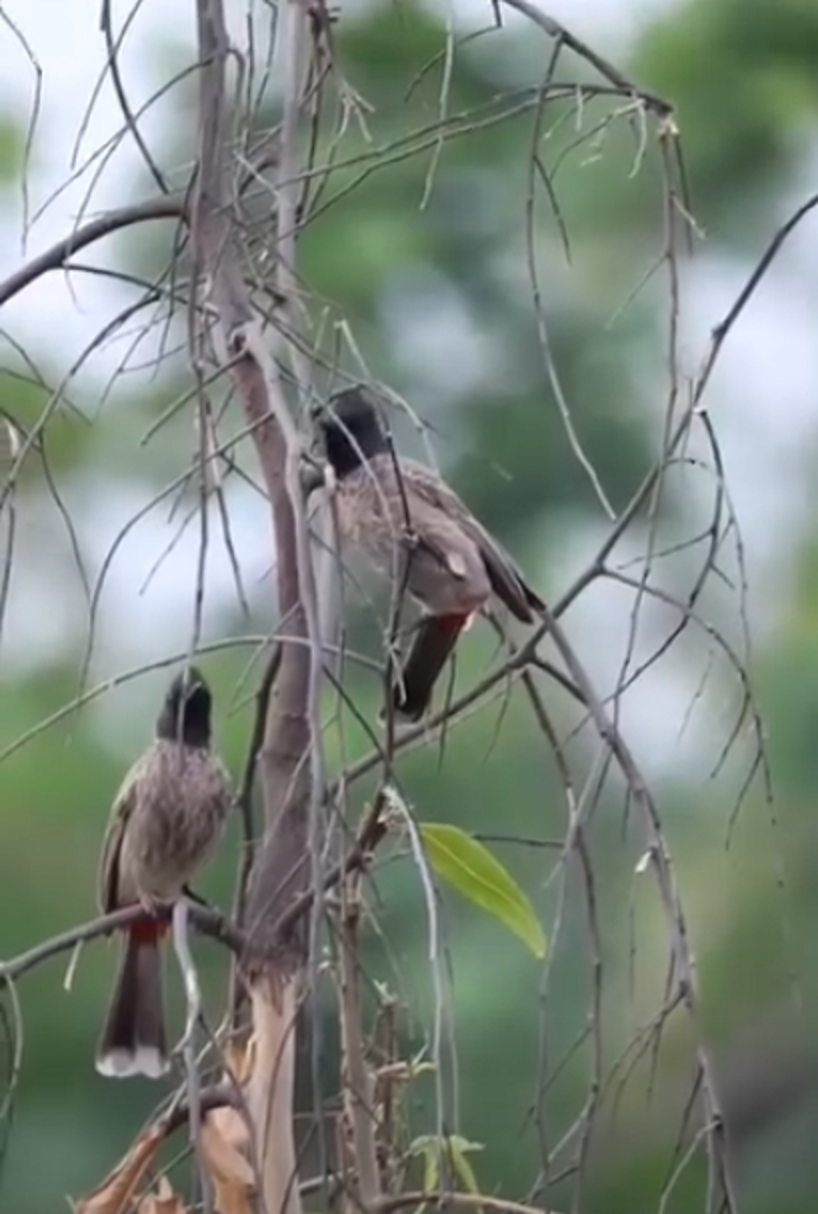
A few meters away, a pair of American Goldfinches flit from leaf to leaf, their bright yellow plumage shimmering like tiny suns. When the wind rustles the leaves, they dart in synchronized bursts, as if rehearsing a choreographed routine.
In early spring, a shy Eastern Bluebird makes a brief cameo, perched on a low branch and surveying the world with a calm confidence. Though less common, its presence signals that the backyard ecosystem is thriving. Finally, the ever‑curious Carolina Chickadee pops up at the edge of the canopy, its “chick‑a‑dee‑dee‑dee” a reminder that even the smallest voices can be the loudest in a quiet afternoon.
Why They Matter
Beyond the sheer joy of watching them, these birds are vital pollinators and pest controllers. The finches and chickadees feast on insects—aphids, caterpillars, and beetles—that would otherwise devour tender leaves and budding flowers.
In return, they spread seeds from the berries they consume, helping native plants propagate. Their presence is a living indicator of garden health; a diverse avian population tells me that soil, water, and plant choices are in balance.
Creating a Bird‑Friendly Stage
If you’re inspired to invite your own feathered troupe, start with three simple steps:
Plant Native Shrubs and Trees – Species like serviceberry, elderberry, and dogwood offer natural food sources and nesting spots. The maple in my yard, though not native, provides a sturdy platform for perching and shelter.
Offer Fresh Water – A shallow birdbath with a few stones prevents drowning and encourages birds to linger. Change the water daily during hot spells to keep it inviting.
Provide Safe Feeding Stations – Suet feeders attract insect‑eating birds, while platform feeders with mixed seeds draw finches and sparrows. Keep feeders away from windows to reduce collision risk.
The Quiet Lessons
Watching these little birds has taught me patience and humility. Their fleeting visits remind me that nature’s most profound moments often arrive in the briefest chirps and the softest wingbeats. Each sunrise now begins with a chorus, each evening ends with a quiet hush as the birds settle into the nest.
In the modest canopy of my backyard tree, I’ve discovered a world of wonder—one that beckons us to pause, listen, and cherish the tiny dramas playing out just above our heads.
So, next time you glance up at the branches over your own garden, take a moment to appreciate the tiny actors on stage. Their performance may be small, but its impact on the rhythm of your day—and the health of your garden—is anything but.
This is a very insightful post! I really enjoyed reading your perspective. Thanks for sharing this with the community."
Please support me 😊❤️
Congratulations!
Your post has been manually upvoted by the SteemPro team! 🚀
This is an automated message.
If you wish to stop receiving these replies, simply reply to this comment with turn-off
Visit here.
https://www.steempro.com
SteemPro Official Discord Server
https://discord.gg/Bsf98vMg6U
💪 Let's strengthen the Steem ecosystem together!
🟩 Vote for witness faisalamin
https://steemitwallet.com/~witnesses
https://www.steempro.com/witnesses#faisalamin