Singapore Graveyard Flower
The Singapore graveyard flower, also known by its botanical name Plumeria, is one of the most recognizable tropical blooms in Southeast Asia. In Singapore and many other parts of the world, it is often planted in cemeteries, which explains its somber yet poetic common name. Despite this association with death and remembrance, the flower itself carries a far richer symbolism, celebrated for its resilience, beauty, and deep cultural significance.
Appearance and Characteristics
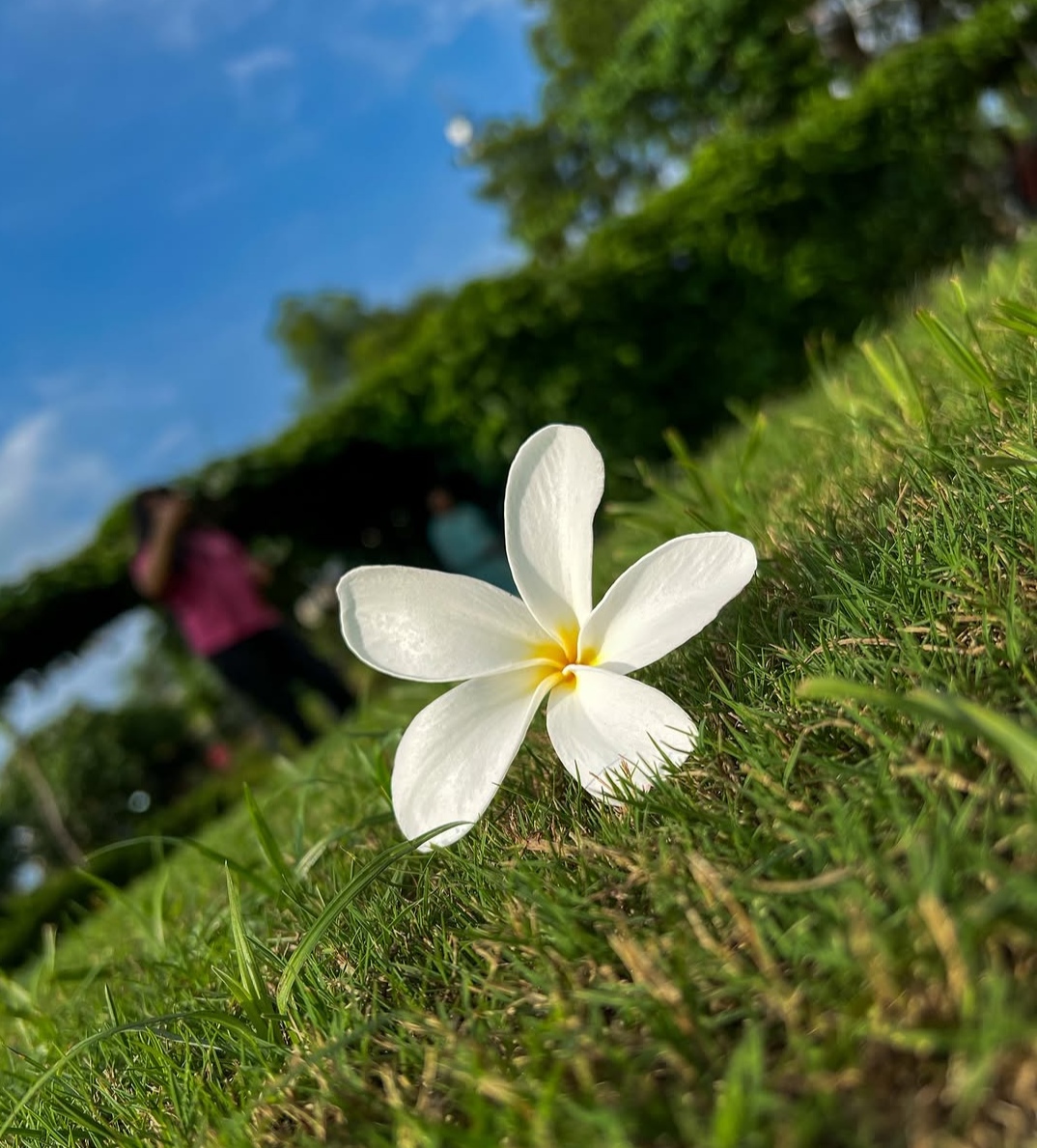
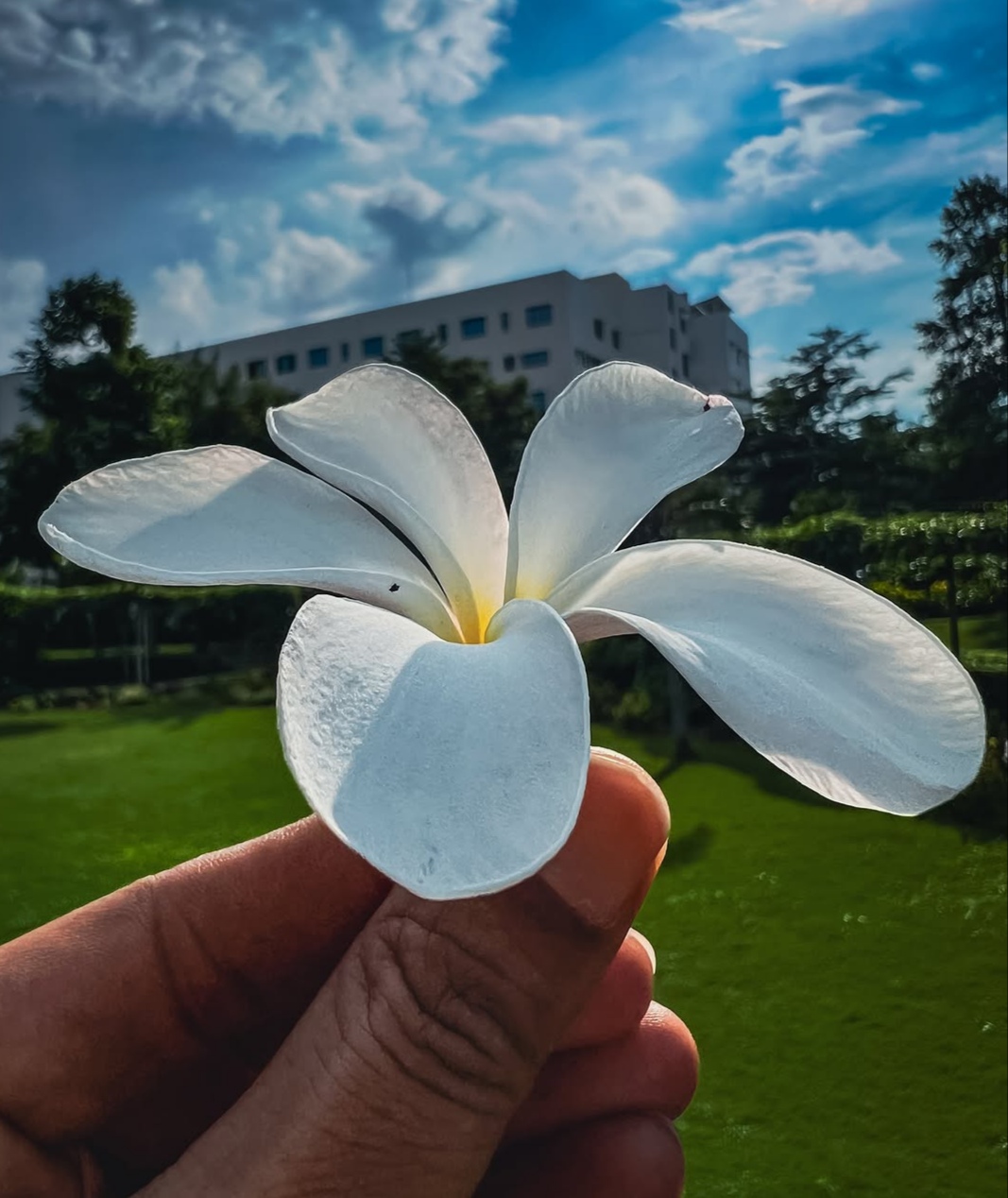
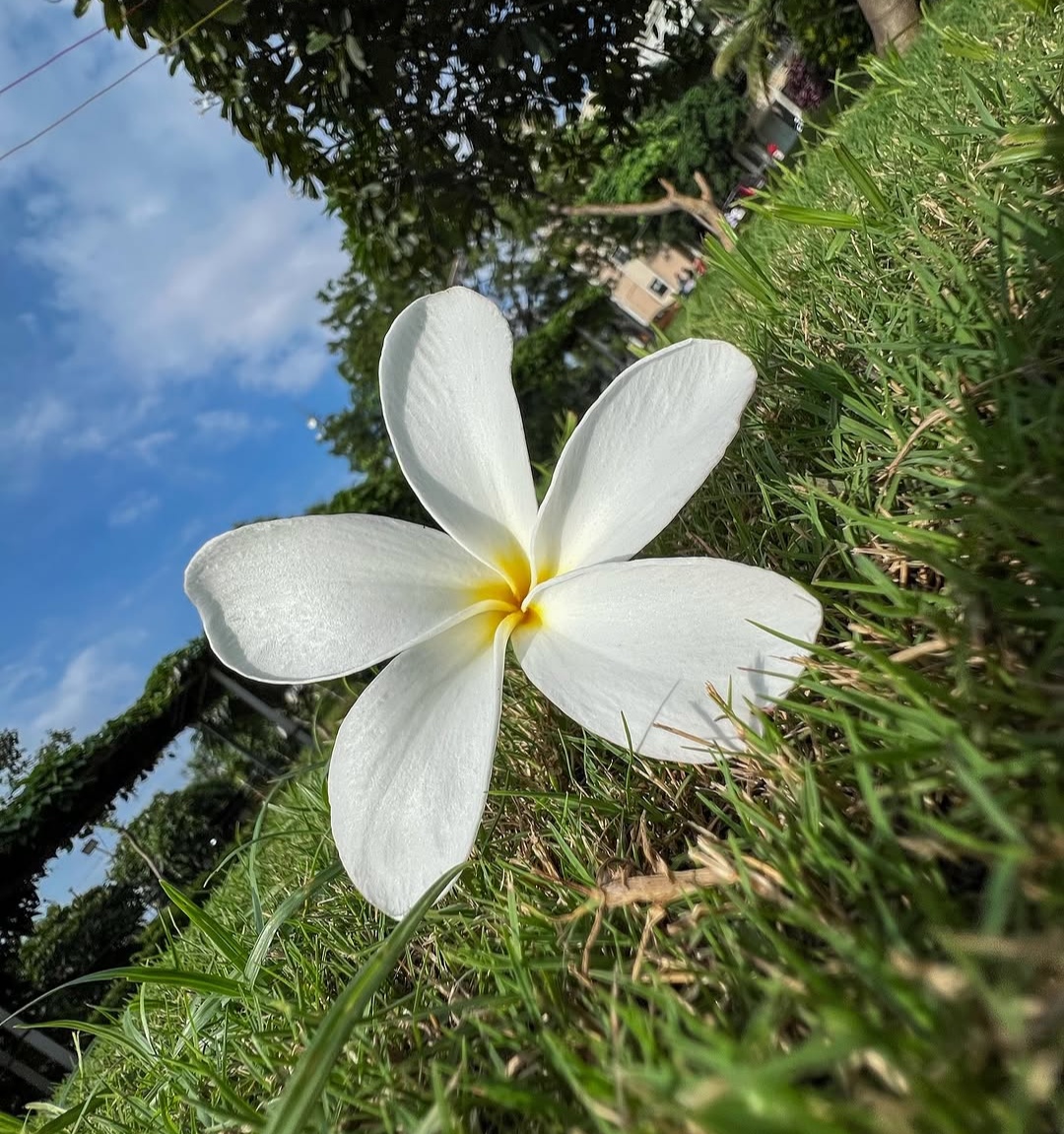
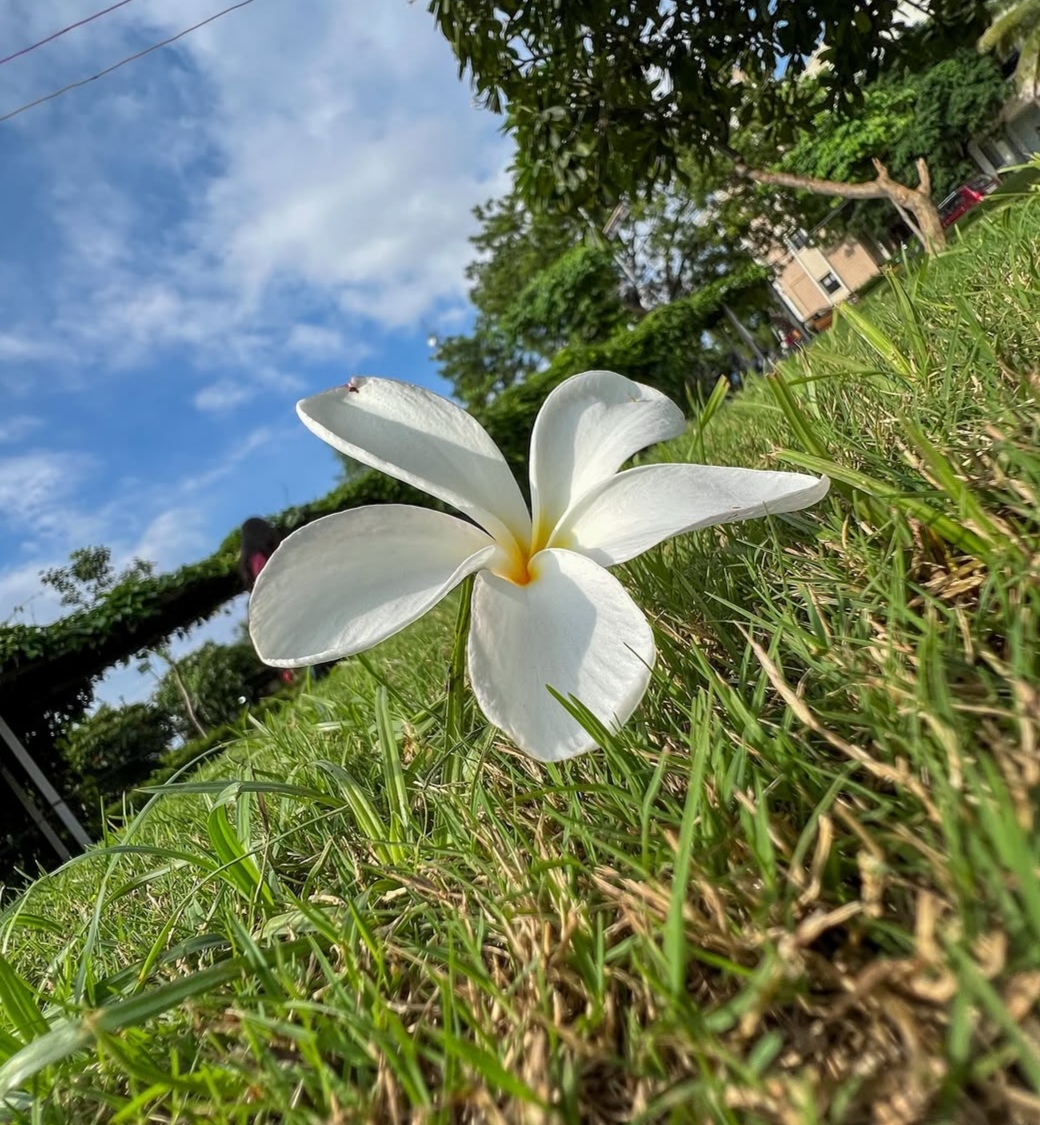
The Singapore graveyard flower is most commonly a species of Plumeria rubra or Plumeria obtusa. It produces striking blossoms with five waxy petals, often arranged in a pinwheel-like form. The colors range from pure white with a yellow center to vibrant shades of pink, red, and even multicolored blends. Their fragrance is sweet and intoxicating, especially at night, which is one reason why they are beloved in gardens, temples, and homes across the tropics.
The plant itself is a small tree or shrub, growing up to 6–8 meters tall with thick, smooth branches and elongated leaves. It thrives in warm climates and sandy or well-drained soil, making it a perfect fit for Singapore’s humid tropical environment.
Cultural and Symbolic Significance Singapore and other parts of Asia, the graveyard flower is often associated with death, mourning, and remembrance. Its frequent presence in cemeteries and memorial grounds is due to its ability to thrive in harsh conditions and its long-lasting flowers. For many, it symbolizes the eternal bond between the living and the departed, serving as a reminder of the cycle of life and death.
Yet, beyond the cemetery, the Plumeria also represents beauty, renewal, and immortality. In Hindu and Buddhist traditions, it is sometimes used in religious offerings and rituals. In other cultures, particularly in the Pacific Islands, plumeria flowers are symbols of love, devotion, and grace. In Hawaii, they are famously used to make fragrant leis.
This dual symbolism—mourning and beauty—makes the Singapore graveyard flower unique, embodying both loss and hope.
Uses and Traditions
Funerary and Memorials: In Singapore, the tree is often planted in graveyards to honor ancestors and provide a peaceful atmosphere.
Decorative: Its blossoms are widely used in garlands, temple offerings, and festive decorations.
Aromatherapy: The flower’s essential oils are valued in perfumery and relaxation therapies due to their calming fragrance.
Symbolic Wear: In some cultures, wearing the flower behind the ear indicates one’s relationship status—right ear for single, left ear for taken.
Botanical Resilience
One reason the Singapore graveyard flower is so widespread is its hardy nature. It can withstand long dry spells, thrives with minimal care, and blooms throughout much of the year. Even when its branches are cut, they can be replanted and easily take root, symbolizing regeneration and continuity.
A Flower of Contrasts
The Singapore graveyard flower is more than just a cemetery bloom. It is a flower of contrasts—life and death, joy and sorrow, resilience and fragility. Its presence in graveyards should not only remind us of loss but also of continuity, the beauty of memory, and the cycles of renewal in nature.
Thanks For Reading
Device Information
| Device | cannon eos 700D |
|---|---|
| Lens | 55-250 zoom leans |
| Location | Bangladesh |