Agrimonia nipponica
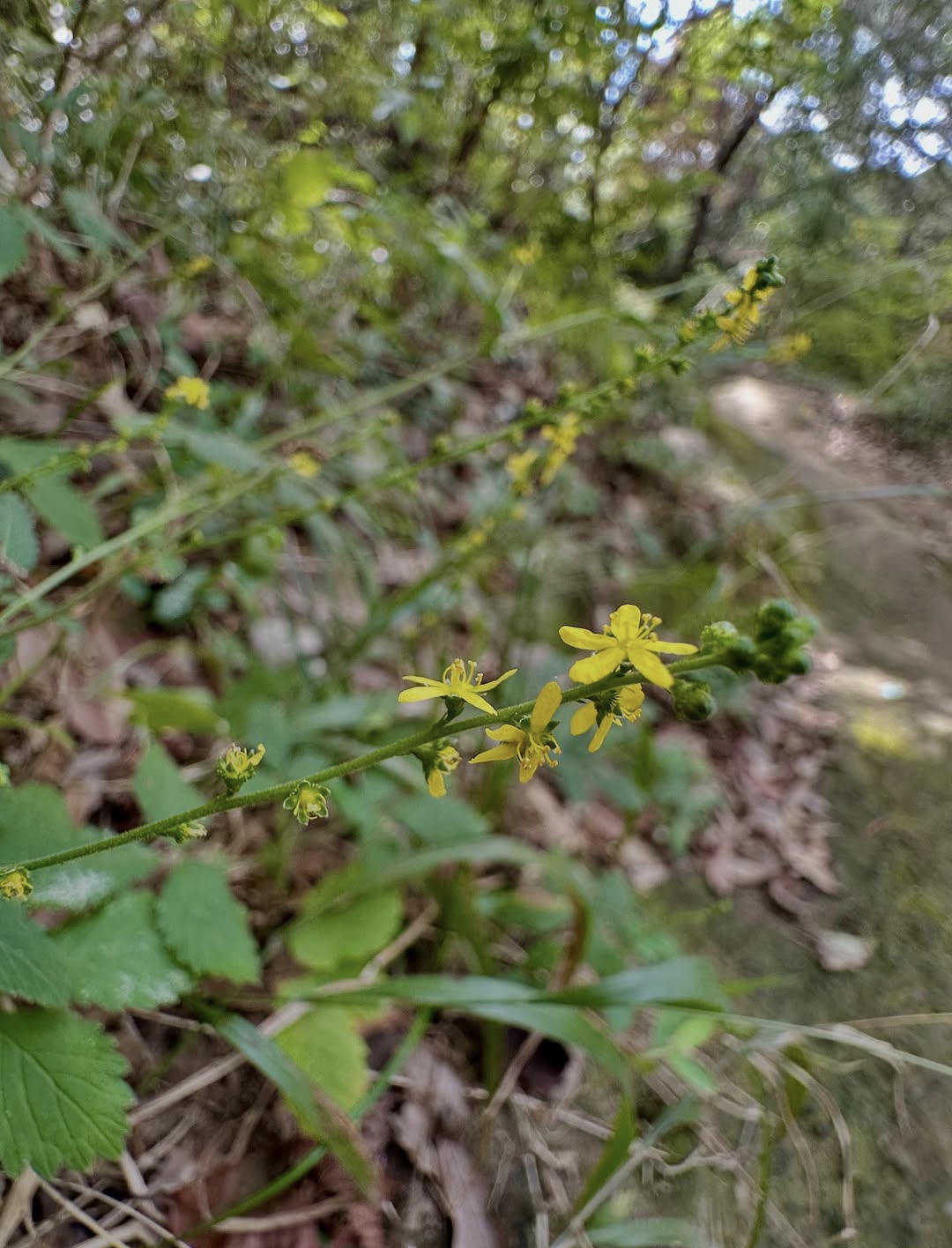
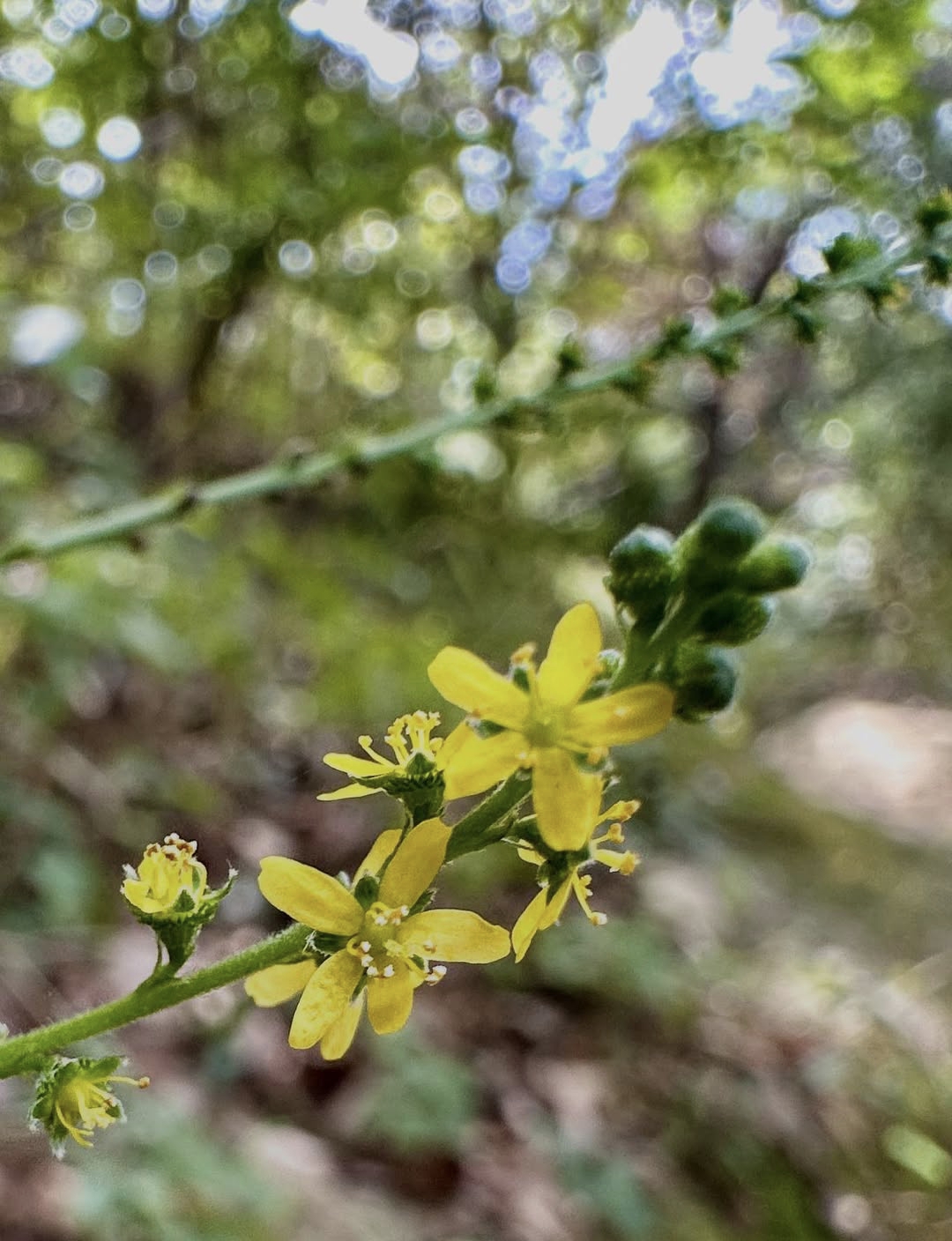
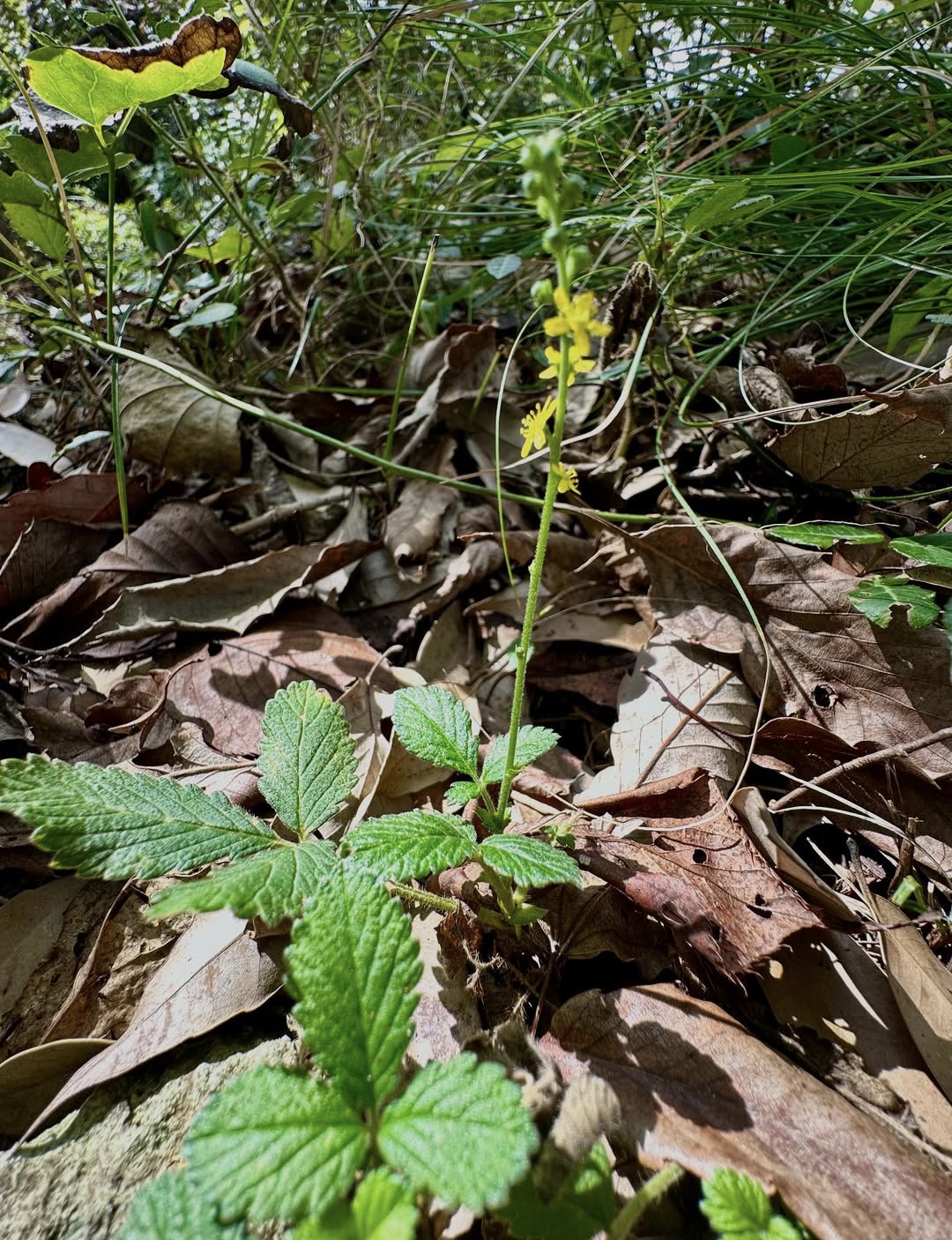
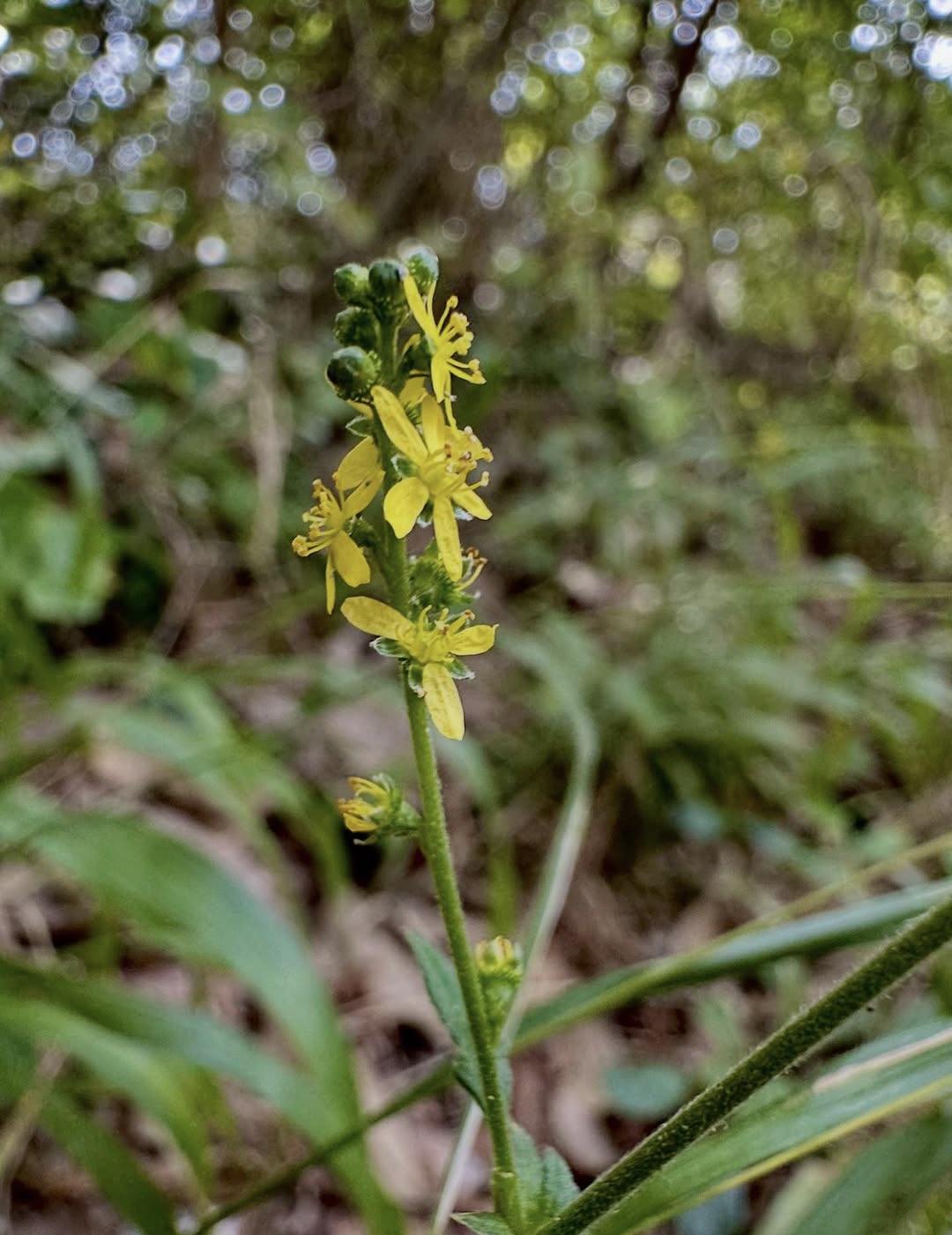
Agrimonia nipponica is a perennial herbaceous plant. It is a member of the agrimony group, which is well known for its medicinal and ornamental values. The plant typically grows to a height of 30 to 80 centimeters and has erect stems that are covered with fine hairs. Its leaves are pinnately compound with serrated margins, giving the plant a distinctive and textured appearance. During the summer months, Agrimonia nipponica produces slender spikes of small yellow flowers, each with five petals that create a delicate yet striking display. These flowers attract pollinators such as bees and butterflies, adding ecological importance to its natural habitats like meadows, forest edges, and grasslands.
In traditional herbal medicine, Agrimonia nipponica has been highly valued for centuries due to its astringent, anti-inflammatory, and digestive properties. Various parts of the plant, especially the aerial portions, are used to prepare herbal teas and decoctions. It has been employed to alleviate ailments such as diarrhea, sore throats, wounds, and gastrointestinal issues. The tannins present in the plant are believed to give it strong astringent qualities, which help in stopping minor bleeding and soothing irritated tissues. In East Asian traditional practices, it is also used as a tonic for improving overall health, balancing the digestive system, and detoxifying the body. Beyond medicinal use, it occasionally finds a place in folk rituals and cultural traditions, symbolizing healing and protection.