Arabian Jasmine: The Fragrant Soul of the Garden
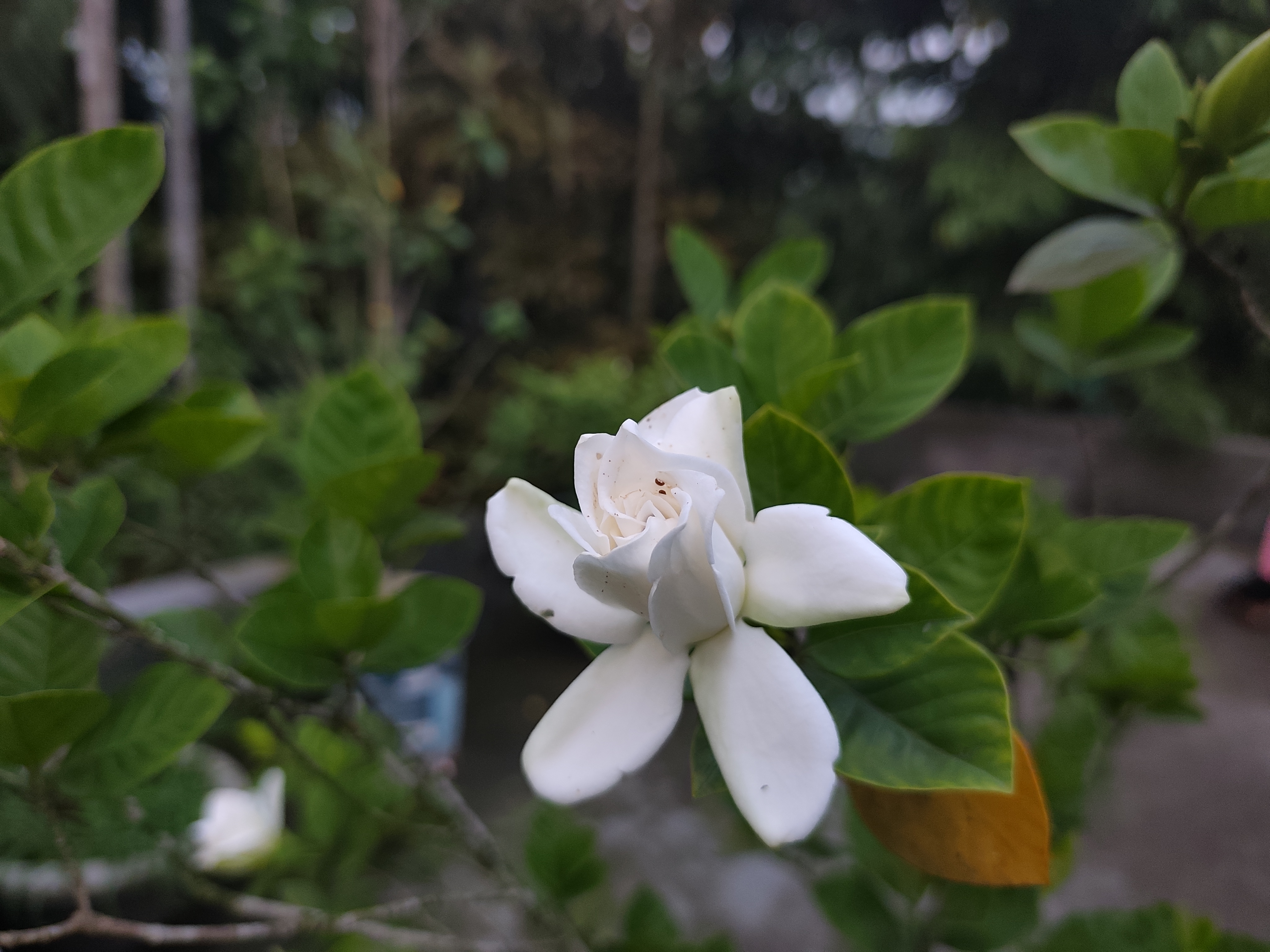
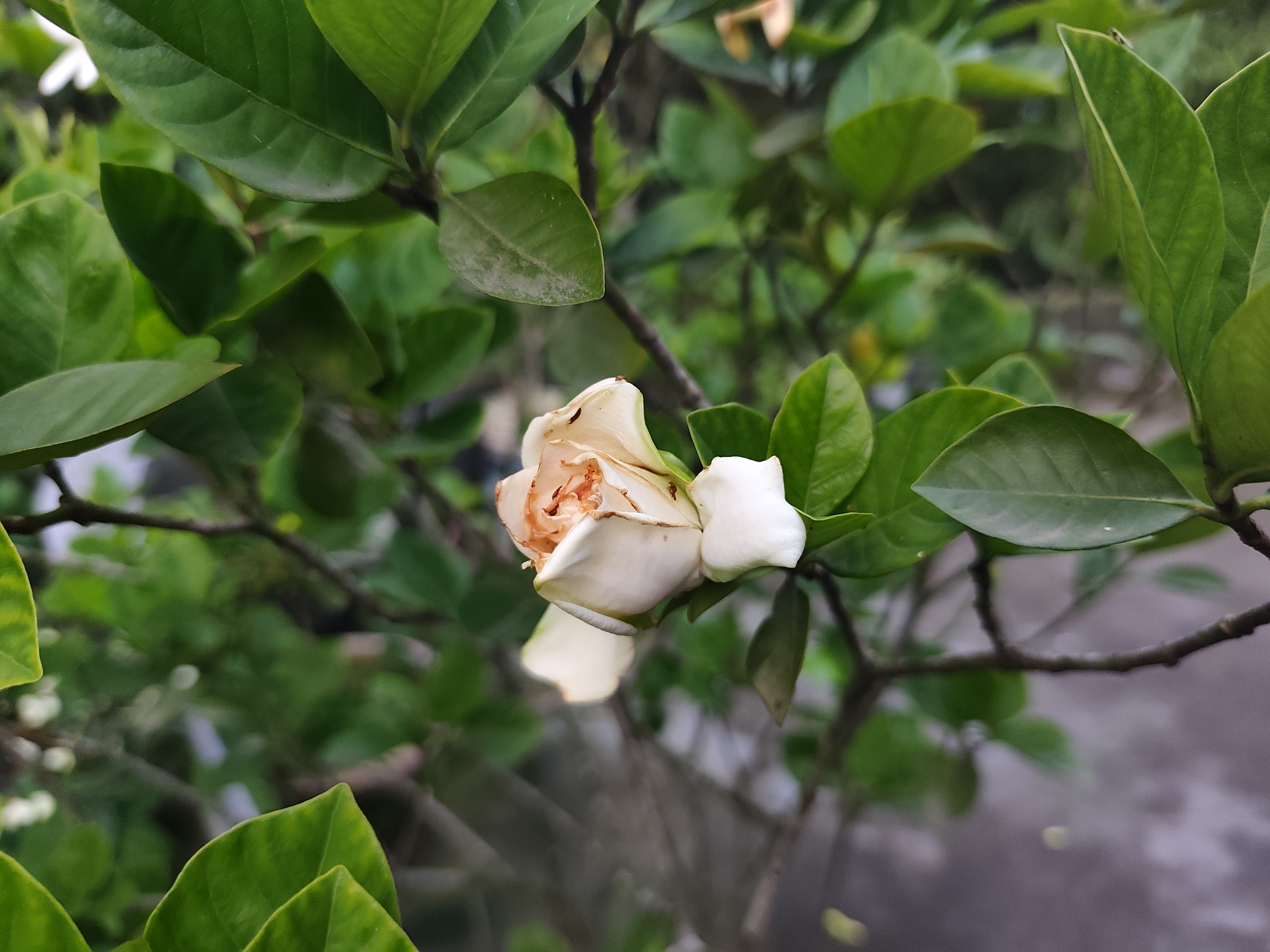
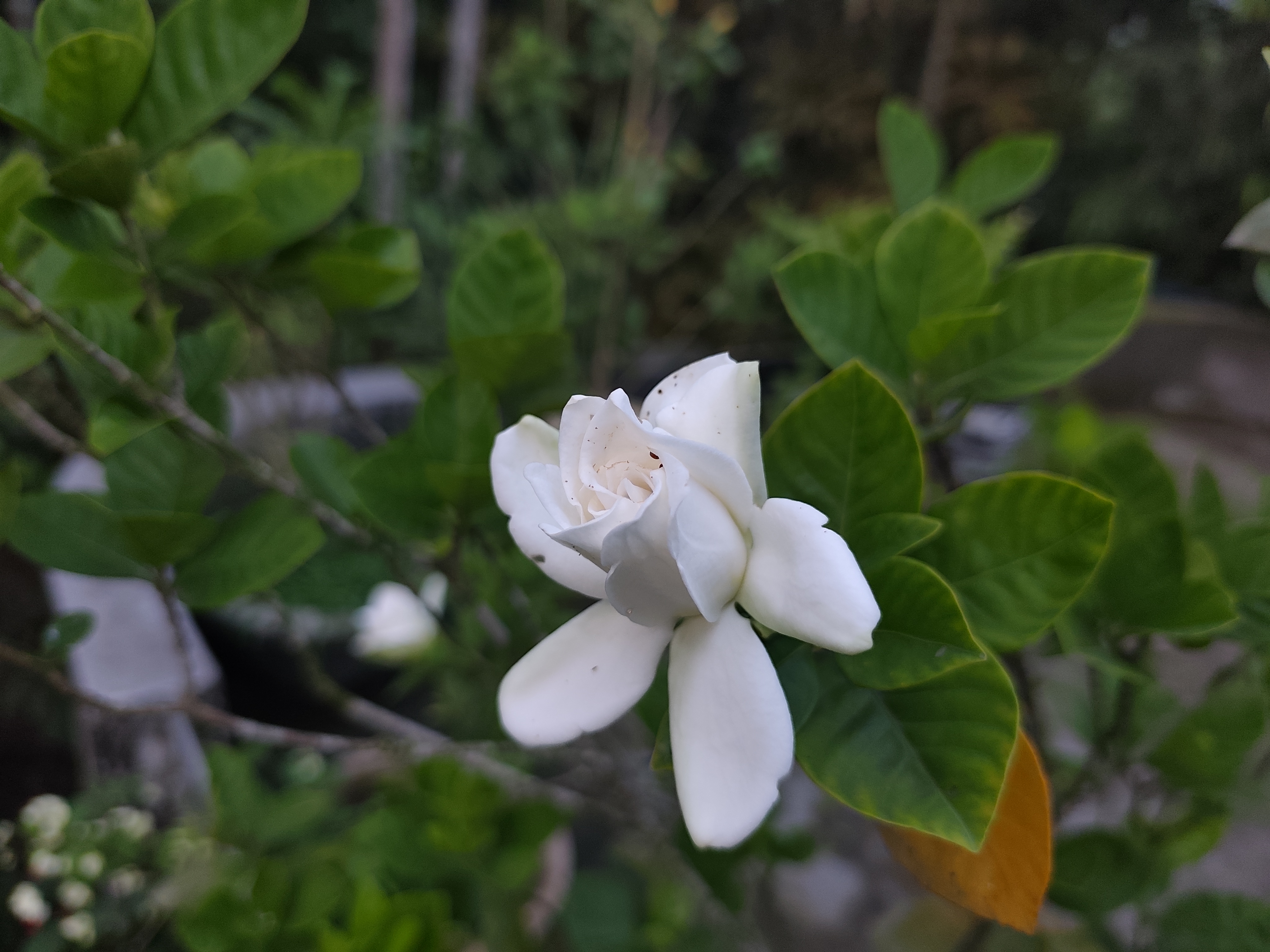
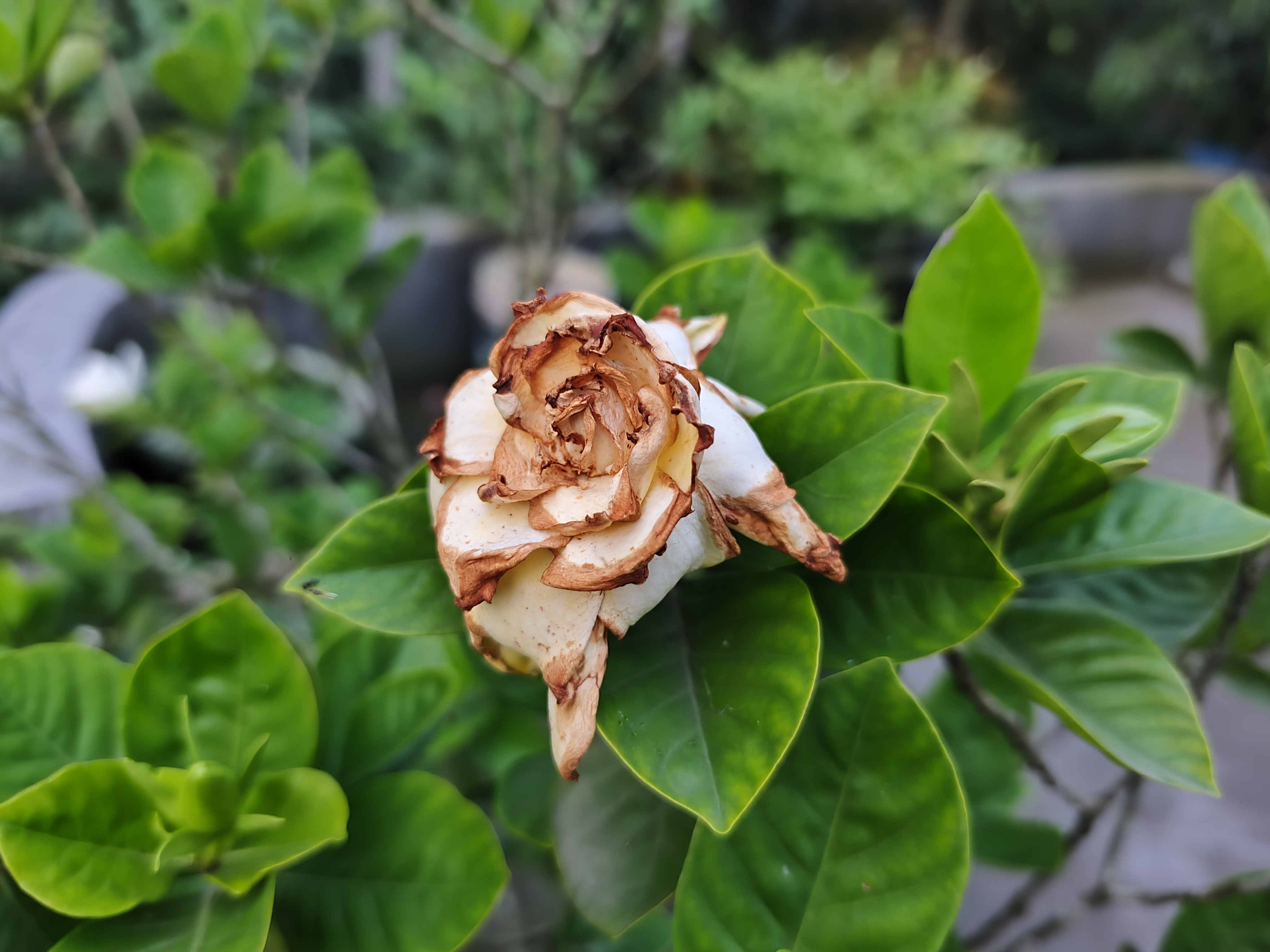
The Arabian jasmine flower, commonly known as Jasminum sambac, is one of the most beloved blossoms in the world. Its small white petals may appear simple at first glance, but the sweet fragrance it carries can fill an entire garden with peace and warmth. Blooming softly beneath the sunlight or moonlit skies, this delicate flower has long been associated with purity, love, and serenity. In many cultures, Arabian jasmine is more than just a flower—it is a symbol of grace woven into daily life.
One of the most enchanting qualities of Arabian jasmine is its perfume-like scent. The fragrance becomes especially strong during the evening, drifting gently through the air like a quiet melody. People often plant it near windows, pathways, or courtyards so its aroma can naturally flow through the home. The scent has a calming effect on the heart and mind, making peaceful evenings feel even more comforting. Its beauty is not loud or dramatic; instead, it speaks softly through fragrance and simplicity.
The flower also carries deep cultural and emotional significance. In many Asian countries, Arabian jasmine is used in garlands, religious ceremonies, and traditional celebrations. Brides often wear jasmine flowers in their hair as a symbol of beauty and purity. The blossoms are also used to make fragrant tea and natural perfumes, showing how closely this flower is connected to human traditions and memories. Even a single bloom resting in a small bowl of water can brighten a room with elegance.
Arabian jasmine plants thrive in warm climates and bloom generously with proper sunlight and care. Their glossy green leaves create a lovely contrast against the bright white petals, making the plant attractive even when not flowering. Bees and butterflies are naturally drawn to the blossoms, adding life and movement to the garden. Watching the flowers sway gently in the breeze brings a feeling of calm that many people cherish after long, busy days.