Cogon Grass — The Quiet Fire of the Fields
The Cogon grass may seem like an ordinary presence at first glance, stretching across open lands with its slender blades and silvery plumes. Yet, beneath its simplicity lies a quiet intensity. When the wind moves through a field of cogon grass, it creates a soft, shimmering wave—like a silent conversation between earth and sky. It does not bloom in bright colors or dramatic shapes, but it holds a subtle beauty that asks you to look a little longer, a little deeper.Cogon grass is known for its resilience. It thrives in places where other plants struggle—dry fields, disturbed soils, and forgotten landscapes. Its roots run deep and strong, allowing it to return again and again, even after fire or harsh conditions. In many ways, it symbolizes endurance without complaint. It reminds us that survival is not always loud or visible; sometimes, it is a quiet persistence beneath the surface, a steady will to continue.
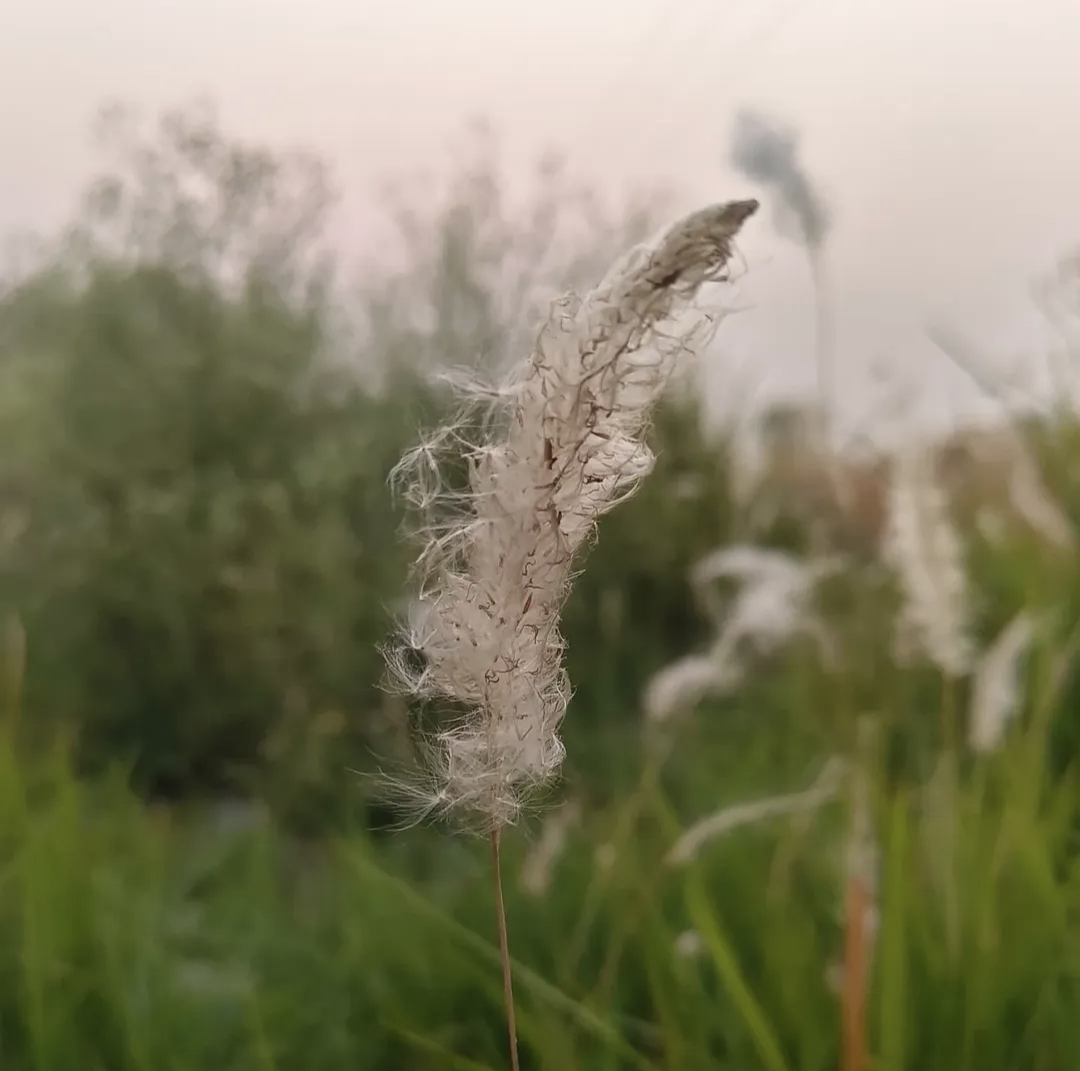
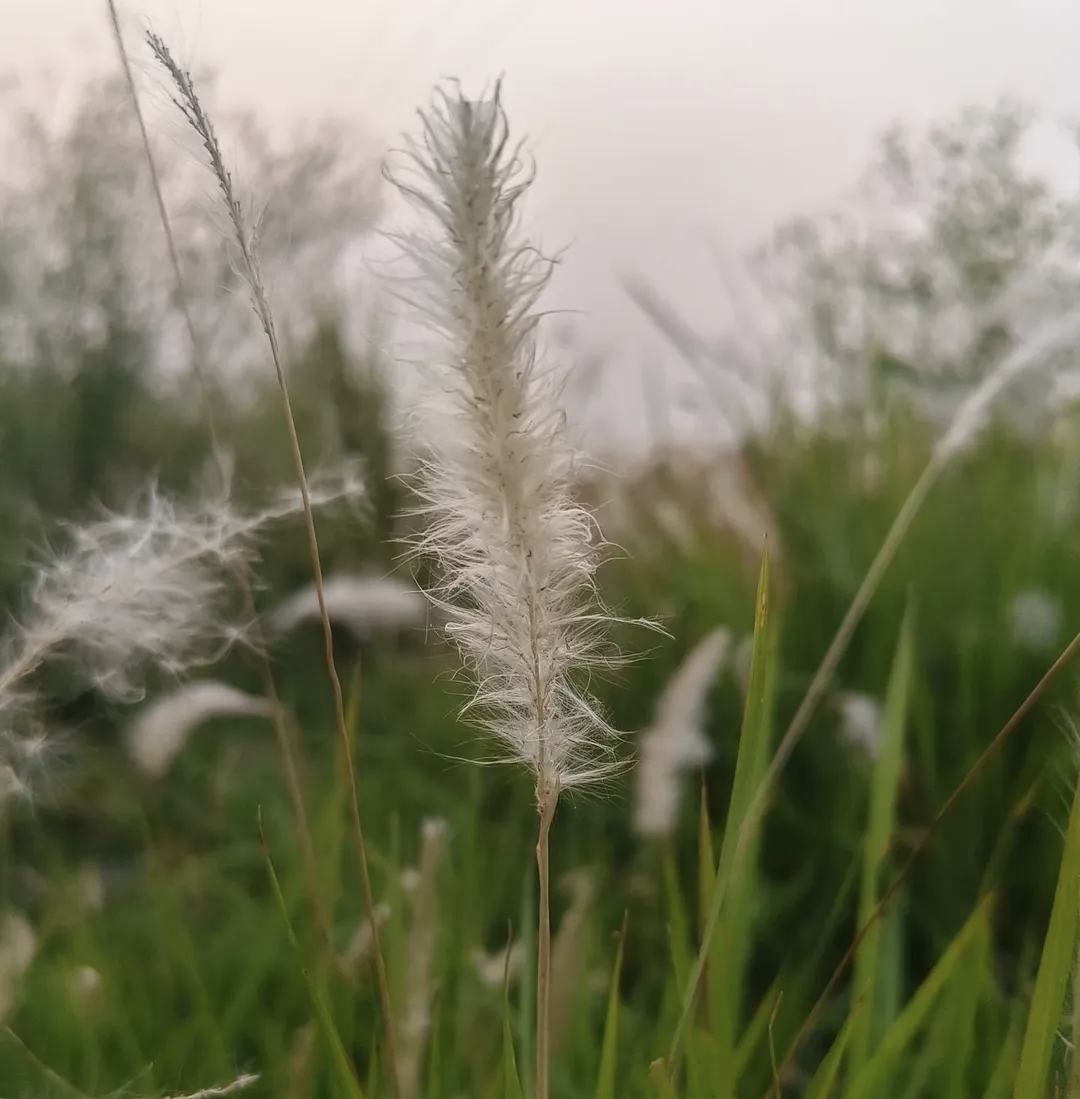
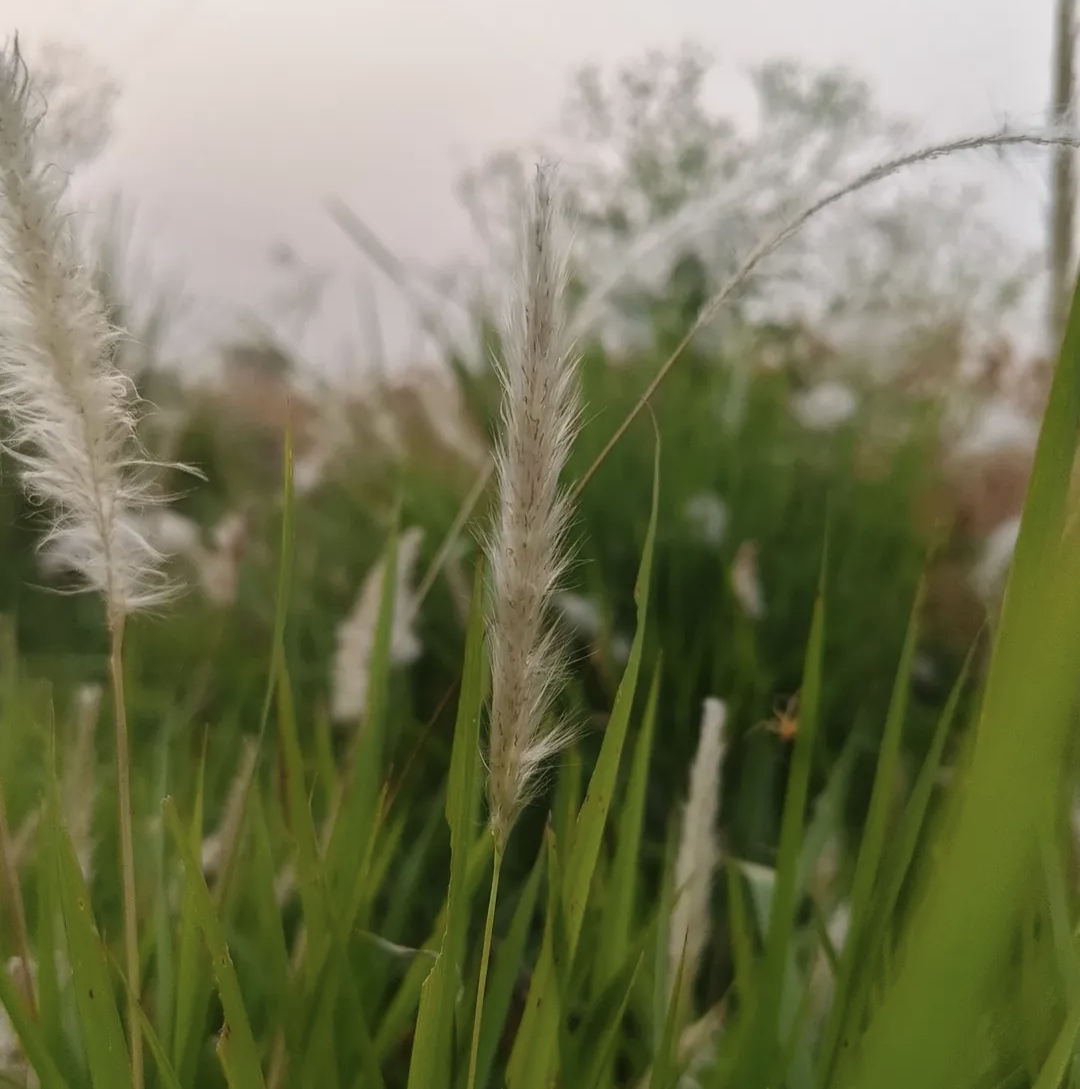
There is also a certain wildness to cogon grass that cannot be tamed. It spreads freely, claiming space with an almost unstoppable energy. While this can make it invasive in some regions, it also reflects a natural force that resists control. It speaks of nature’s independence—its refusal to be fully shaped by human hands. In that wild growth, there is both a warning and a wonder, reminding us of the balance we must maintain with the world around us.In rural landscapes, cogon grass often becomes part of daily life. It may be used for thatching roofs, feeding animals, or simply marking the rhythm of the seasons as it changes with the wind. Its presence is woven into memory—the sight of open fields glowing softly at sunset, the gentle rustle that accompanies quiet afternoons. It becomes more than just a plant; it becomes part of a lived experience.
Device Information
| Device | Redmi 13 Pro |
|---|---|
| Lens | No Lens |
| Edit | Pixlab |
| Captured by | @handsomecho |