Hibiscus Flower: The Graceful Bloom of Tropical Beauty
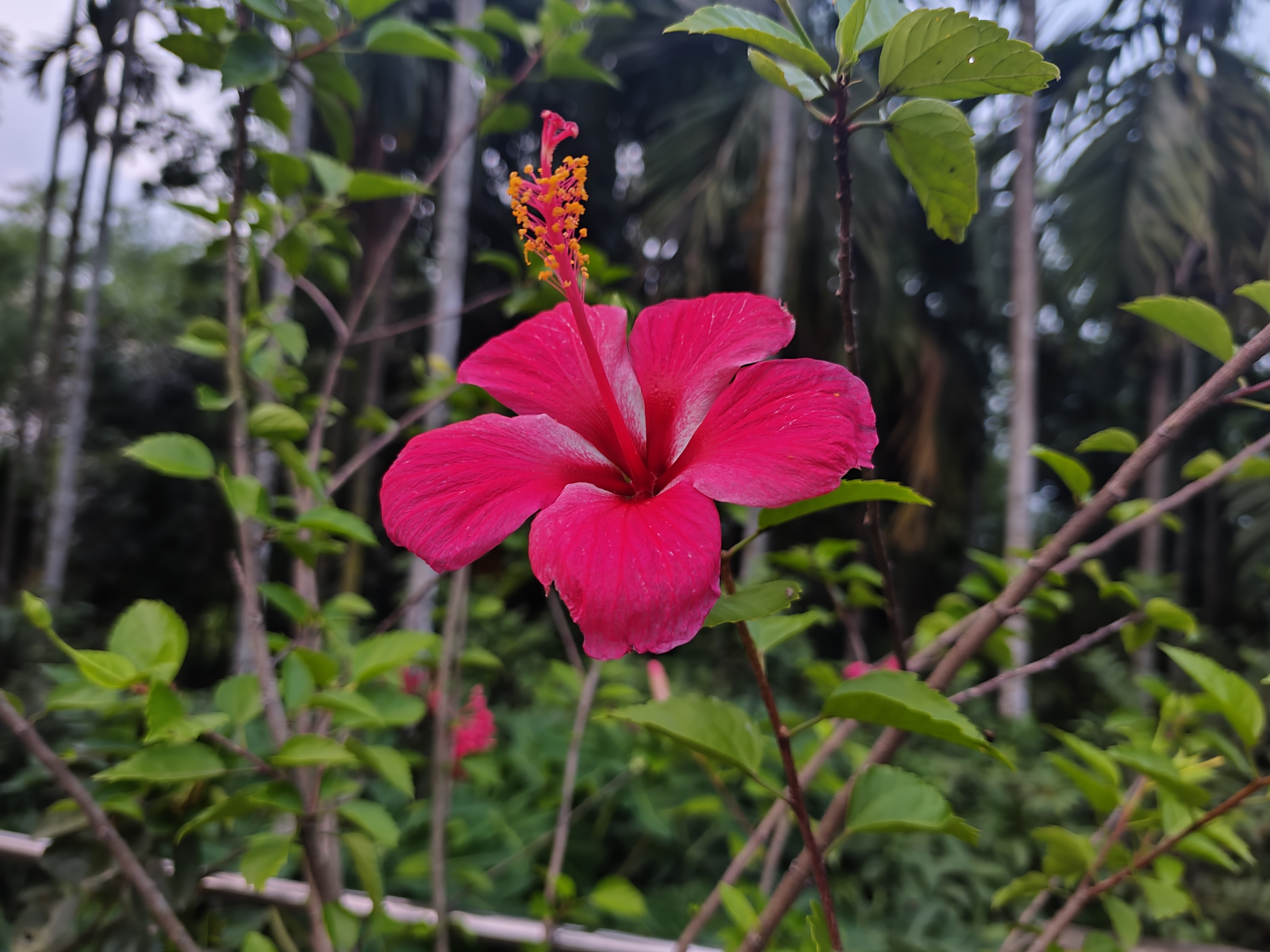
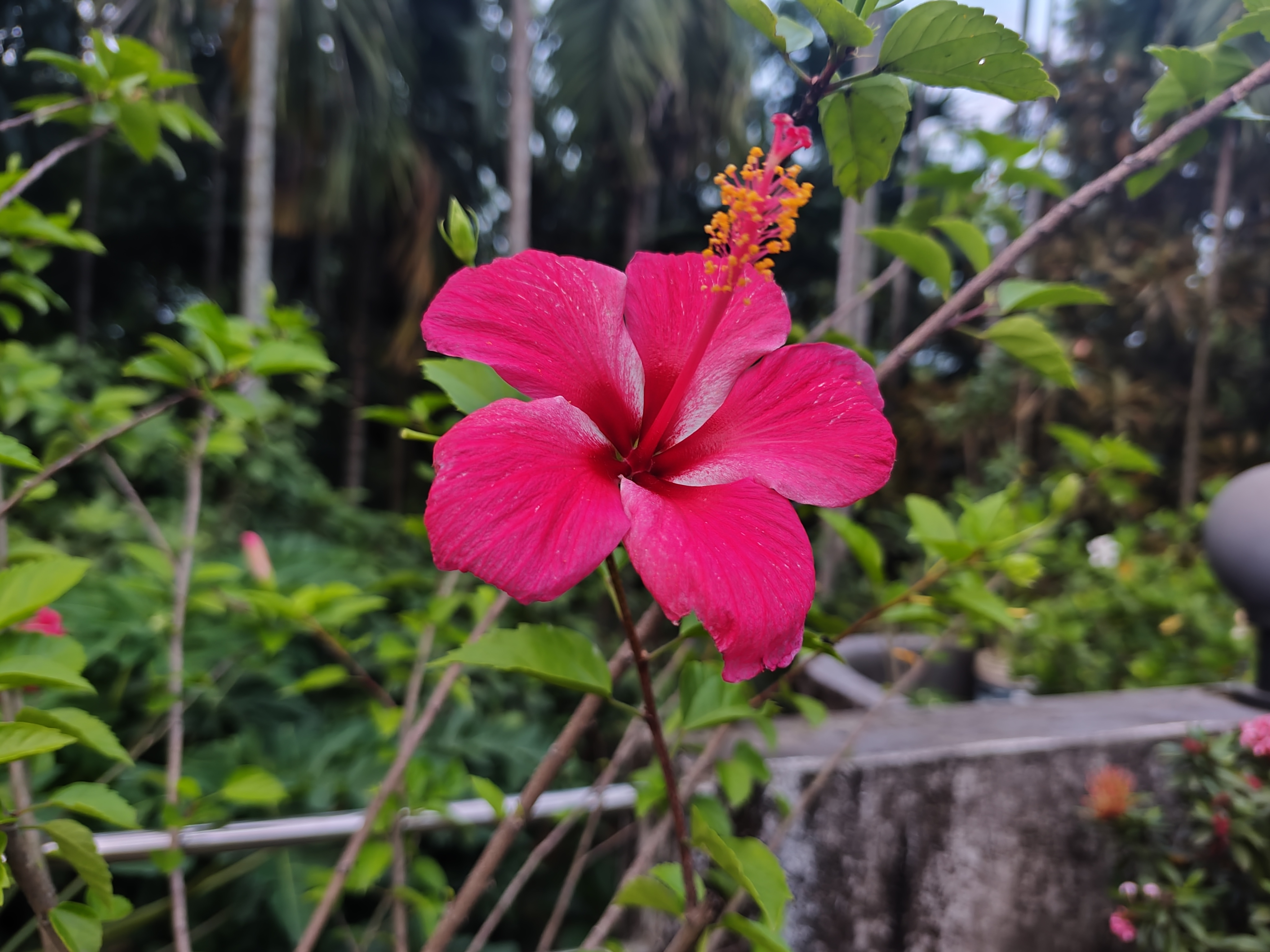
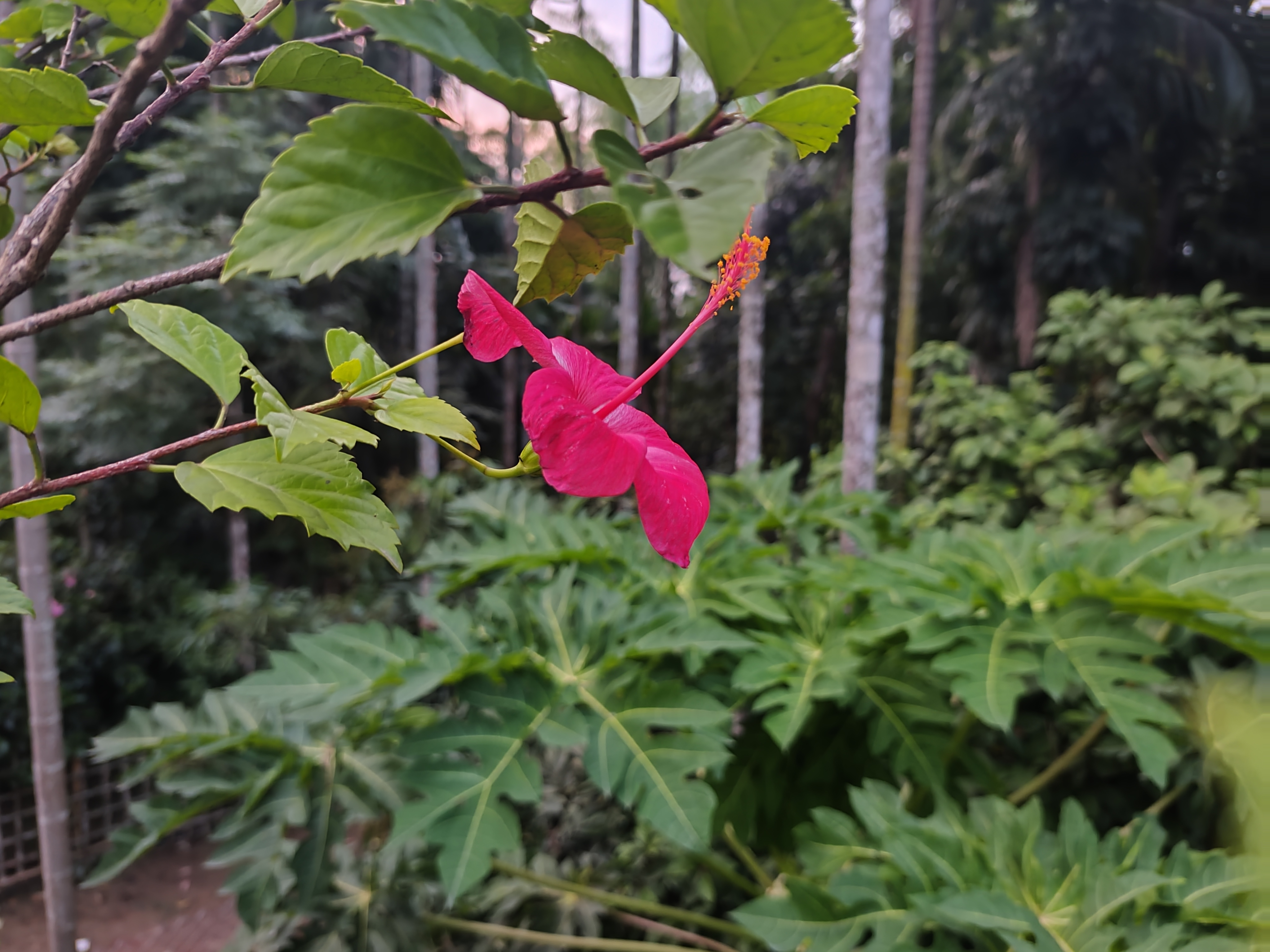
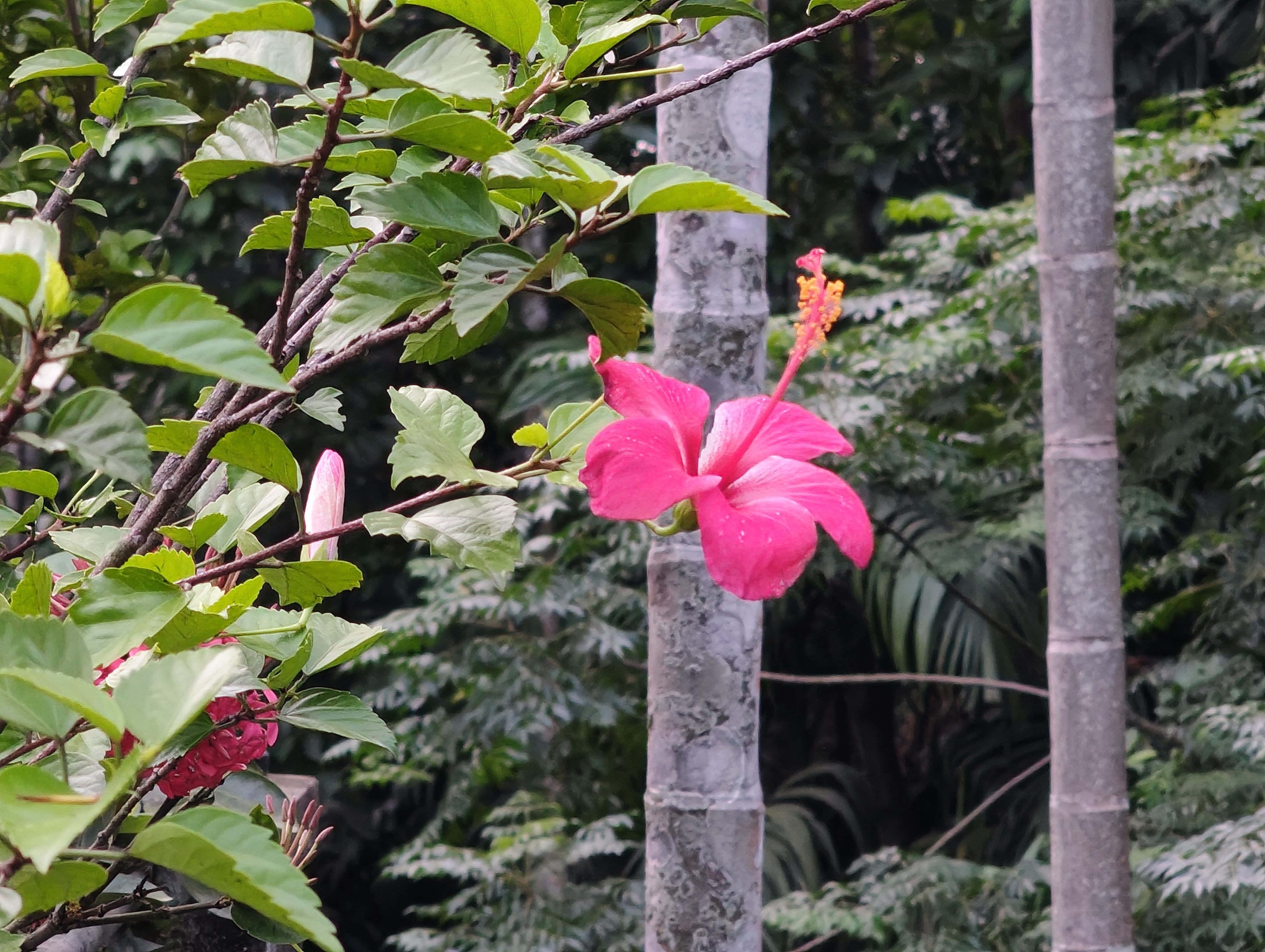
The Hibiscus flower is one of the most admired blooms in the world, celebrated for its large, colorful petals and striking appearance. Found in vibrant shades of red, pink, yellow, orange, and white, this tropical flower brings a sense of warmth and beauty wherever it grows. Its delicate petals and elegant shape make it a favorite in gardens, parks, and home landscapes, where it stands out as a symbol of natural charm.
One of the most fascinating qualities of the Hibiscus flower is its rich cultural significance. In many countries, it represents beauty, love, and hospitality. The bright red hibiscus, in particular, is often associated with passion and vitality. Whether used in traditional ceremonies, decorations, or as a simple garden plant, the flower carries a timeless appeal that connects people with nature and tradition.
Beyond its visual beauty, the Hibiscus flower is also known for its resilience. It flourishes under warm sunlight and continues to produce blooms throughout much of the year. Each flower may last only a short time, but the plant constantly offers new blossoms, creating an ongoing display of color and life. This cycle serves as a gentle reminder that renewal and growth are always possible.
Hibiscus flowers contribute greatly to the environment by attracting pollinators such as butterflies, bees, and hummingbirds. Their nectar-rich blooms provide nourishment for these important creatures, helping to support local ecosystems. Watching butterflies flutter around a hibiscus plant adds a special touch of life and movement to any garden, making the flower even more delightful to grow.