Jasmine Flower: The Fragrance of Quiet Love
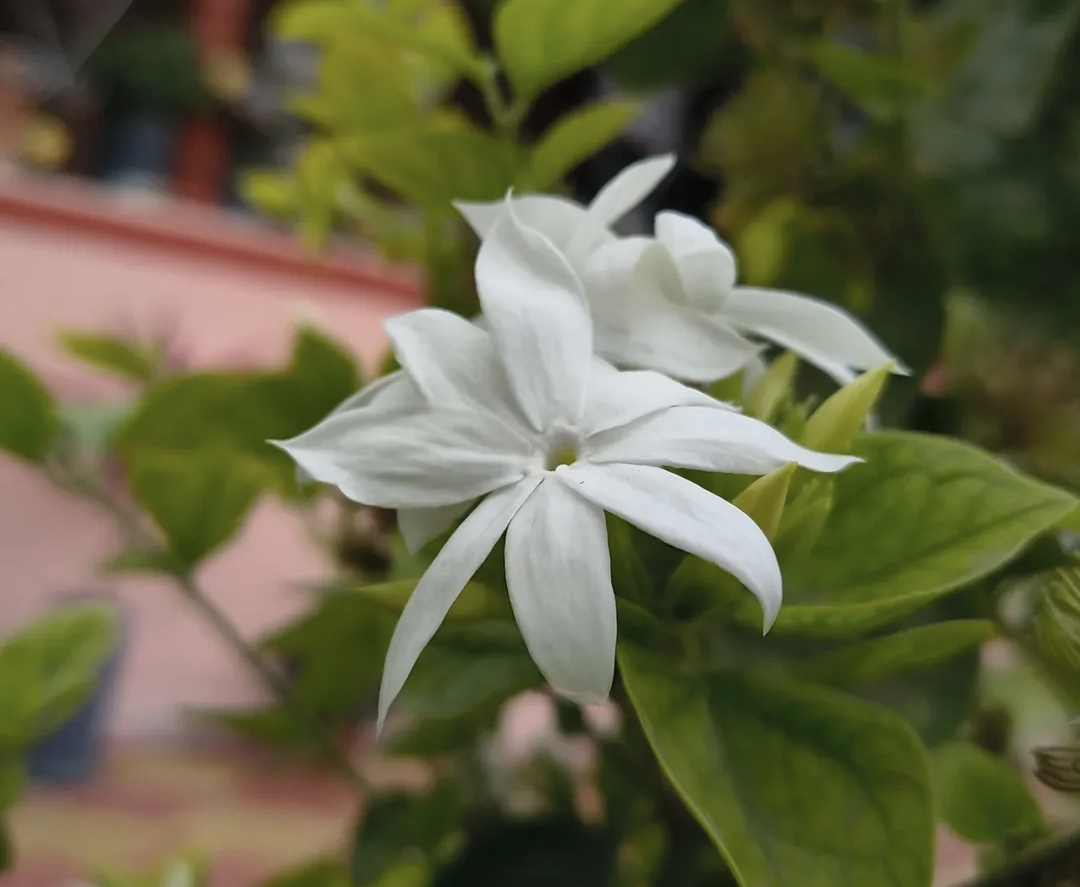
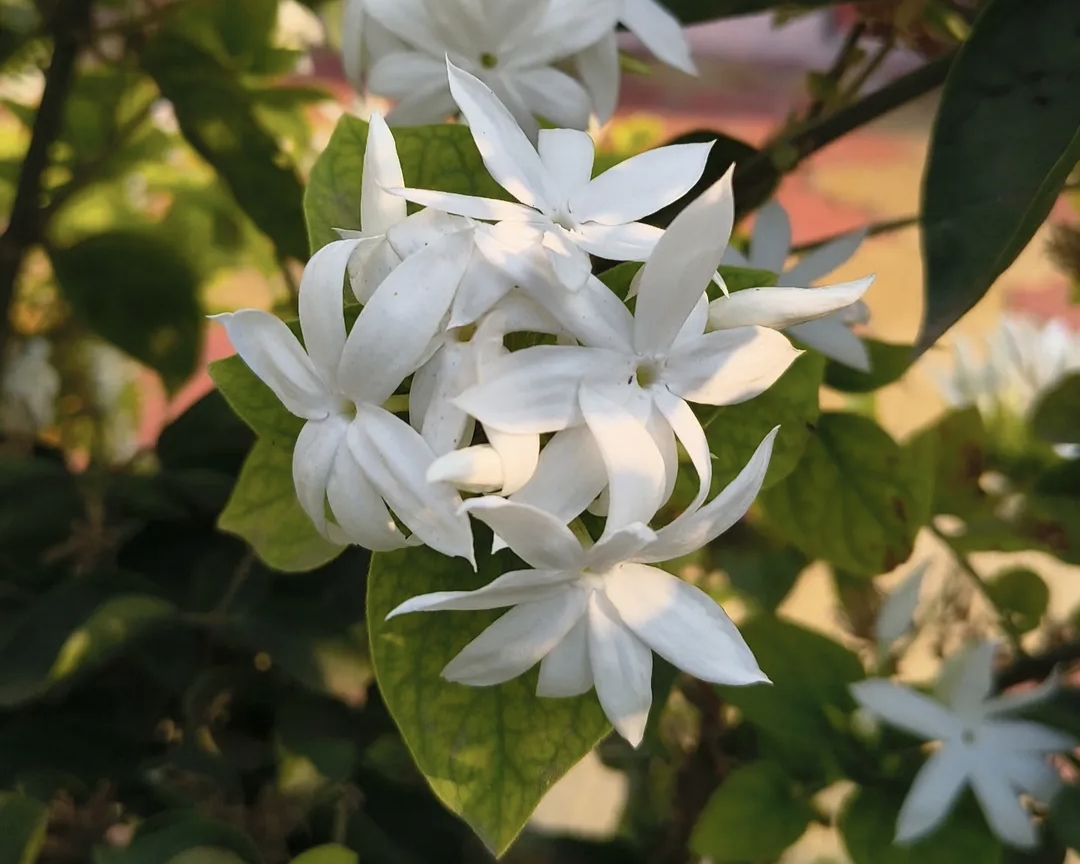
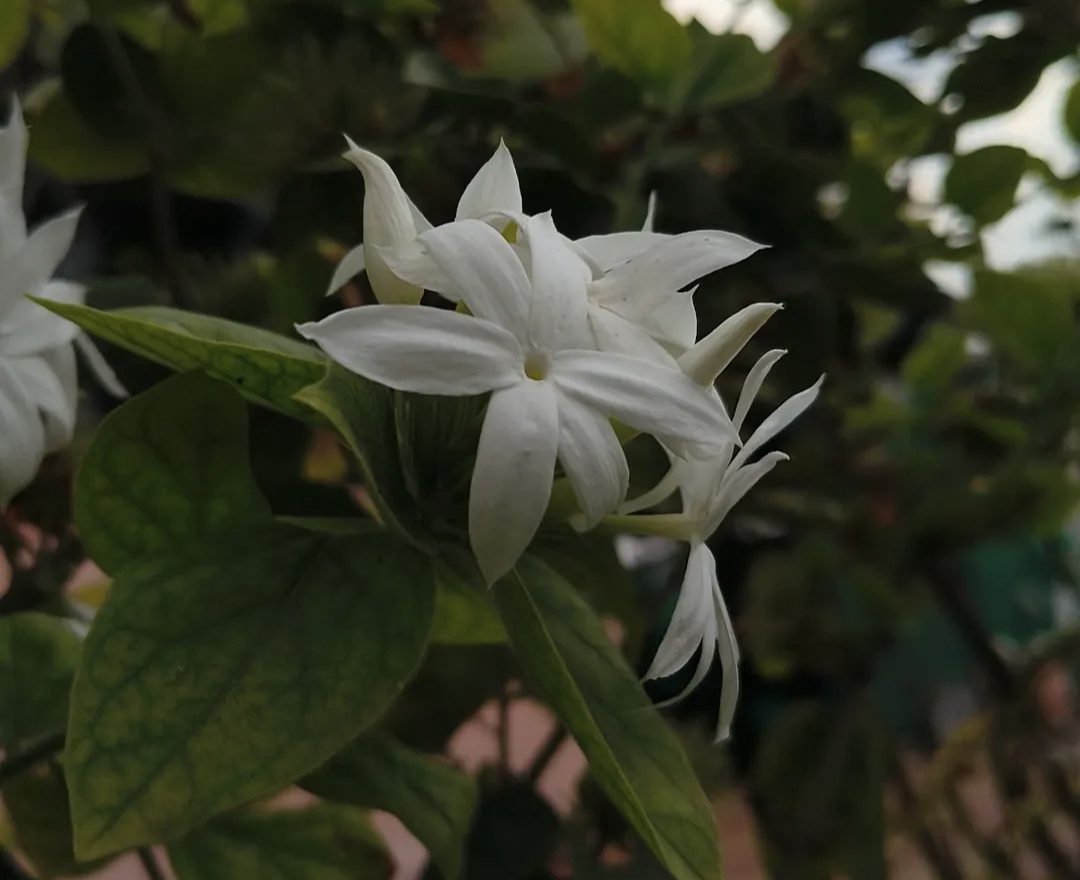
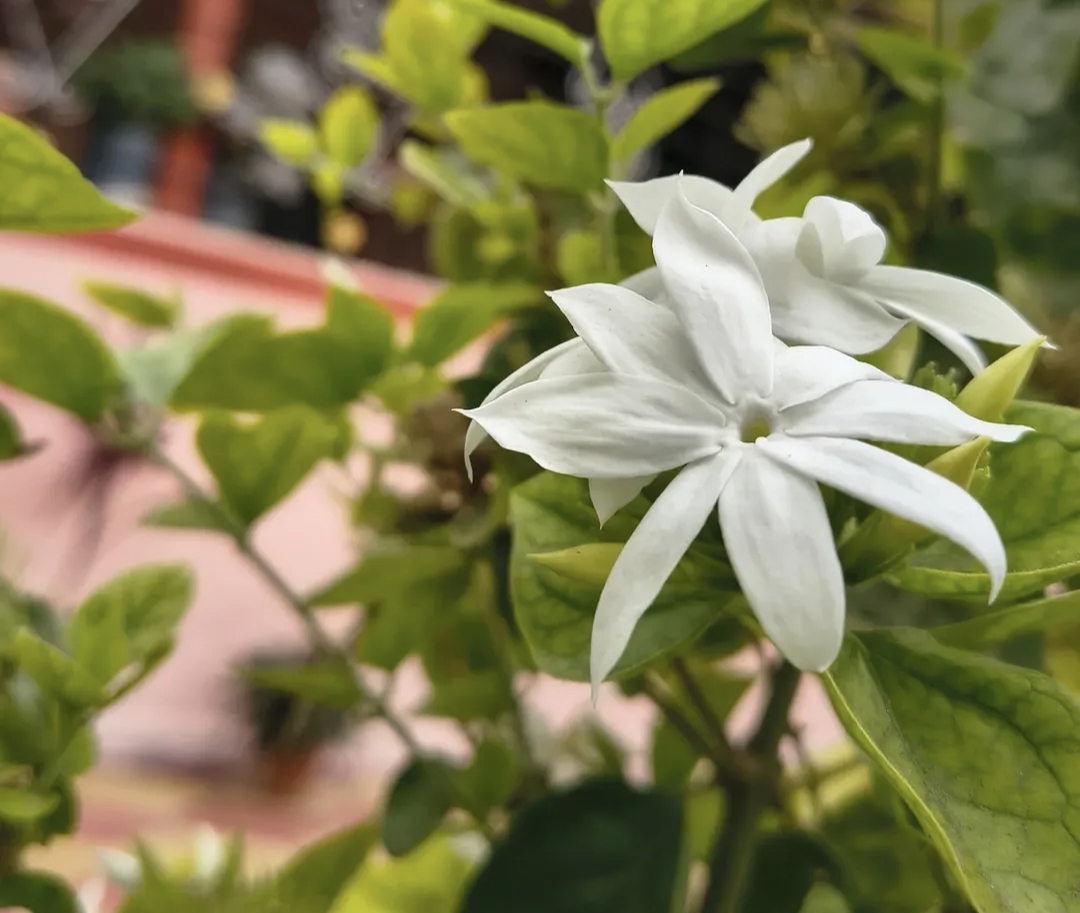
Few flowers carry the gentle poetry of the Jasmine, known botanically as Jasminum. Its small, star-shaped blossoms may seem modest at first glance, but their fragrance tells a deeper story—one that lingers in the air long after the flower itself has faded. Unlike bold, showy blooms, jasmine does not seek attention through color or size. Instead, it speaks softly through scent, inviting those nearby to pause, breathe, and feel.
Jasmine thrives in warm climates, often blooming under the soft glow of evening. There is something almost mystical about the way its fragrance intensifies at night, as if it belongs to quiet moments rather than busy daylight. In gardens, courtyards, and even simple clay pots, jasmine vines weave their way upward, teaching a subtle lesson about growth—slow, patient, and deeply rooted in its surroundings.
Across cultures, jasmine holds a special place in the human heart. It is a symbol of love, purity, and serenity in many traditions. In South Asia, its blossoms are woven into garlands for weddings and festivals, adorning hair and sacred spaces alike. In other parts of the world, jasmine represents grace and elegance, often used in perfumes and teas. Its presence is rarely loud, but always meaningful—like a memory that quietly returns.
There is also a deeper human truth hidden in jasmine’s nature. Its beauty is not meant to overwhelm but to comfort. It reminds us that not all impact needs to be visible; sometimes, the most powerful presence is the one we feel rather than see. Like a kind word spoken softly, jasmine leaves an impression that endures without demanding recognition.
Device Information
| Device | Redmi 13 Pro |
|---|---|
| Lens | No Lens |
| Edit | Pixlab |
| Captured by | @handsomecho |