Plumeria: The Quiet Fragrance of Memory and Belonging
There is something deeply human about the way the plumeria flower exists—soft, unassuming, yet impossible to ignore. Its petals, often creamy white edged with yellow or blushing shades of pink, seem to hold sunlight within them. The fragrance is gentle but persistent, drifting through warm air like a memory you didn’t know you were carrying. In many parts of the world, plumeria is not just a flower; it is a feeling—one that speaks of home, of stillness, of moments that linger long after they pass.
Plumeria blooms in places where the sun is generous and the air is thick with life. It grows on trees that appear almost bare at times, their twisted branches reaching outward like open arms. And then, suddenly, the flowers arrive—effortless, radiant, as if they were always meant to be there. There is a quiet lesson in this: beauty does not always come from abundance. Sometimes it emerges from resilience, from standing patiently through dry seasons until the moment of blooming arrives.
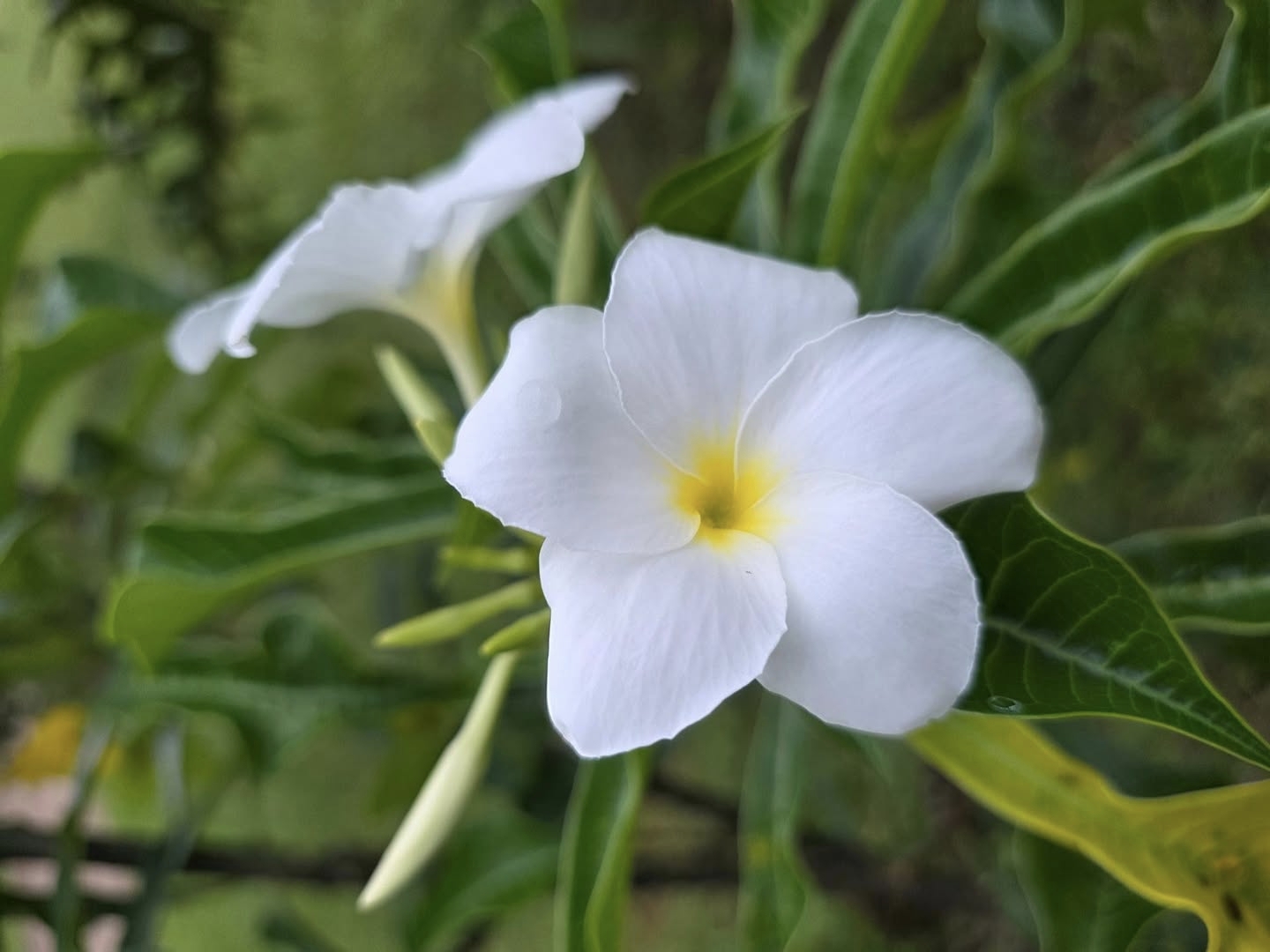
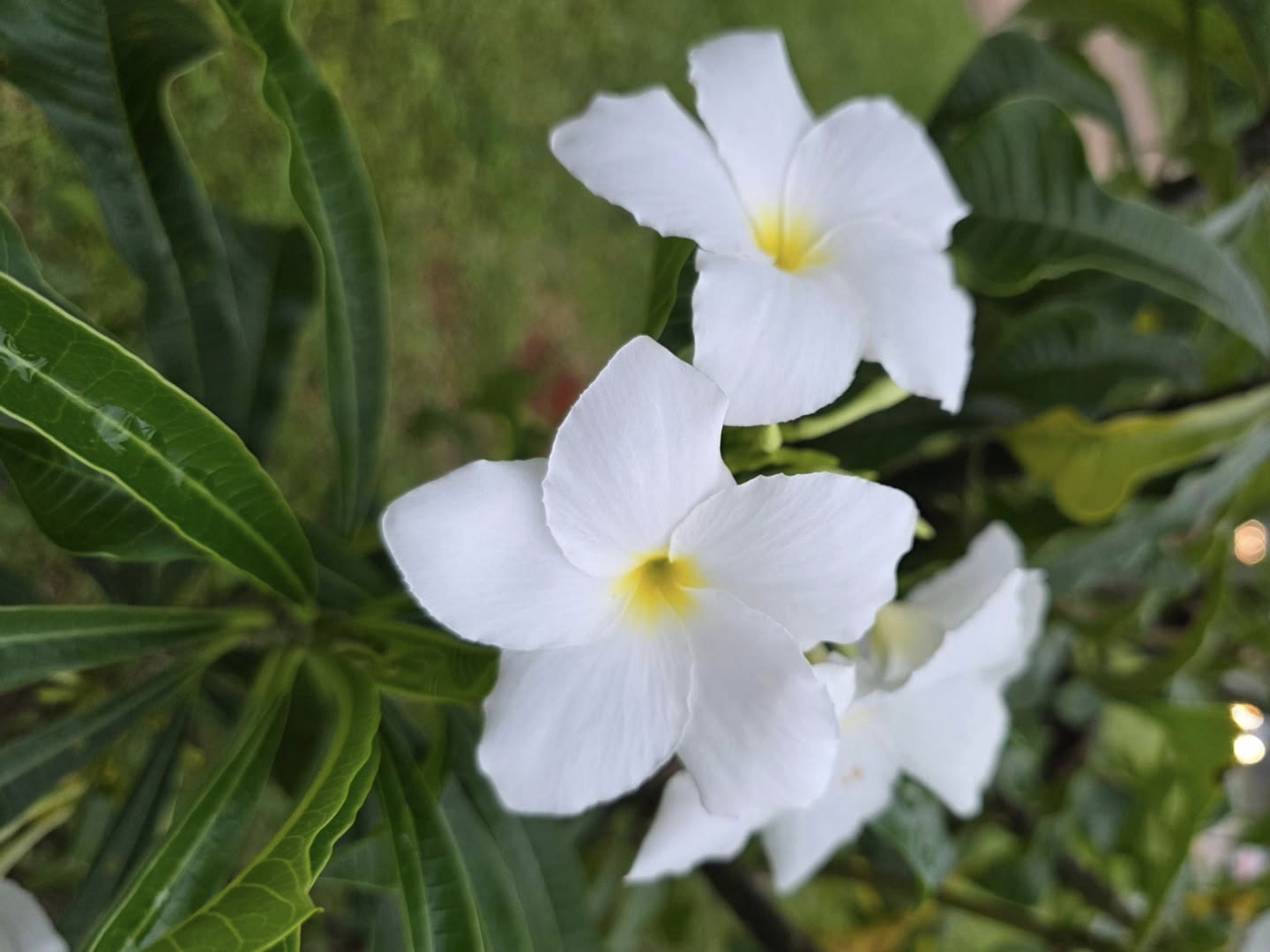
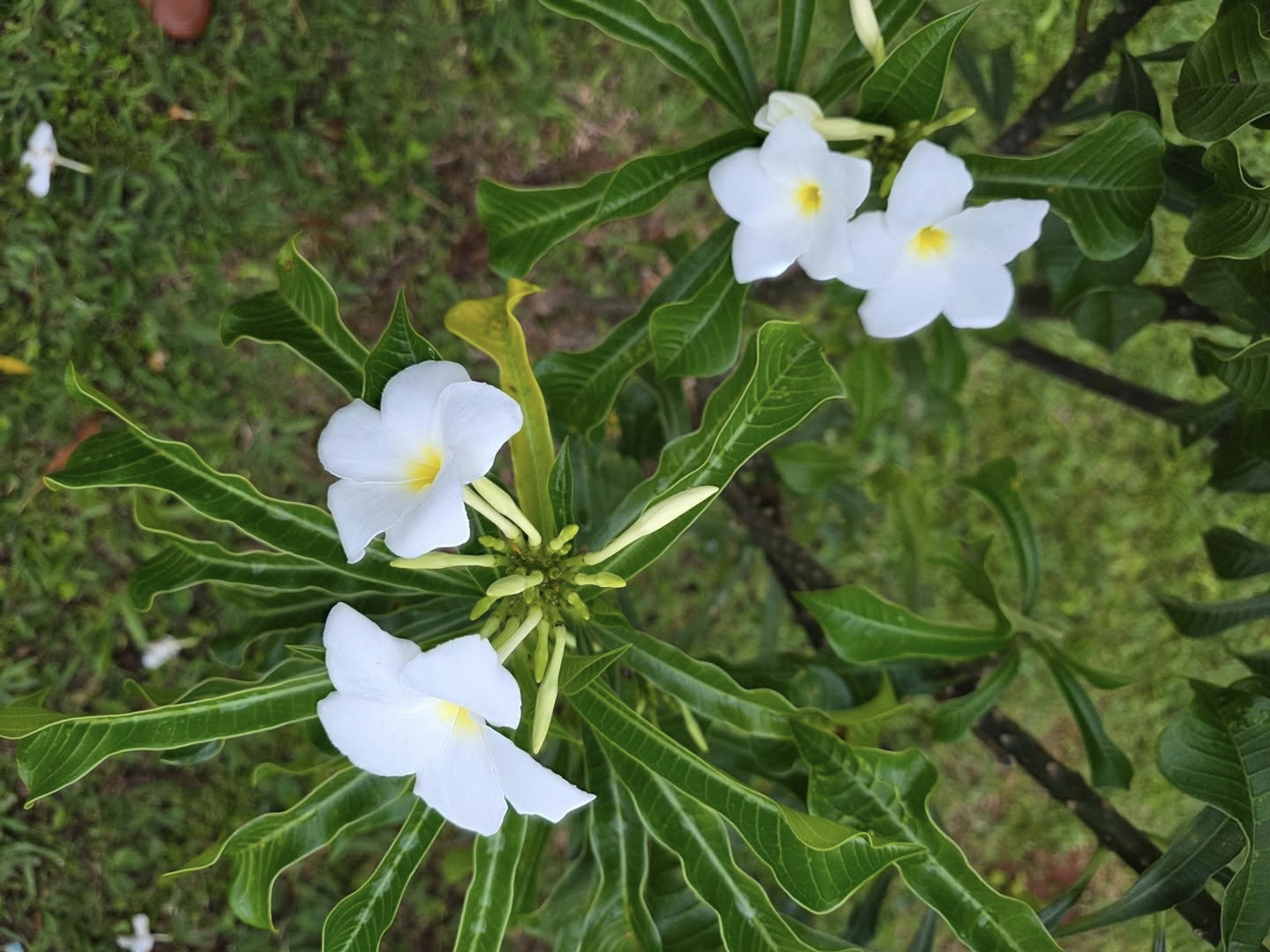
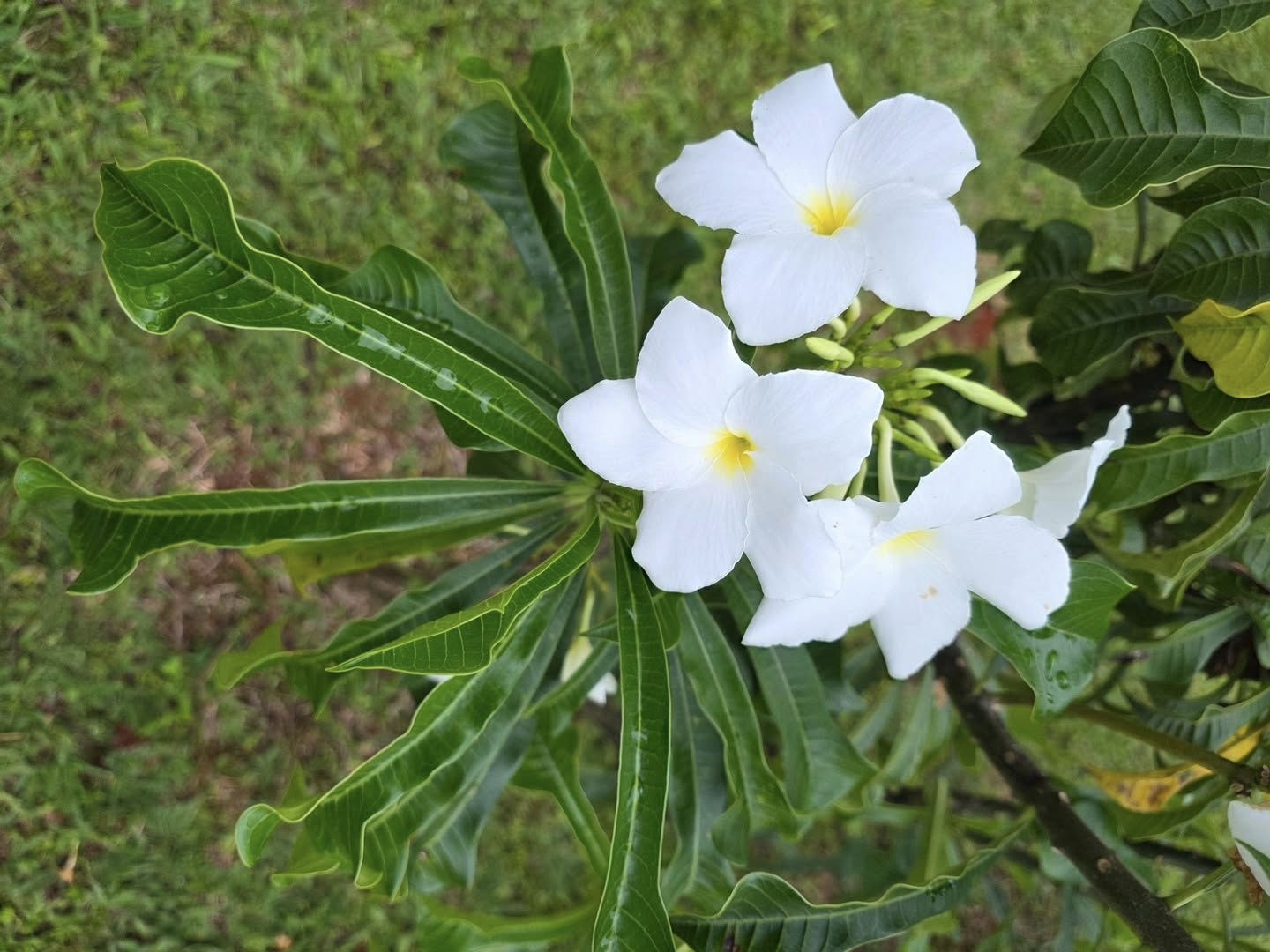
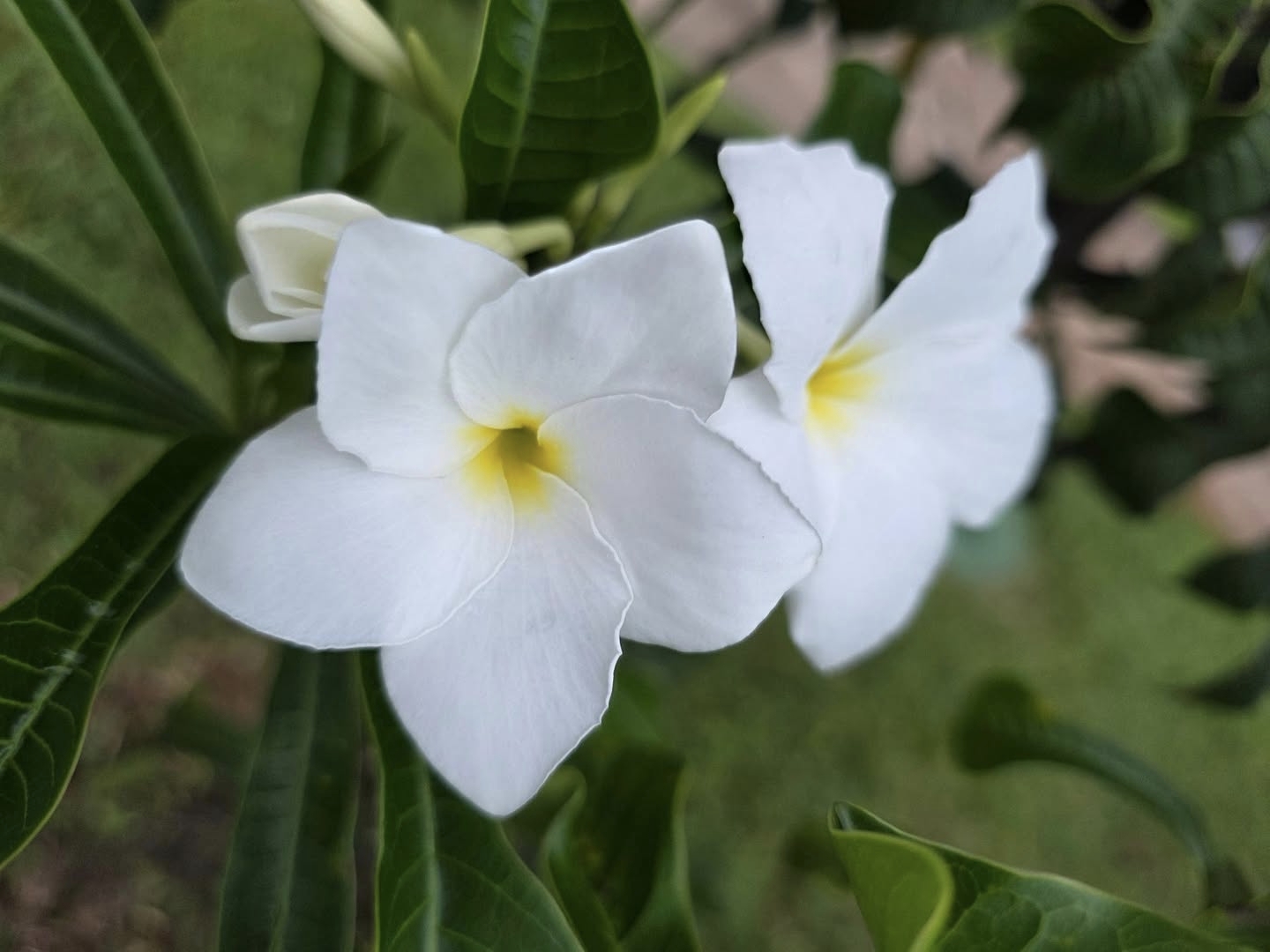
In many cultures, the plumeria carries deep symbolic meaning. It is often associated with love, devotion, and the continuity of life. In some traditions, it is used in rituals and offerings, while in others, it is woven into garlands or worn behind the ear as a simple expression of grace. Yet beyond these meanings, there is something universally understood about the flower. It reminds us of connection—how small, delicate things can carry immense emotional weight.
What makes the plumeria especially human is its relationship with memory. Its scent has a way of transporting people—back to childhood gardens, to quiet afternoons, to places they may never return to but still carry within them. Unlike louder, more dramatic blooms, the plumeria does not demand attention. Instead, it invites reflection. It asks us to pause, to notice, to breathe a little more deeply.
Device Information
| Device | Redmi 13 Pro |
|---|---|
| Lens | No Lens |
| Edit | Pixlab |
| Captured by | @handsomecho |