Ornamental Cherry Flowers: A Symphony of Spring in Your Garden
When winter finally loosens its grip, there’s nothing quite as exhilarating as the first burst of pink and white blossoms that herald the arrival of spring. Ornamental cherry trees (Prunus × yedoensis, Prunus sargentii, and countless hybrids) are the stars of this seasonal drama, offering garden lovers a spectacular, fleeting display that feels almost magical.
If you’ve ever dreamed of a garden that turns heads on blossom‑filled mornings, read on—here’s everything you need to know about cultivating, appreciating, and styling these beloved beauties.
- Why Choose Ornamental Cherries?
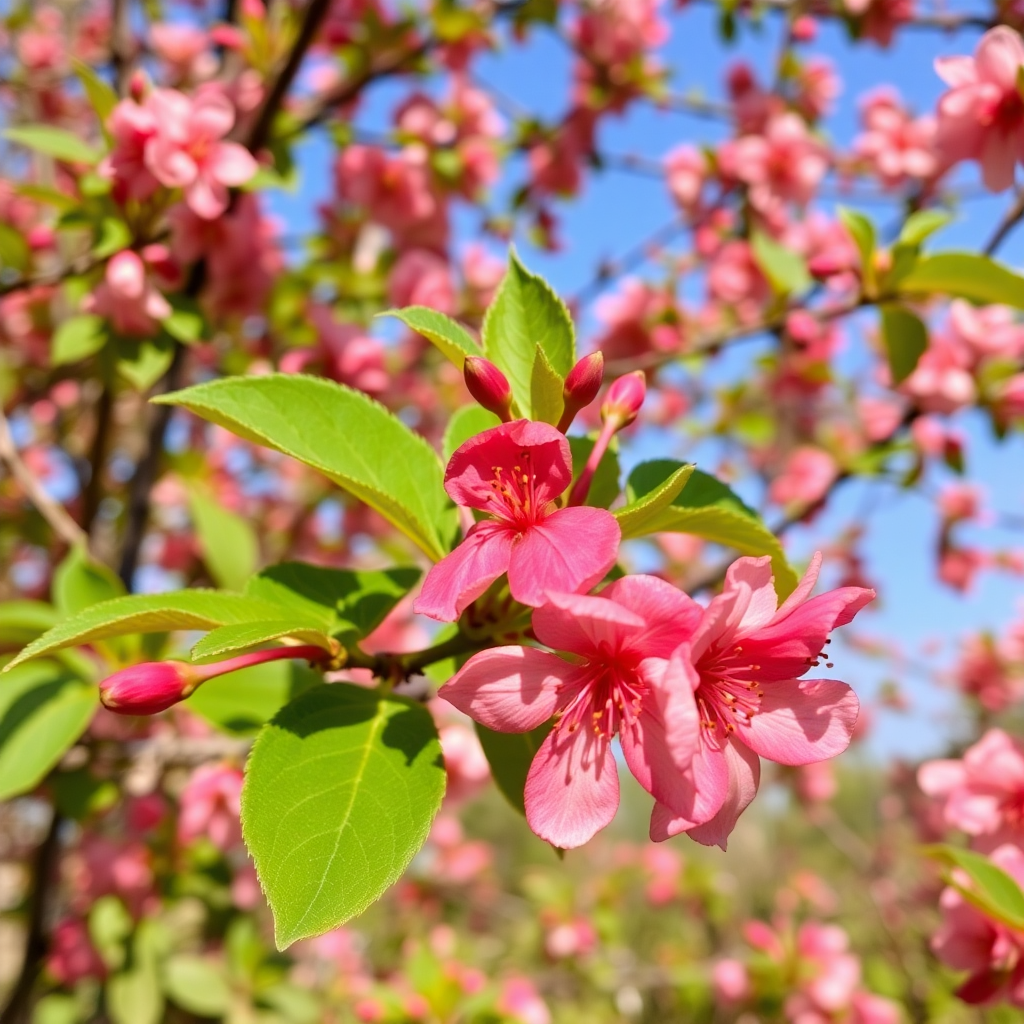
Show‑stopping color – From delicate pastel pinks to bold magenta, the flowers create a cloud‑like canopy that can transform a modest yard into a photogenic wonderland.
Compact habit – Most ornamental varieties stay under 15 ft tall, making them perfect for small gardens, courtyards, or even large containers.
Seasonal drama – Their blossoms appear early (often March‑April in temperate zones) and last only a few weeks, encouraging visitors to pause and savor the moment.
- Popular Varieties and Their Personality
| Variety | Bloom Color | Height | Best Use |
|---|---|---|---|
| ‘Kanzan’ | Deep pink, double‑layered | 12‑15 ft | Street plantings, focal points |
| ‘Tai Haku’ | Pure white, single‑petaled | 10‑12 ft | Formal gardens, Japanese tea houses |
| ‘Amanogawa’ | Soft pink‑white, semi‑double | 8‑10 ft | Small gardens, container planting |
| ‘Shirotae’ | White with pink edges | 8‑10 ft | Mixed borders, woodland edges |
Each cultivar brings a slightly different mood—‘Kanzan’ feels exuberant, while ‘Tai Haku’ whispers elegance. Choose the one that matches the character you want for your space.
- Planting and Care Essentials
Location, location, location – Opt for a sunny spot (at least 6 hours of direct light) with well‑draining soil. Cherries tolerate a range of soils but dislike waterlogged conditions.
Spacing matters – Plant 12‑15 ft apart to give branches room to spread without crowding neighboring shrubs.
Water wisely – Keep the root zone moist during the first year; after establishment, a deep watering once a week during dry spells is sufficient.
Pruning – Perform light structural pruning in late winter (before buds swell). Remove any crossing branches, then thin the canopy to improve air flow and promote better blossom production.
Fertilizing – A balanced spring fertilizer (10‑10‑10) encourages healthy growth. Avoid high‑nitrogen products, which can produce lush foliage at the expense of flowers.
- Cultural Significance & Symbolism
In Japan, ornamental cherries—sakura—embody the fleeting nature of life, celebrated each year during hanami (flower‑viewing) festivals. The brief bloom period reminds us to cherish transient beauty, a philosophy that resonates across cultures. In Western gardens, cherry blossoms have become synonymous with renewal and optimism, often featured in wedding backdrops and seasonal photo shoots.
- Styling Tips for Maximum Impact
Create a “blossom tunnel” – Plant several trees in a row or gentle curve. Walk beneath their arches for an unforgettable, immersive experience.
Mix textures – Pair cherries with evergreen grasses, dwarf conifers, or hostas. The contrast highlights the delicate petals against sturdy foliage.
Add a water feature – Reflections of pink clouds on a pond or fountain amplify the ethereal atmosphere.
Consider night lighting – Soft uplighting brings out subtle hues after dusk, extending enjoyment beyond daylight hours.
Final Thought
Ornamental cherry flowers are more than just a pretty springtime show; they’re a living reminder of nature’s rhythm and a versatile design element for gardens of any size. With the right variety, proper planting, and a dash of creative styling, you can turn your outdoor space into a timeless canvas of pastel wonder—one that draws admirers year after year, even if only for a brief, breathtaking moment. Embrace the bloom, and let your garden whisper the age‑old story of spring’s triumphant return.