Lily Flower
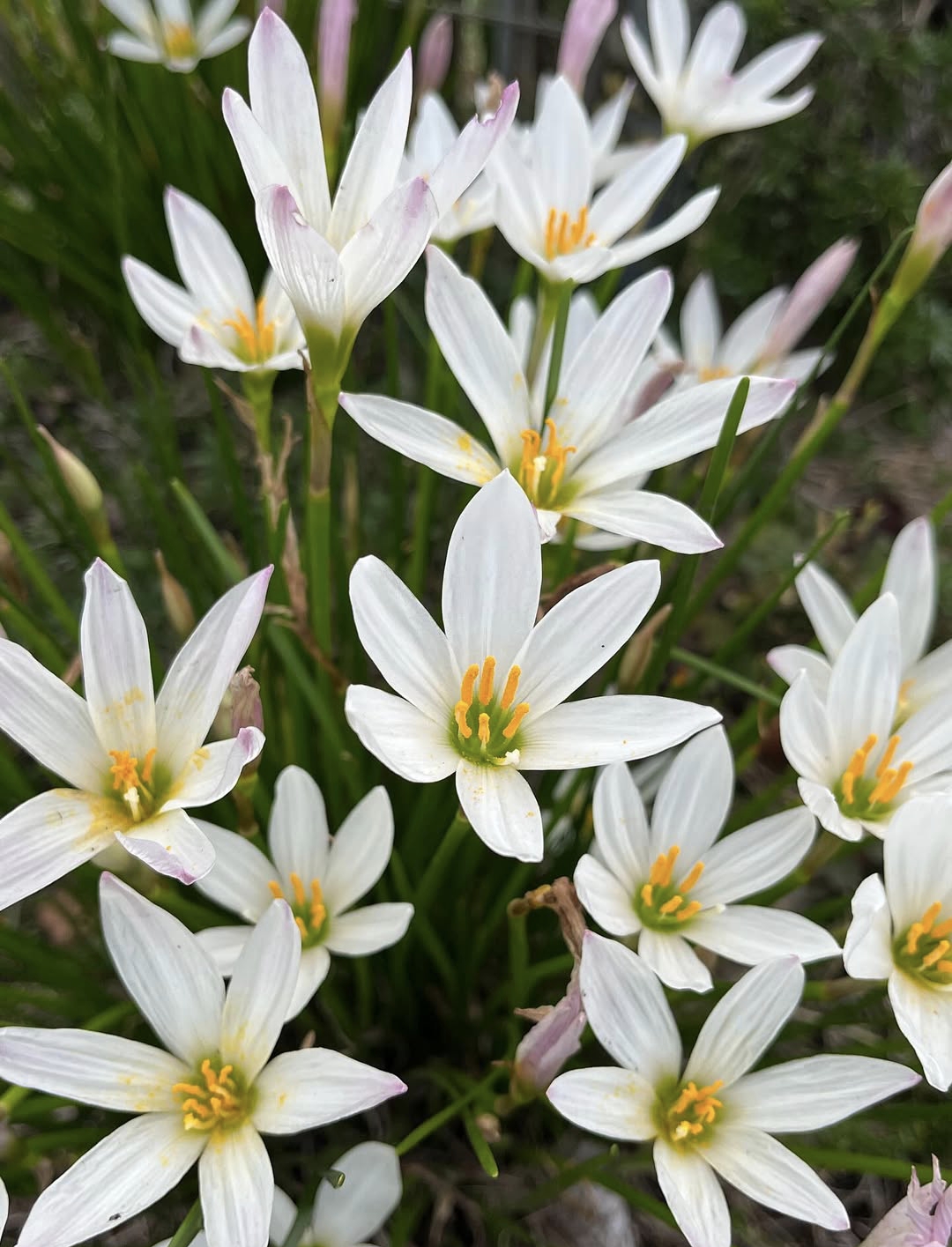
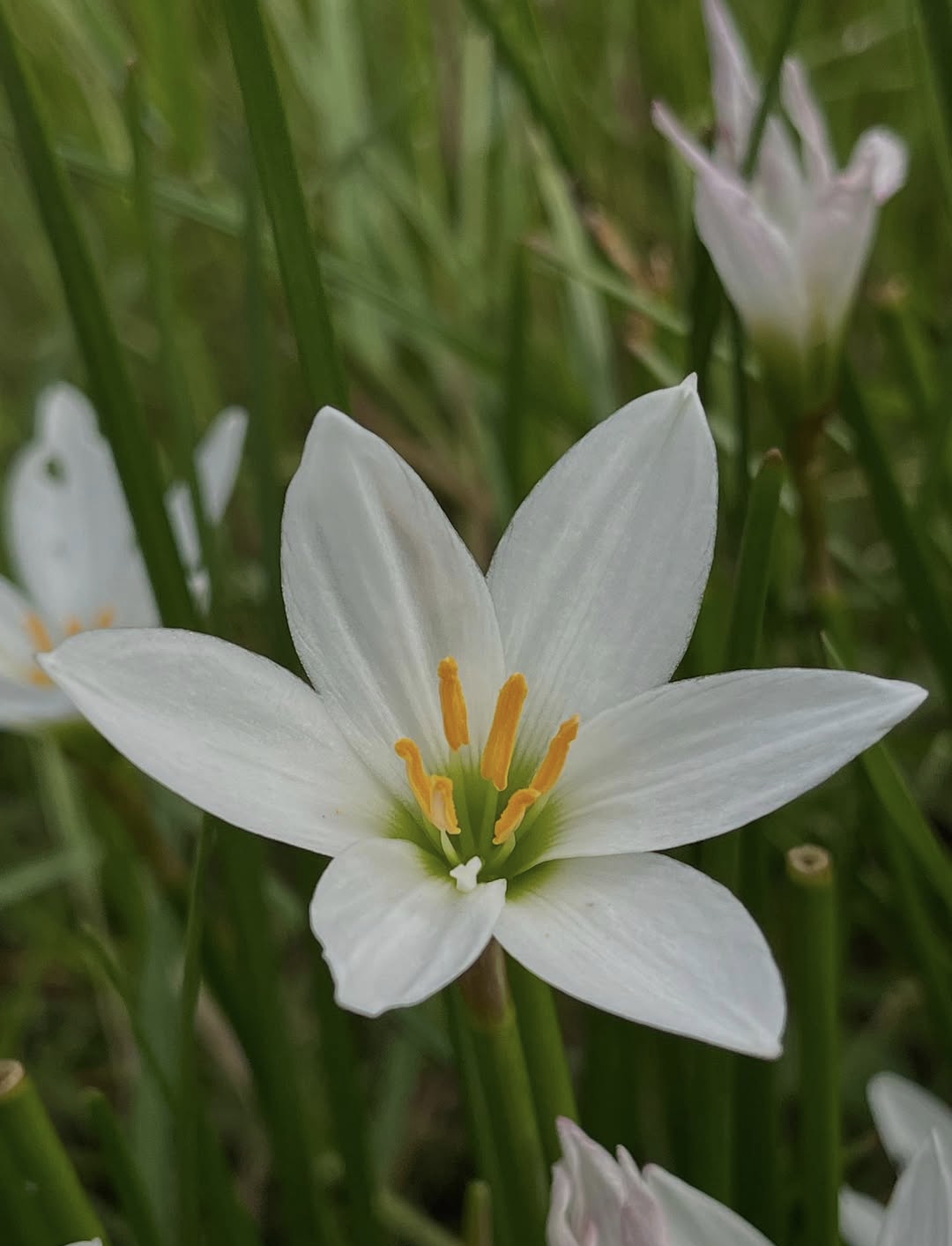
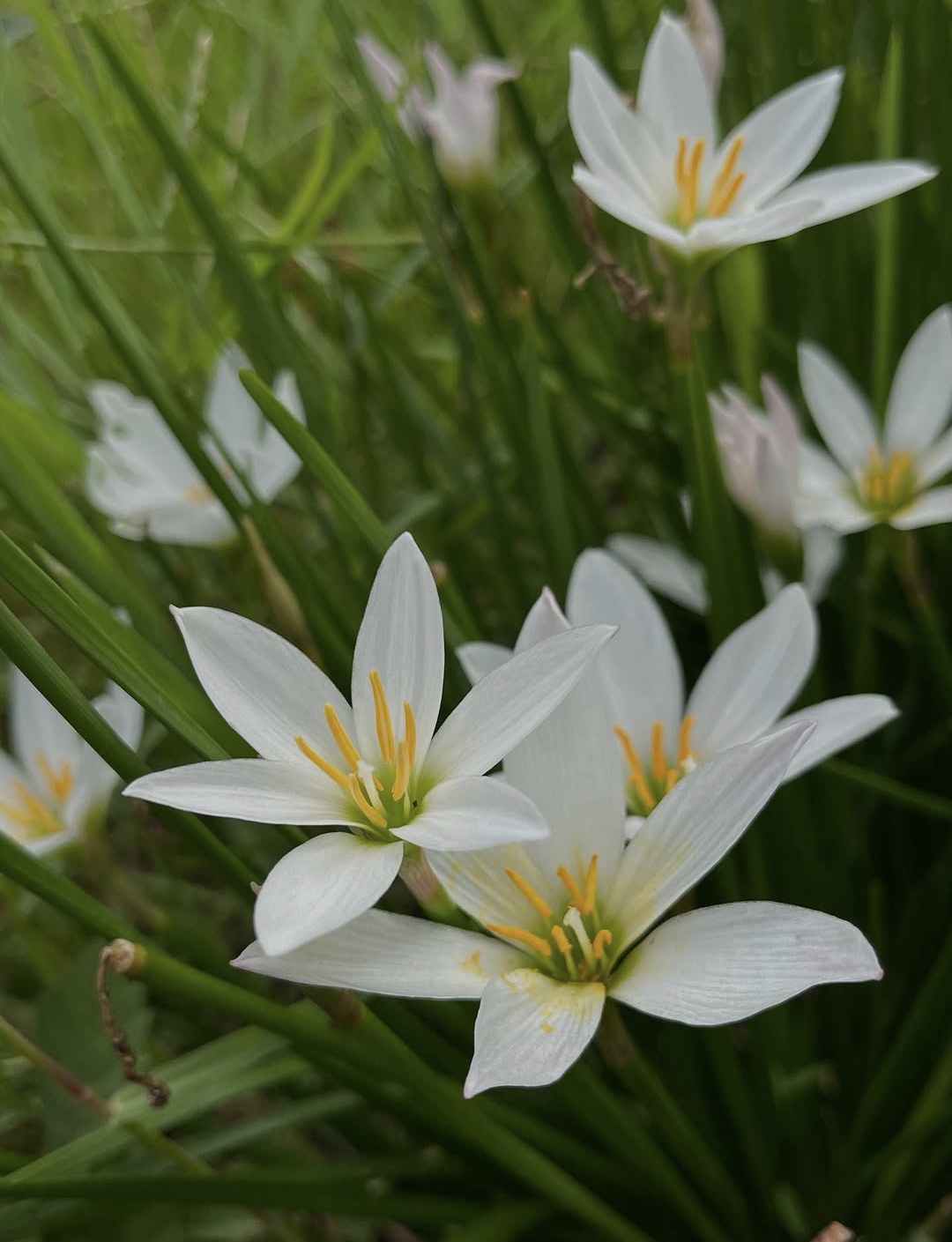
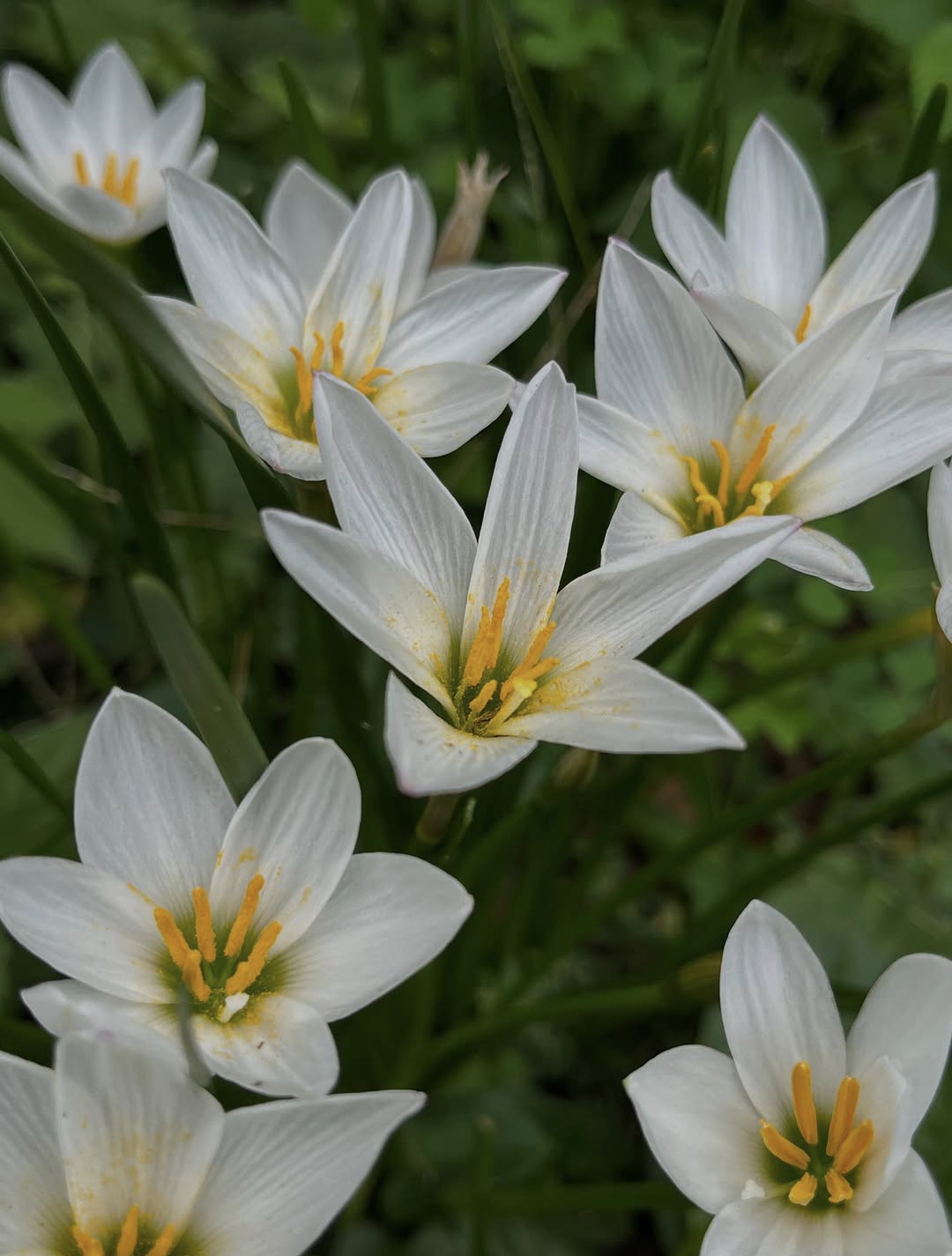
The lily flower admired for its beauty, fragrance, and symbolism across cultures. Lilies are native to the temperate regions of the Northern Hemisphere, particularly in Asia, Europe, and North America, and they have been cultivated for centuries as ornamental plants. They produce large, showy flowers that can be trumpet-shaped, bowl-shaped, or recurved, depending on the species and variety. Lilies come in a wide range of colors including white, pink, yellow, orange, and red, often with speckles, spots, or contrasting stripes on their petals, adding to their striking appeal. Their blossoms are not only stunning in gardens but are also among the most popular choices for bouquets, floral decorations, and ceremonial arrangements because of their elegance and long vase life.
The lily holds deep symbolic significance in many cultures and traditions. In Christianity, the white Madonna lily is associated with purity, virtue, and the Virgin Mary, making it a frequent feature in religious art and ceremonies. In ancient Greece and Rome, lilies symbolized beauty, motherhood, and rebirth, often linked to their gods and myths. Across Asia, lilies represent prosperity, abundance, and lasting love, and in China they are considered auspicious flowers for weddings because of their connection to a happy union and many children. The different colors of lilies also carry their own meanings—white lilies represent purity and renewal, red lilies symbolize passion, orange conveys confidence and pride, while pink is associated with admiration and prosperity. Because of these diverse symbolic associations, lilies have become universal emblems of both joy and solemnity, being used in occasions ranging from weddings to funerals.
Gracias
