Mission Blue Butterfly: A Tiny Jewel of San Francisco’s Grasslands
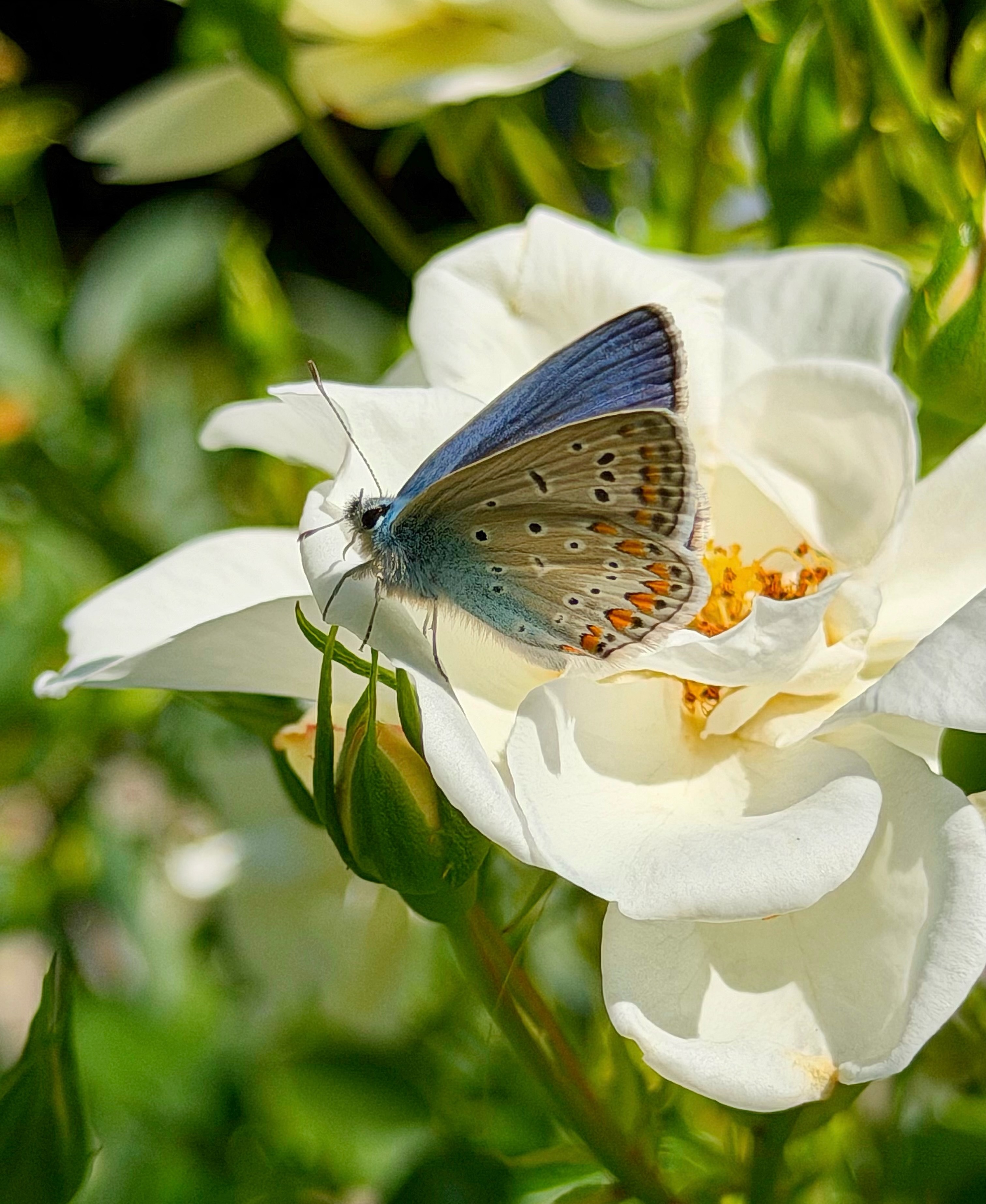
The Mission blue butterfly is a small but remarkable butterfly known for its delicate beauty and close connection to the natural landscapes of the San Francisco Bay Area. With its striking blue wings, especially vivid in males, it can look almost like a tiny piece of sky resting among the grasses. Scientifically known as Icaricia icarioides missionensis, this butterfly is a subspecies of the Boisduval's blue butterfly. Its beauty is subtle rather than dramatic, but seeing one in the wild can be an unforgettable experience.
What makes the Mission blue butterfly particularly fascinating is its specialized relationship with its habitat. It depends heavily on native plants and open grassland environments, where it can complete its life cycle. The butterfly's larvae have an especially important connection with lupine plants, which provide food for the developing caterpillars. This close relationship demonstrates how even a tiny insect can depend on particular plants and landscapes, making every part of an ecosystem meaningful.
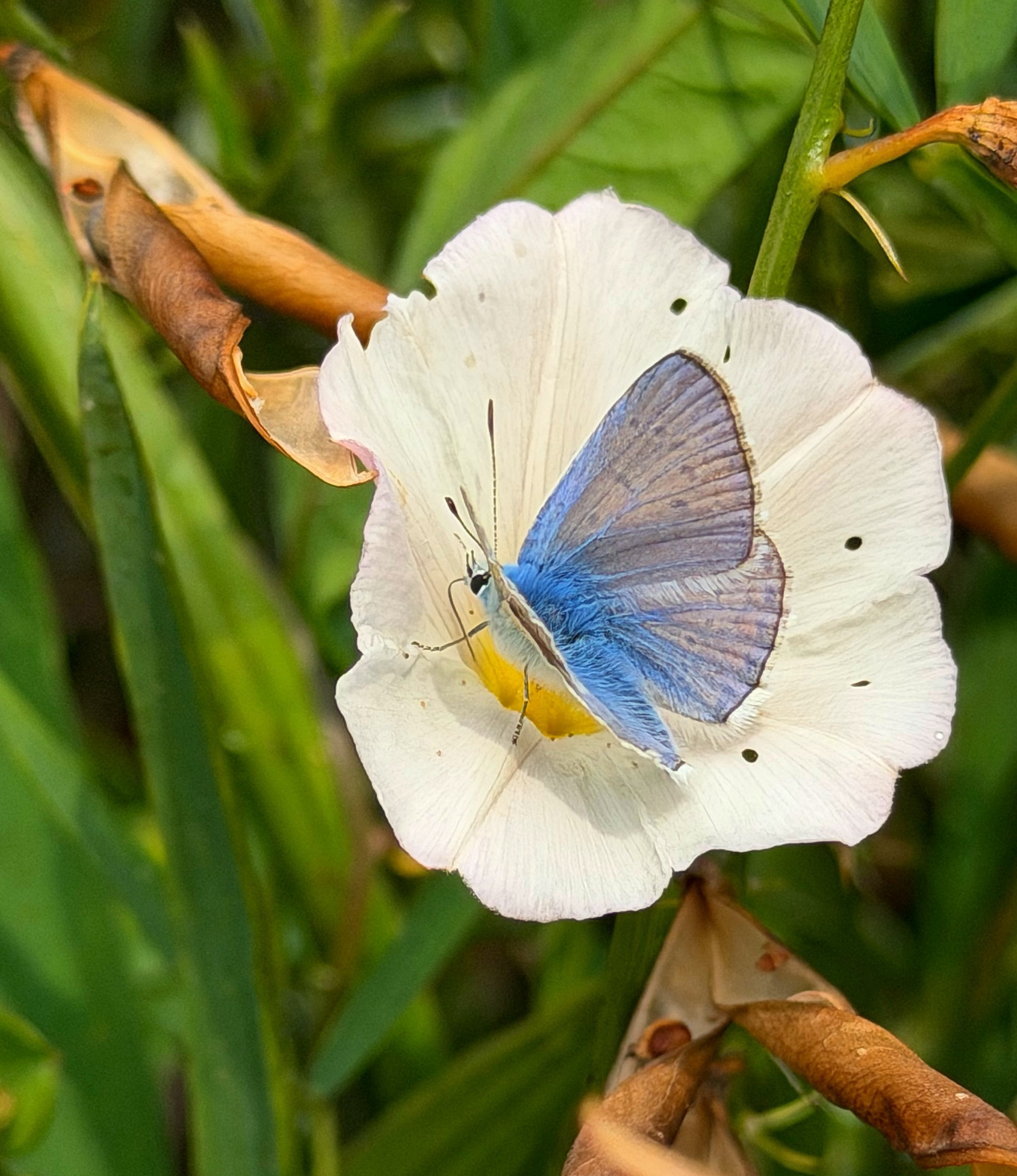
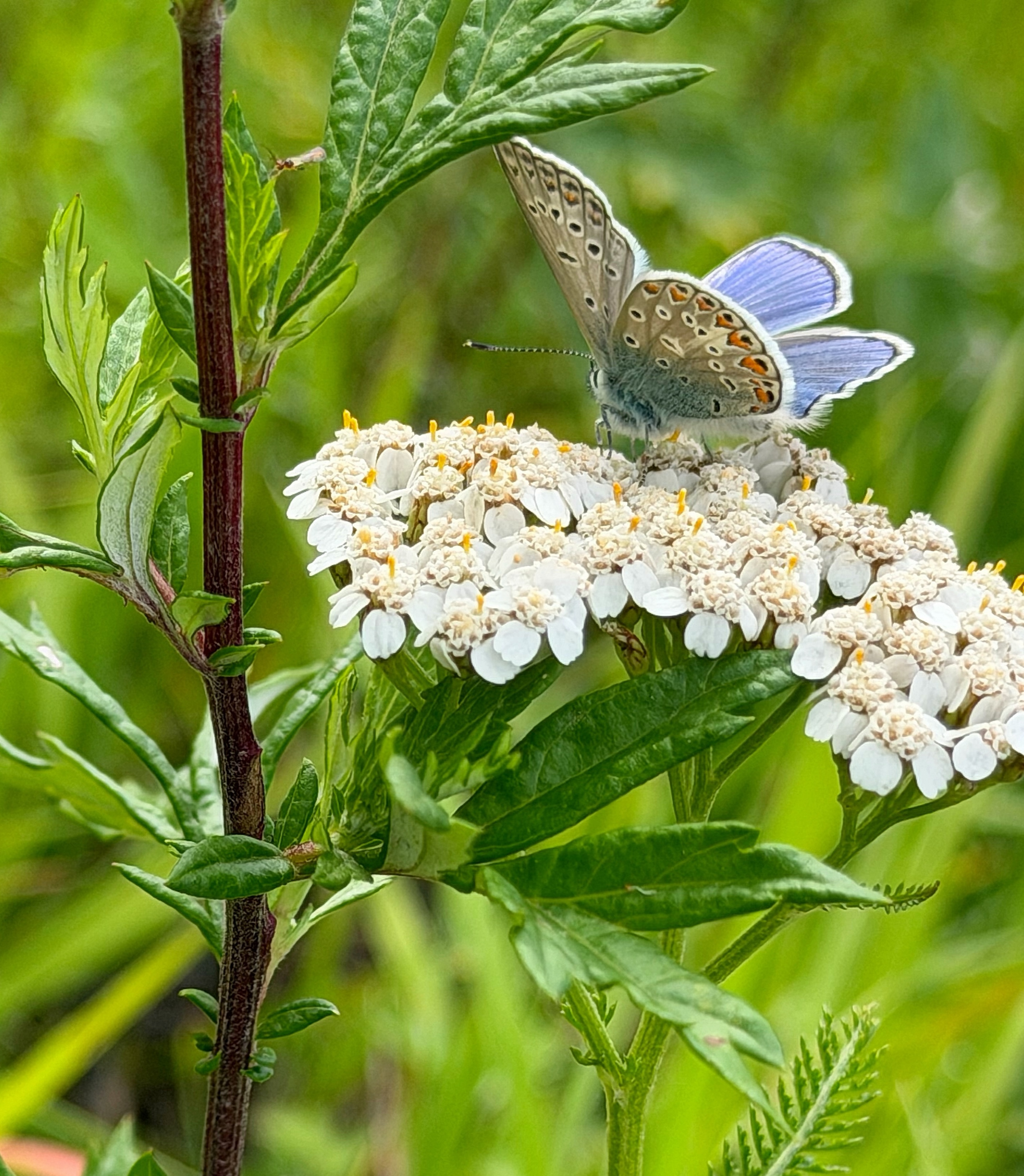
The adult butterfly is graceful and delicate, with males generally displaying brilliant blue upper wings while females tend to have darker, more subdued coloration with blue highlights. Their wings are small, yet when sunlight touches them, they can appear surprisingly luminous. Watching a Mission blue butterfly move between flowers is a gentle reminder that some of nature's most beautiful moments happen quietly and without warning.
The species has also become an important symbol of conservation. Habitat loss and changes to native grassland ecosystems have placed pressure on its populations, making the protection of suitable habitat essential. Conservation efforts focus on maintaining and restoring the native vegetation that supports the butterfly, particularly its important lupine host plants. Protecting the Mission blue butterfly therefore means protecting an entire community of plants, insects, and other wildlife that share the same landscape.
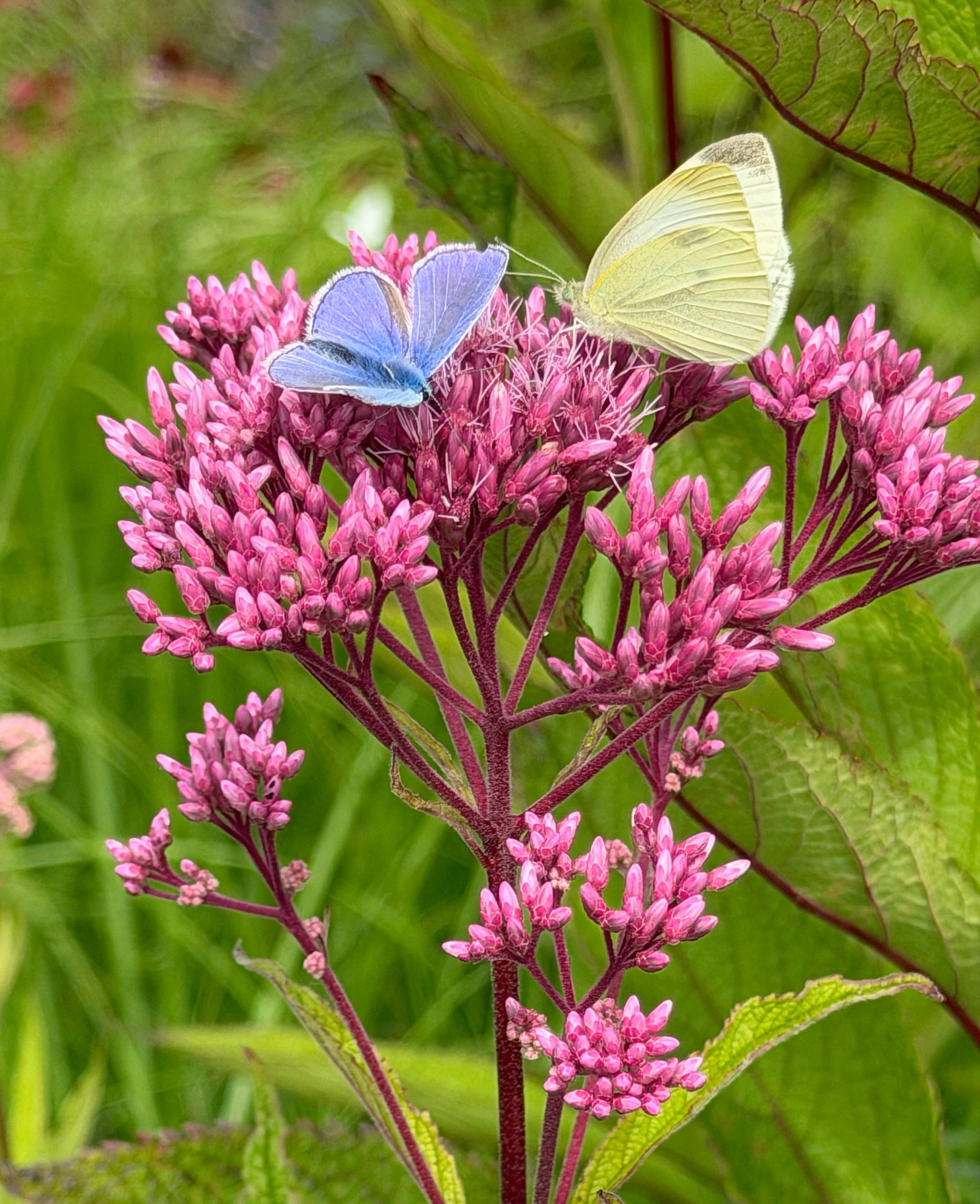
There is something especially inspiring about the story of this tiny butterfly. It shows that conservation is not only about protecting large animals or vast forests; sometimes it begins with something small enough to fit comfortably on a fingertip. A single butterfly can draw attention to the importance of native plants, healthy grasslands, and carefully managed natural spaces. Its survival is closely tied to the health of the environment around it.
The Mission blue butterfly is more than a beautiful insect—it is a delicate symbol of resilience and the value of protecting nature close to home. Its shimmering wings, specialized life cycle, and dependence on native habitat make it a fascinating part of the natural world. For anyone interested in butterflies and wildlife, learning about the Mission blue is an invitation to slow down, observe carefully, and appreciate how even the smallest creatures can carry an important ecological story.
Thanks For Reading
Device Information
| Device | cannon eos 450D |
|---|---|
| Lens | 250 mm |
| Location | Bangladesh |