Northern Flicker: The Ground-Foraging Woodpecker with a Wild Spirit
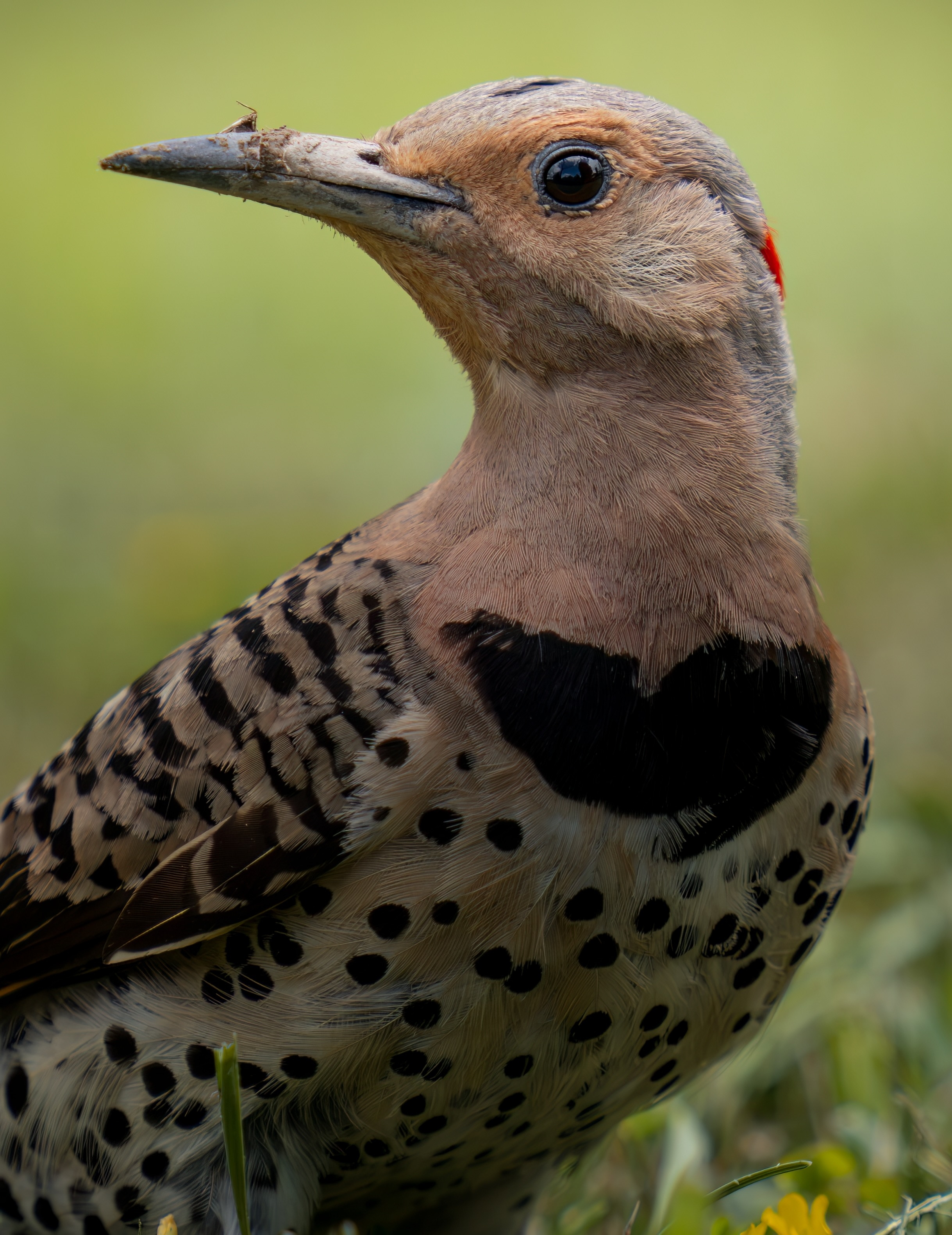
The Northern Flicker is a fascinating woodpecker that brings a distinctive character to the forests, parks, and open landscapes of North America. Unlike many woodpeckers that spend most of their time clinging to tree trunks, this bird is often seen hopping across the ground in search of food. Its brown, spotted body provides excellent camouflage, while its bold markings make it surprisingly beautiful when viewed closely. Watching a Northern Flicker move through its surroundings feels like discovering a small piece of wilderness hiding in plain sight.
One of the most charming features of the Northern Flicker is its beautifully patterned plumage. Its body is covered with dark spots, bars, and crescent-shaped markings that create a natural work of art. Depending on the region, the underside of the wings and tail may show warm yellow or reddish tones. When the bird suddenly spreads its wings, these hidden colors can appear like a brief flash of sunlight. This unexpected burst of color is one reason birdwatchers become so excited when a flicker takes flight.
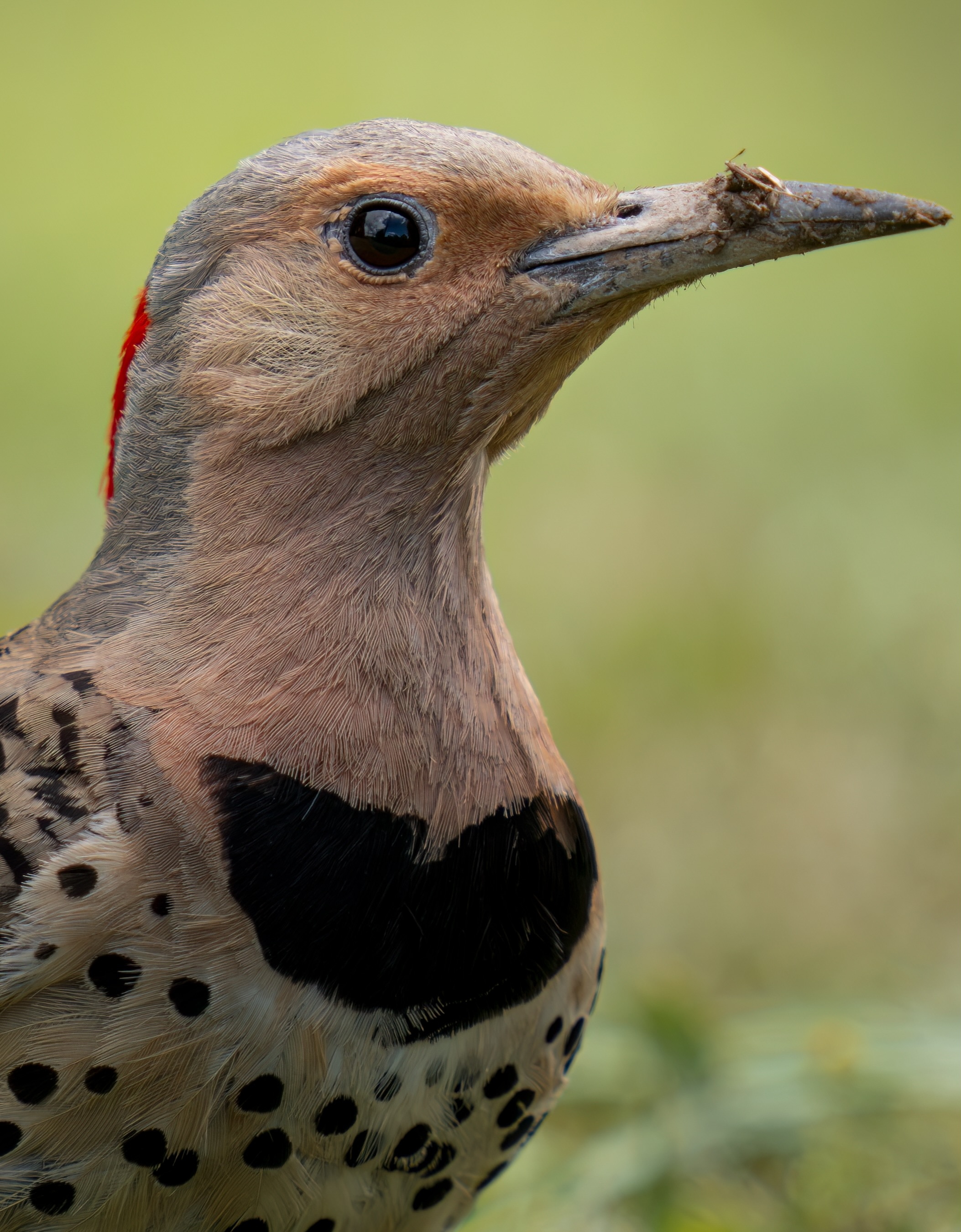
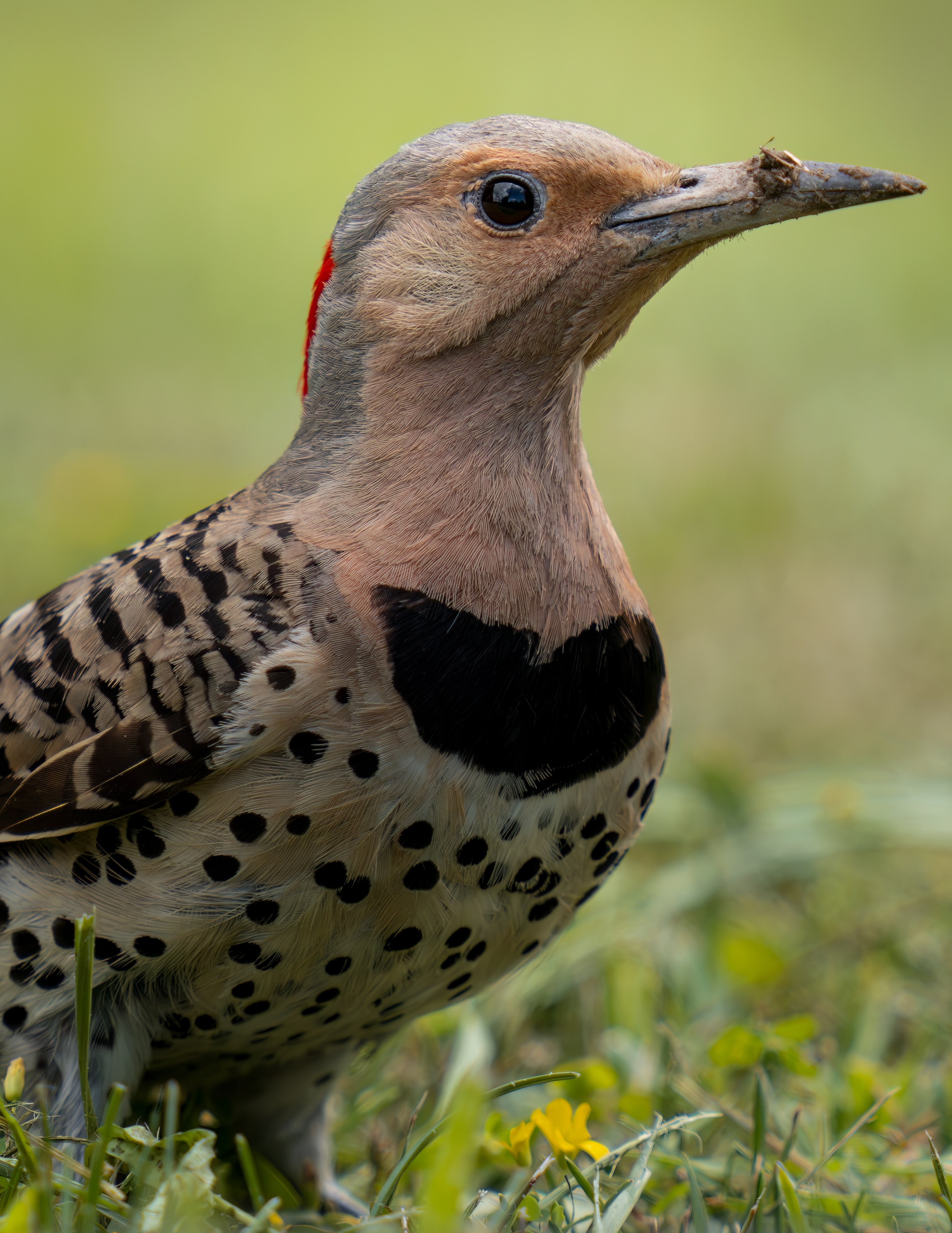
The Northern Flicker has a varied diet, but ants are among its favorite foods. Instead of constantly drilling into trees, it often searches lawns, woodland edges, and bare ground for insects. Its long bill and specialized tongue help it reach prey in places that many other birds cannot easily access. It may also feed on beetles, fruits, seeds, and other small food sources depending on the season. This flexible feeding behavior allows the flicker to thrive in a variety of habitats.
Another memorable part of the Northern Flicker's personality is its distinctive call and drumming. During breeding season, these sounds can travel surprisingly far through a woodland or neighborhood. Like other woodpeckers, it may drum against a suitable surface to communicate, establish territory, or attract a mate. These sounds can transform a quiet morning into a lively natural concert. For someone learning to identify birds, recognizing the Northern Flicker by sound can be just as rewarding as recognizing it by appearance.
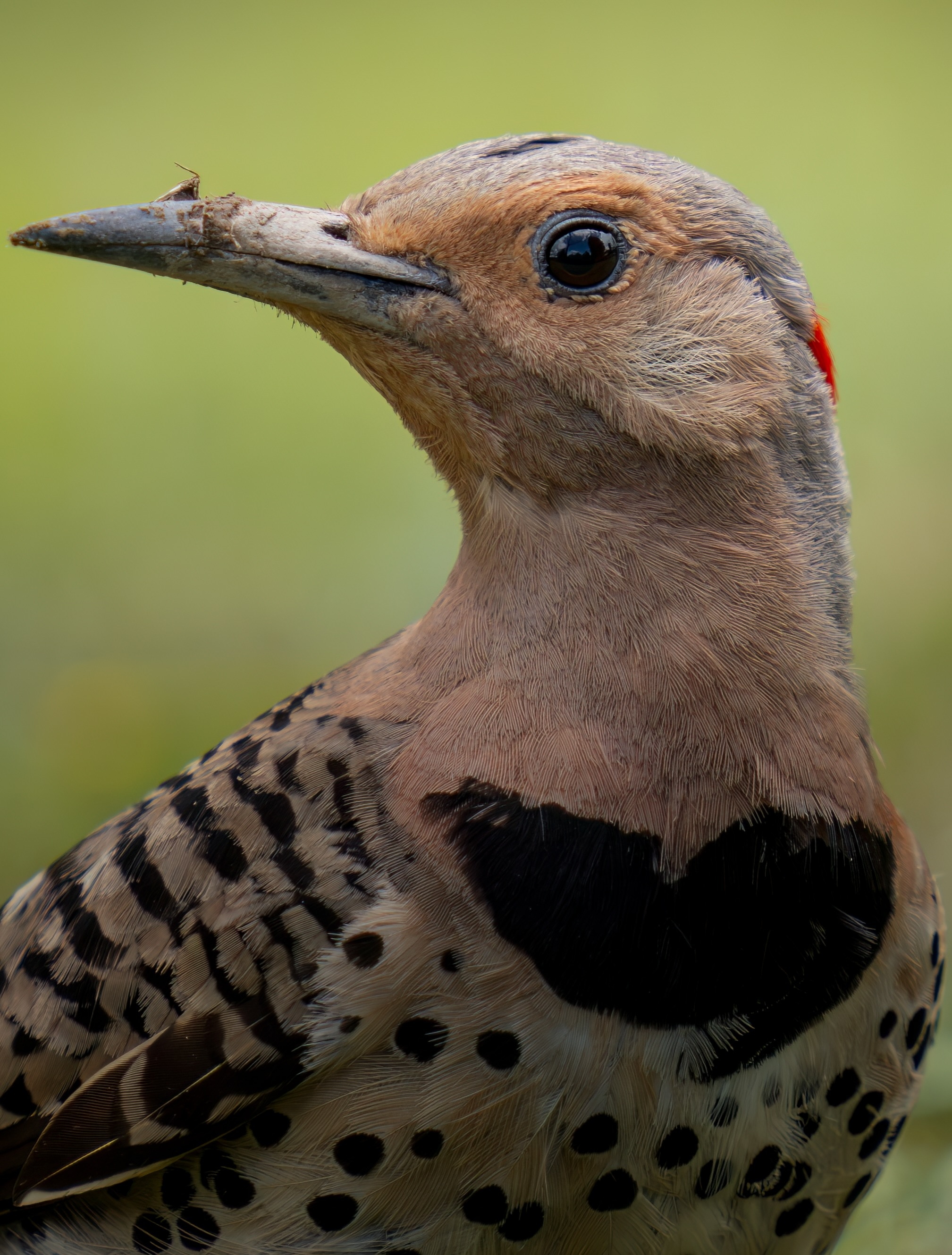
Northern Flickers also play an important role in their ecosystems. By feeding on insects and using trees for nesting and shelter, they participate in the natural cycle of woodland life. Older trees and dead branches can be especially valuable because they provide places for nesting and foraging. Protecting diverse habitats with mature trees, open ground, and native vegetation can therefore help support these remarkable birds. Even a backyard designed with wildlife in mind can become a useful stopover for a passing flicker.
Perhaps the greatest appeal of the Northern Flicker is the way it encourages us to look beyond the ordinary. A bird walking across a lawn might seem unremarkable at first, but a closer look reveals intricate feathers, clever feeding habits, and a personality shaped by the wild. The Northern Flicker reminds us that nature is not always found in distant forests or protected parks; sometimes it is right outside our windows. Taking a moment to observe this beautiful woodpecker can turn an ordinary day into a quiet and memorable encounter with the natural world.
Thanks For Reading
Device Information
| Device | cannon eos 450D |
|---|---|
| Lens | 250 mm |
| Location | Bangladesh |