Old World Babbler: The Cheerful Storytellers of Forests and Gardens
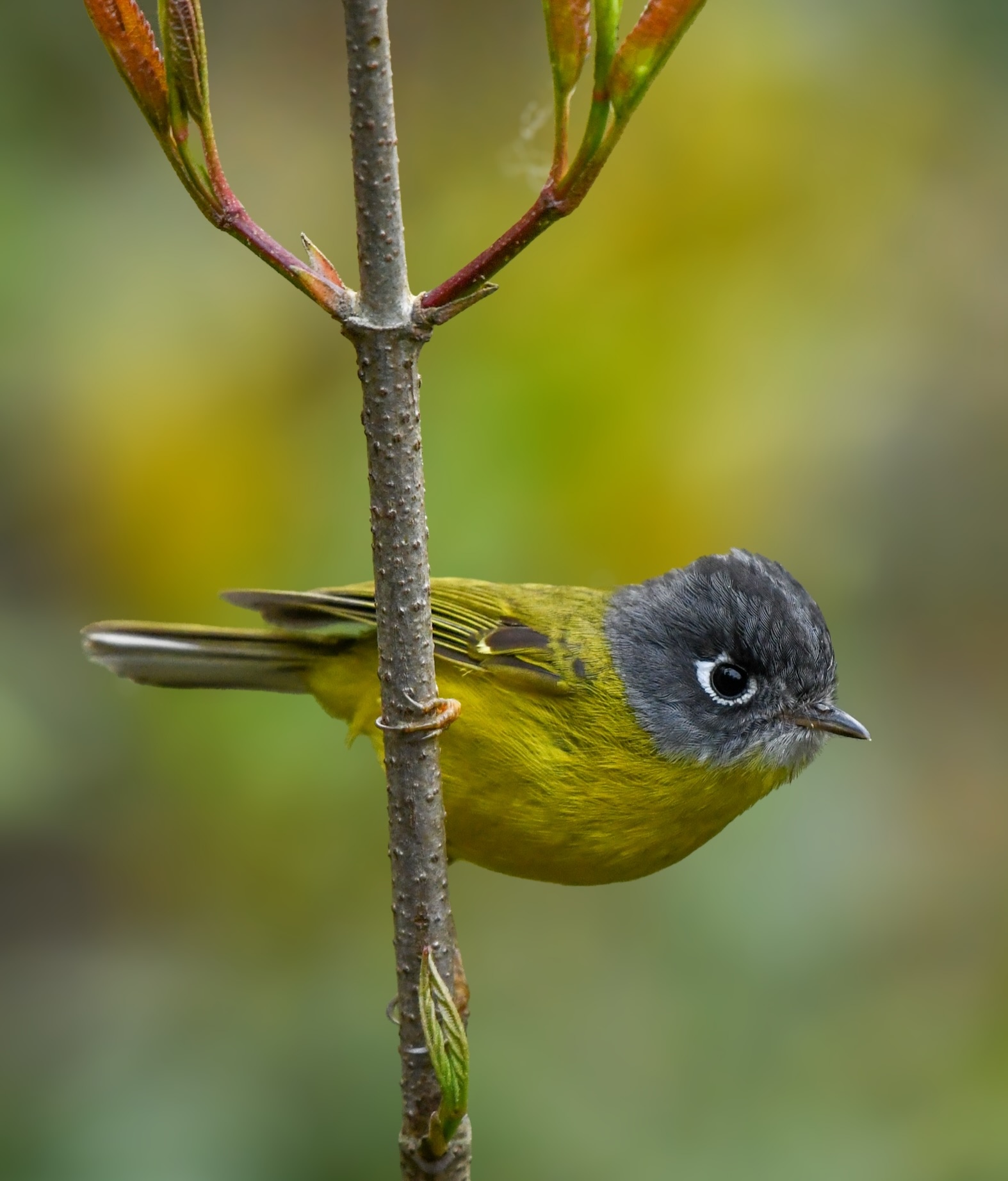
The Old World babbler is one of nature's most fascinating birds, admired not for dazzling colors but for its lively personality and constant chatter. Found across Asia, Africa, and parts of Europe, these small to medium-sized birds thrive in forests, woodlands, grasslands, and even village gardens. Their soft brown, gray, or olive feathers help them blend perfectly into their surroundings, making them masters of camouflage. While they may not immediately catch the eye, their energetic behavior and musical calls quickly capture the hearts of anyone who pauses to observe them.
One of the most remarkable qualities of Old World babblers is their highly social lifestyle. They rarely spend time alone and are often seen moving together in noisy family groups. As they hop through shrubs and low branches, they communicate constantly with whistles, chirps, and cheerful chatter, creating a lively soundtrack in the natural world. This teamwork allows them to search for food more efficiently while keeping watch for predators, demonstrating how cooperation can be one of nature's greatest strengths.
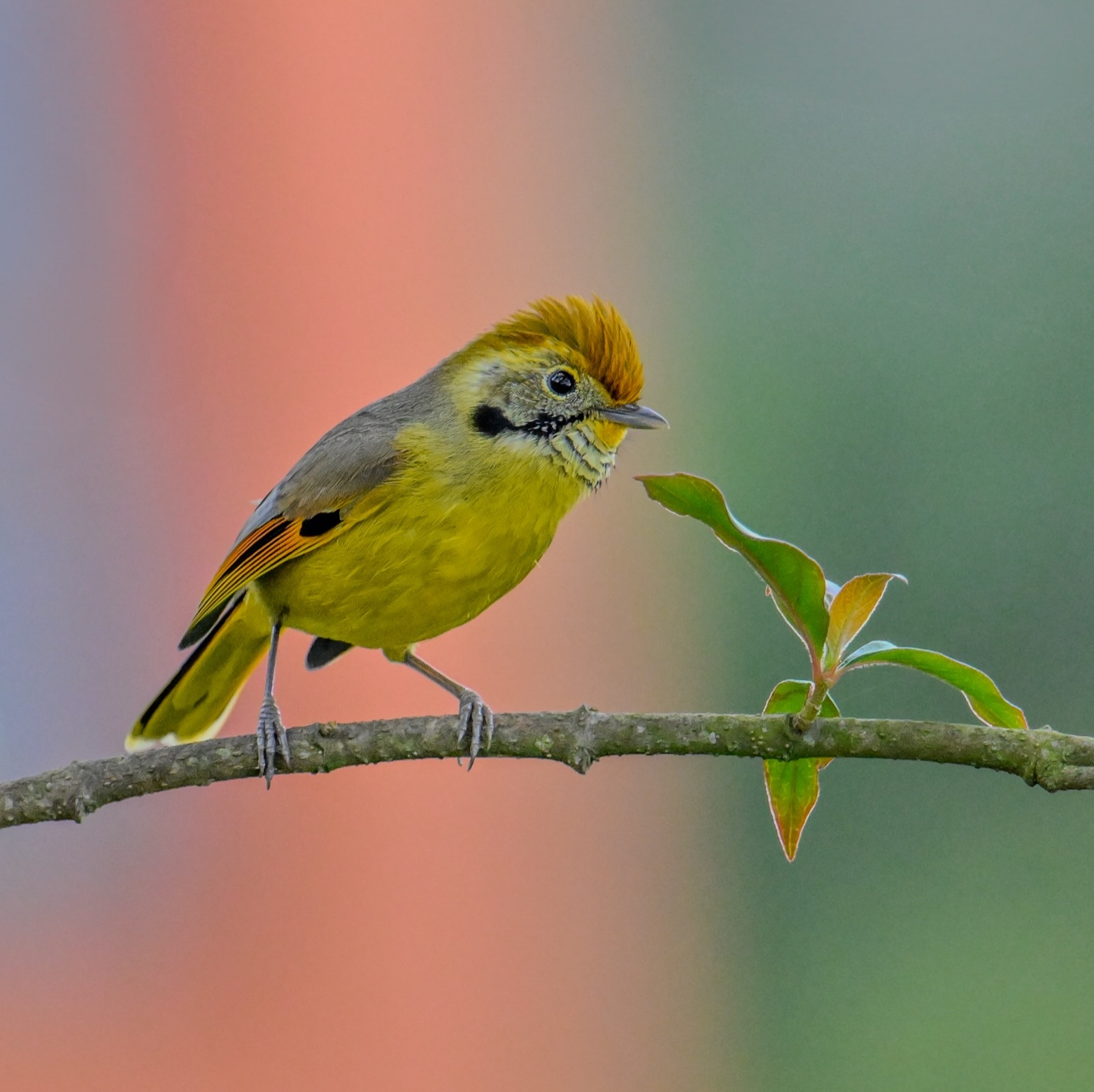
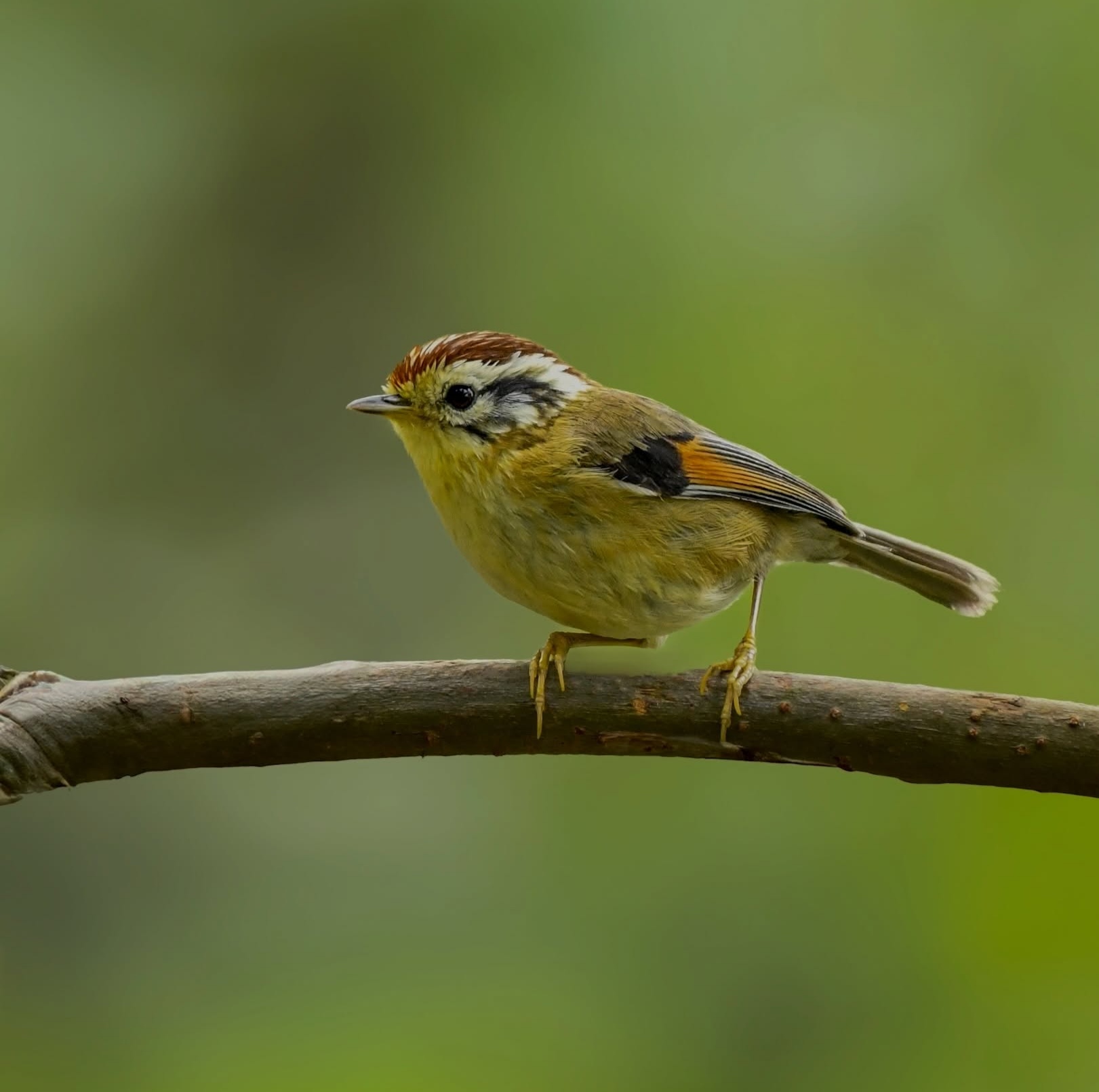
Their diet is wonderfully diverse, reflecting their adaptability to different habitats. Old World babblers feed mainly on insects, spiders, caterpillars, and other tiny invertebrates, helping to keep insect populations under control. Many species also enjoy berries, fruits, seeds, and nectar when available. By consuming fruits and later dispersing seeds, they contribute to the regeneration of forests and the growth of countless plant species, making them valuable partners in maintaining healthy ecosystems.
The breeding season reveals another touching side of these birds. Instead of raising chicks alone, many babbler species practice cooperative breeding, where older siblings or other group members assist the parents in feeding and protecting the young. Their carefully woven cup-shaped nests are usually hidden among dense bushes or small trees, offering shelter from predators. This remarkable family-centered behavior highlights the importance of trust, cooperation, and shared responsibility in the natural world.
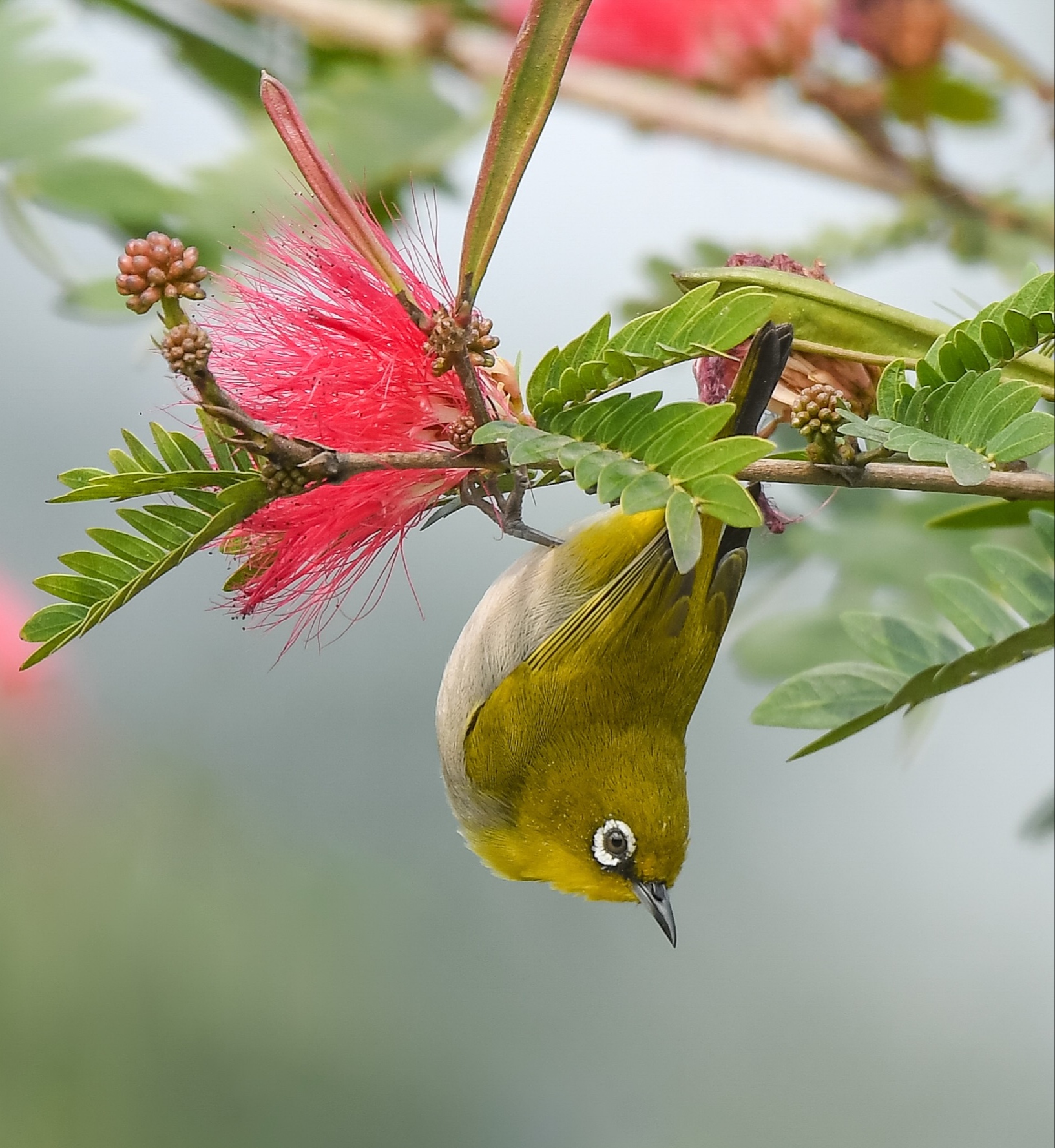
Although many Old World babbler species remain common, habitat destruction, deforestation, and environmental changes continue to threaten some populations. Expanding agriculture and urban development reduce the dense vegetation these birds depend on for nesting and feeding. Protecting forests, preserving native shrubs, and encouraging biodiversity in both rural and urban landscapes can help ensure that these lively birds continue to flourish for generations to come.
Watching an Old World babbler is a gentle reminder that beauty in nature is not always defined by brilliant feathers or dramatic displays. Sometimes, it is found in the simple joy of a bird calling to its companions, caring for its family, and playing an essential role in the balance of the ecosystem. Their cheerful voices and cooperative spirit inspire us to appreciate the quieter wonders that surround us every day, proving that even the smallest creatures can leave a lasting impression on those who take the time to notice them.
Thanks For Reading
Device Information
| Device | cannon eos 450D |
|---|---|
| Lens | 250 mm |
| Location | Bangladesh |