Oleander: Beauty with a Hidden Edge
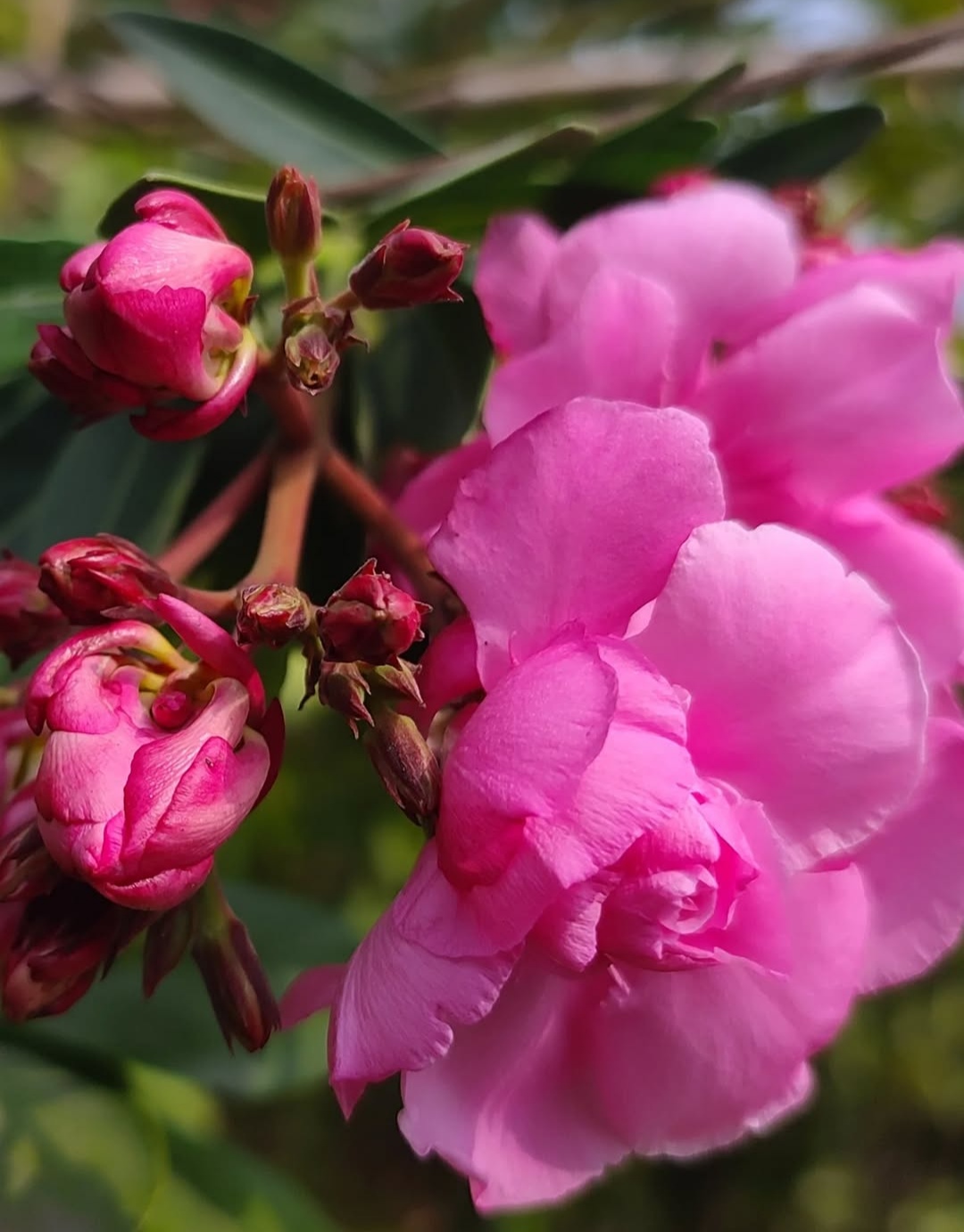
There is a certain allure to the oleander, a plant that captivates with its vibrant blossoms while quietly guarding a more complex nature beneath. Known scientifically as Nerium oleander, it flourishes in warm climates, lining roadsides, gardens, and coastal paths with clusters of pink, white, red, and even yellow flowers. At first glance, it feels like a celebration of color—bright, cheerful, and almost carefree.
Oleander is a survivor. It thrives where many other plants struggle, tolerating heat, drought, and even poor soil with remarkable resilience. Its long, slender leaves remain lush and green throughout the year, offering a sense of permanence in changing seasons. Because of this hardiness, it is often planted in urban spaces and highways, where it quietly withstands the harshness of its surroundings while continuing to bloom generously.
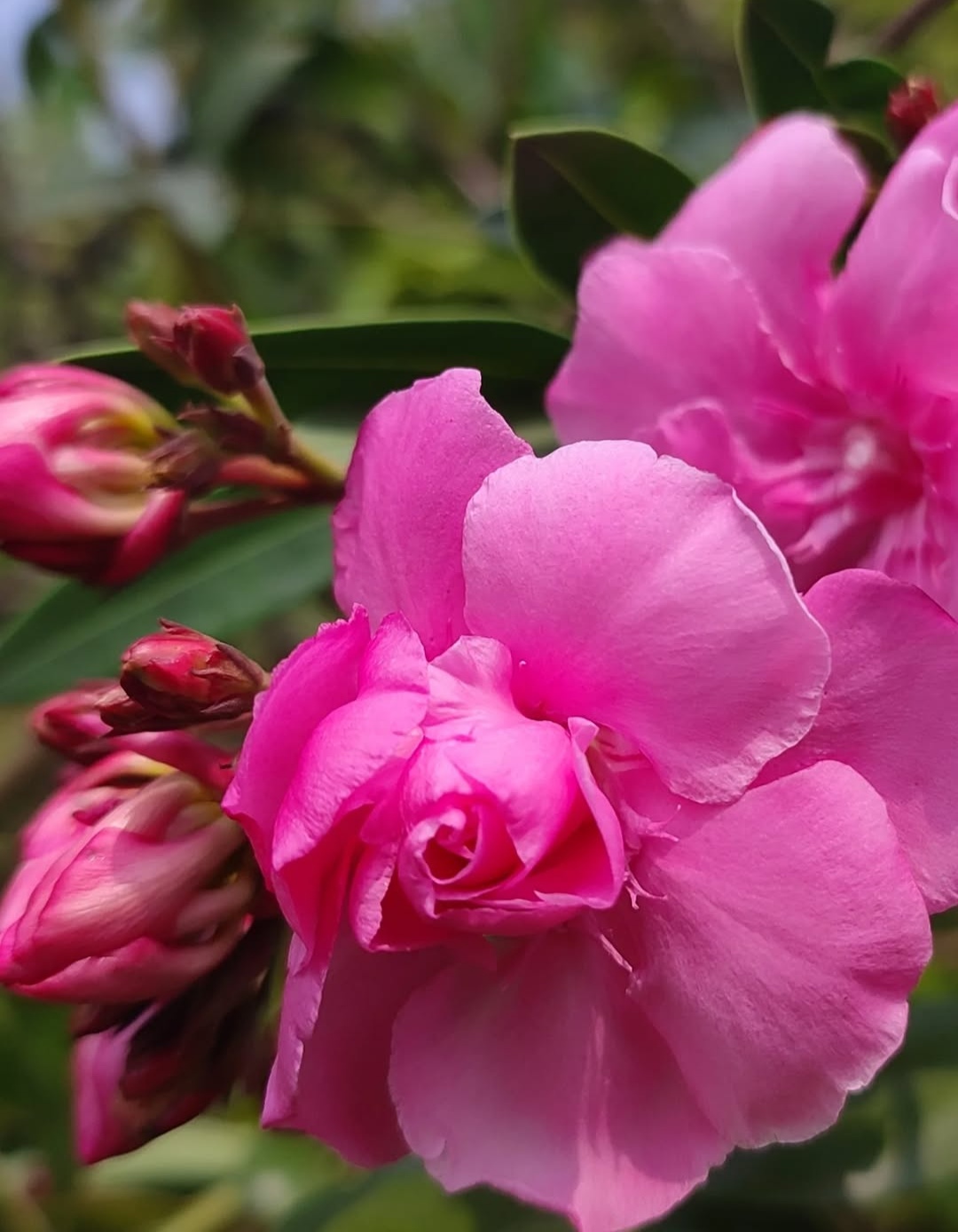
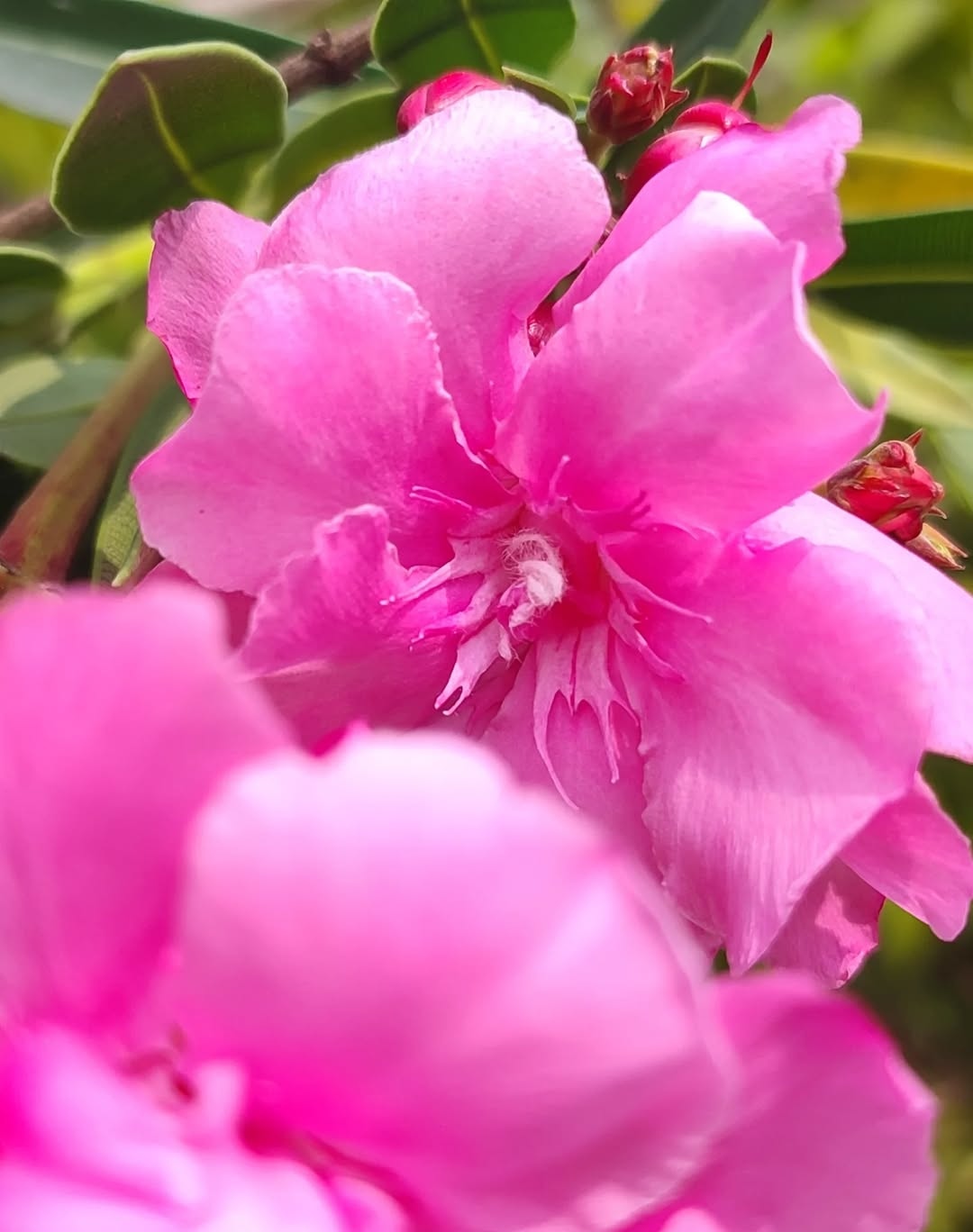
Yet, beneath its beauty lies a powerful truth—oleander is highly toxic. Every part of the plant, from leaf to flower, contains compounds that can be dangerous if ingested. This dual nature gives oleander a unique identity: it is both admired and approached with caution. In a way, it serves as a reminder that not everything beautiful is harmless, and that nature often carries layers beyond what we see.
Despite this, oleander has long held cultural and symbolic meaning. In some traditions, it represents caution, resilience, or even protection. Its ability to bloom abundantly in difficult conditions makes it a quiet symbol of endurance. People plant it not only for its visual appeal but also for the message it conveys—that strength and beauty can coexist, even in the face of adversity.
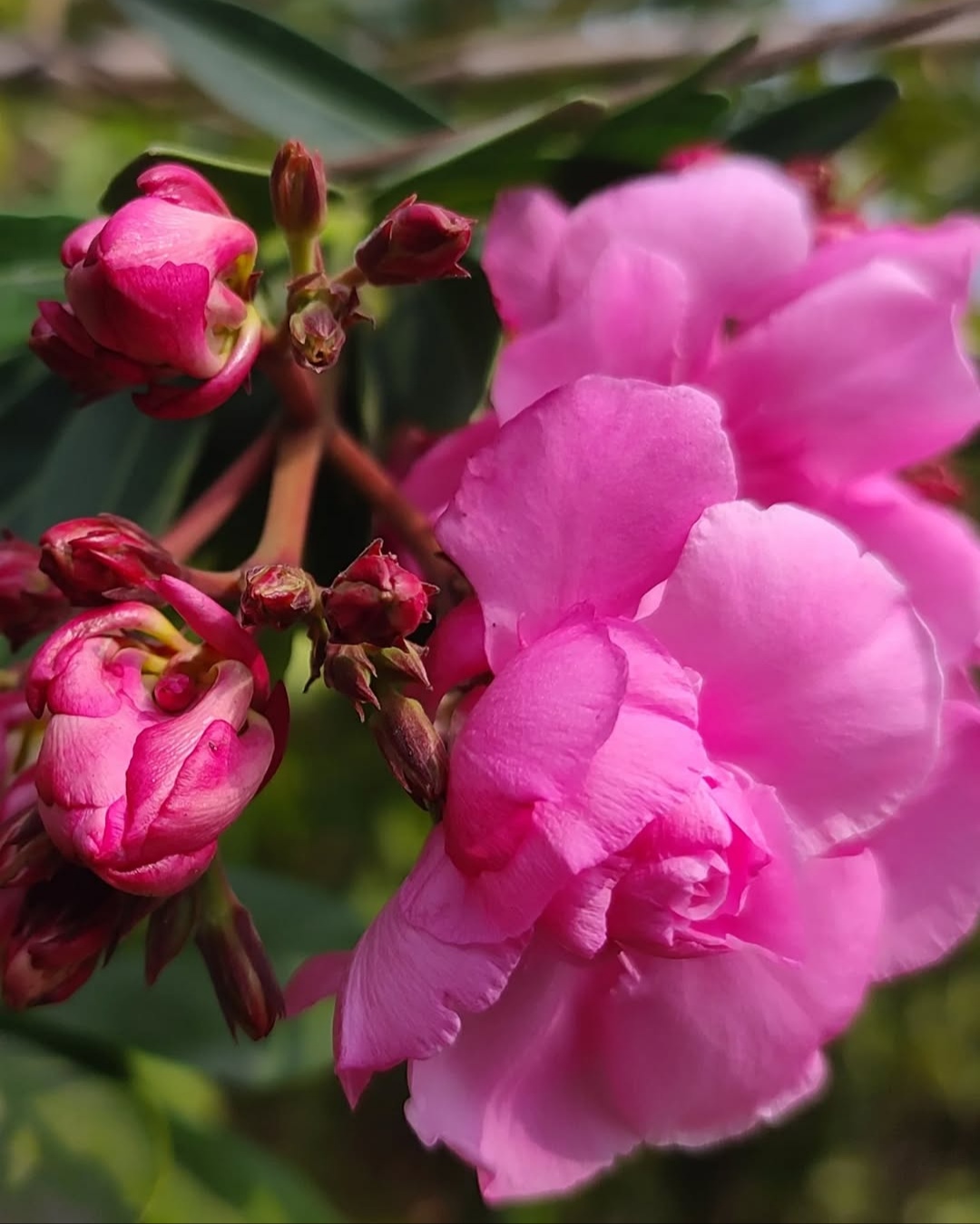
Ecologically, oleander contributes to its environment by providing shelter for certain insects and adding greenery to otherwise barren landscapes. However, its toxicity also means it must be handled with care, especially in spaces shared with children and animals. This balance between benefit and risk makes it a plant that invites respect rather than casual admiration.
In the end, oleander stands as a fascinating contradiction. It enchants with its colors, endures through hardship, and teaches a subtle but important lesson about the complexity of nature. To truly appreciate it is to understand both its beauty and its boundaries—a reminder that the natural world, much like life itself, is rarely simple, and often most meaningful in its contrasts.
| Device | cannon eos 700D |
|---|---|
| Lens | 55-250 zoom leans |
| Location | Bangladesh |

nice .
Your post has been upvoted by mdlal 🚀
plz visite my pp