Ice Plant Flowers: A Chilly‑Cool Addition to Your Garden
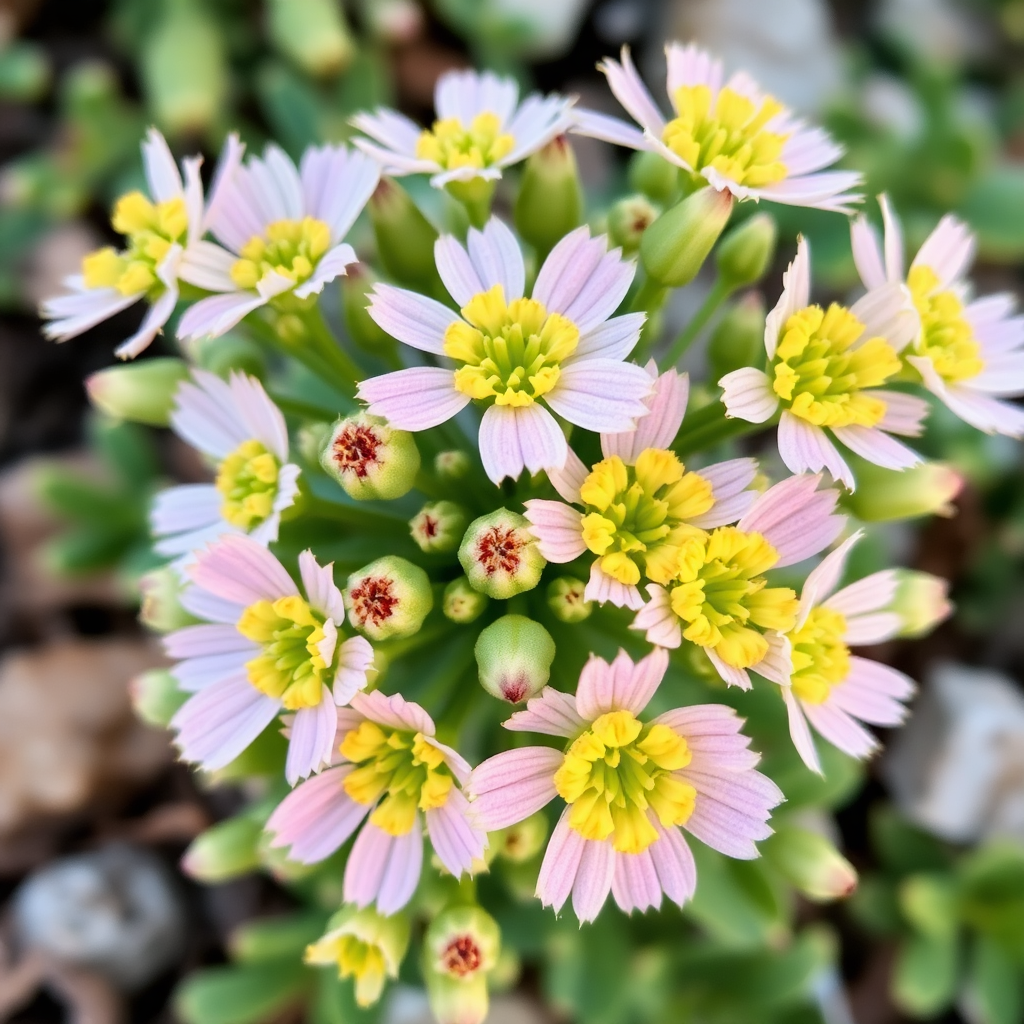
When it comes to low‑maintenance, eye‑catching groundcovers, the ice plant (genus Delosperma) is hard to beat. Native to the arid regions of South Africa, these succulent perennials thrive on sunshine, drought, and a touch of neglect—making them perfect for both seasoned gardeners and busy beginners.
Yet beyond their rugged reputation, ice plants deliver a spectacular floral show that can transform any garden, balcony, or container into a bright, almost other‑worldly space.
What Makes Ice Plants Special?
Ice plants are best known for their crystallized, glistening foliage. Tiny, water‑filled cells called papillae cover each leaf, reflecting light much like a layer of frost. In full sun, the leaves sparkle, earning the plant its whimsical name.
When the blossoms appear—typically in late spring through early autumn—the contrast is striking. Flowers burst in vivid shades of pink, orange, yellow, and even deep magenta, each opening in the morning and fading by evening, only to be replaced by a fresh set the next day.
Choosing the Right Variety
There are hundreds of Delosperma cultivars, but a few stand out for garden use:
| Variety Flower | Color | Height | Notable Feature |
|---|---|---|---|
| ‘Fireworks’ | Fiery orange‑red | 6–8 in (15–20 cm) | Compact, ideal for rock gardens |
| ‘Little Miss Sunshine’ | Bright yellow | 4–5 in (10–12 cm) | Small leaves, perfect for containers |
| ‘Ruby Frost’ | Deep magenta | 8–10 in (20–25 cm) | Drought‑tolerant, spreads quickly |
| ‘Ice Star’ | White with pink edges | 6–9 in (15–23 cm) | Soft pastel hue, great for edging |
When selecting a cultivar, consider the scale of your planting area, the color palette of surrounding flora, and how aggressively you want the plant to spread.
Planting & Care Basics
Sunlight: Ice plants crave full sun (at least 6 hours daily). Insufficient light leads to leggier growth and fewer blooms.
Soil: Well‑draining soil is non‑negotiable. A mix of sand, perlite, and a modest amount of compost works wonders. In heavy clay, add coarse grit or plant in raised beds.
Water: Water deeply but sparingly. Once established (usually after the first growing season), they survive on rainfall alone in most climates. Over‑watering is the single biggest cause of root rot.
Spacing: Plant 8–12 in (20–30 cm) apart to give each clump room to expand. They spread by both runners and leaf cuttings, creating a dense mat that suppresses weeds.
Winter Protection: In USDA zones 8‑9 and warmer, ice plants are evergreen. In colder zones (≤ 7), treat them as annuals or mulch heavily and move containers indoors.
Propagation Made Easy
Ice plants are a propagation dream. In early spring, gently pull a healthy leaf, let the cut end dry for a day (to form a callus), then place it on a moist, well‑draining substrate. Within a few weeks, tiny rosettes emerge, ready for transplanting. Alternatively, divide mature clumps in the fall and re‑plant the sections.
Design Ideas
Rock Gardens: Their low, spreading habit fills gaps between stones, while the bright flowers provide seasonal fireworks.
Container Displays: Pair a deep‑pot orange ‘Fireworks’ with silver foliage succulents for a bold contrast.
Pathway Edging: Use the compact ‘Little Miss Sunshine’ along walkways for a cheery, low‑maintenance border.
Living Walls: Their shallow root system makes them suitable for vertical planters, turning bare fences into living art.
A Final Word
Ice plant flowers bring more than just color—they offer a resilient, low‑effort solution to those sunny spots that other plants often ignore. Their glossy leaves, endless bloom cycles, and effortless propagation make them a garden staple for anyone seeking a splash of summer vibrancy year after year.
So, grab a tray of seedlings, find a sun‑kissed corner, and let the frost‑kissed foliage do the talking. Your garden (and your neighbors) will thank you.