Eurasian Tree Sparrow: The Humble Companion of Human Landscapes
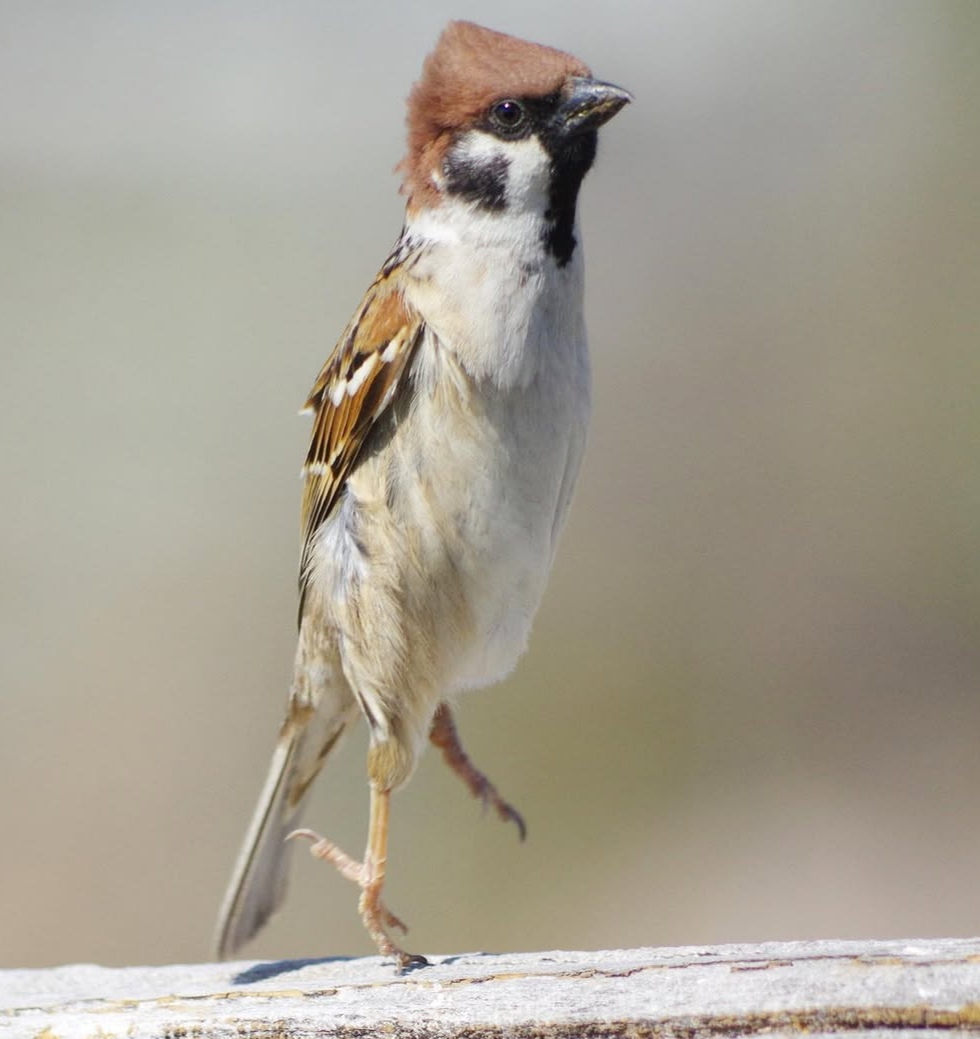
In the quiet corners of villages, fields, and city outskirts lives a small yet spirited bird—the Eurasian tree sparrow. Scientifically known as Passer montanus, this modest creature often goes unnoticed beside its more famous cousin, the house sparrow. Yet, in its chestnut crown, black cheek spot, and lively demeanor, it carries a distinct charm that rewards those who take a closer look.
Unlike birds that seek solitude deep in forests, the Eurasian tree sparrow has learned to live alongside humans without losing its wild essence. It frequents farmlands, gardens, and rural settlements, often perching on fences or darting between shrubs. There is a quiet harmony in the way it shares space with people—never demanding attention, yet always present, like a familiar face in a crowd.
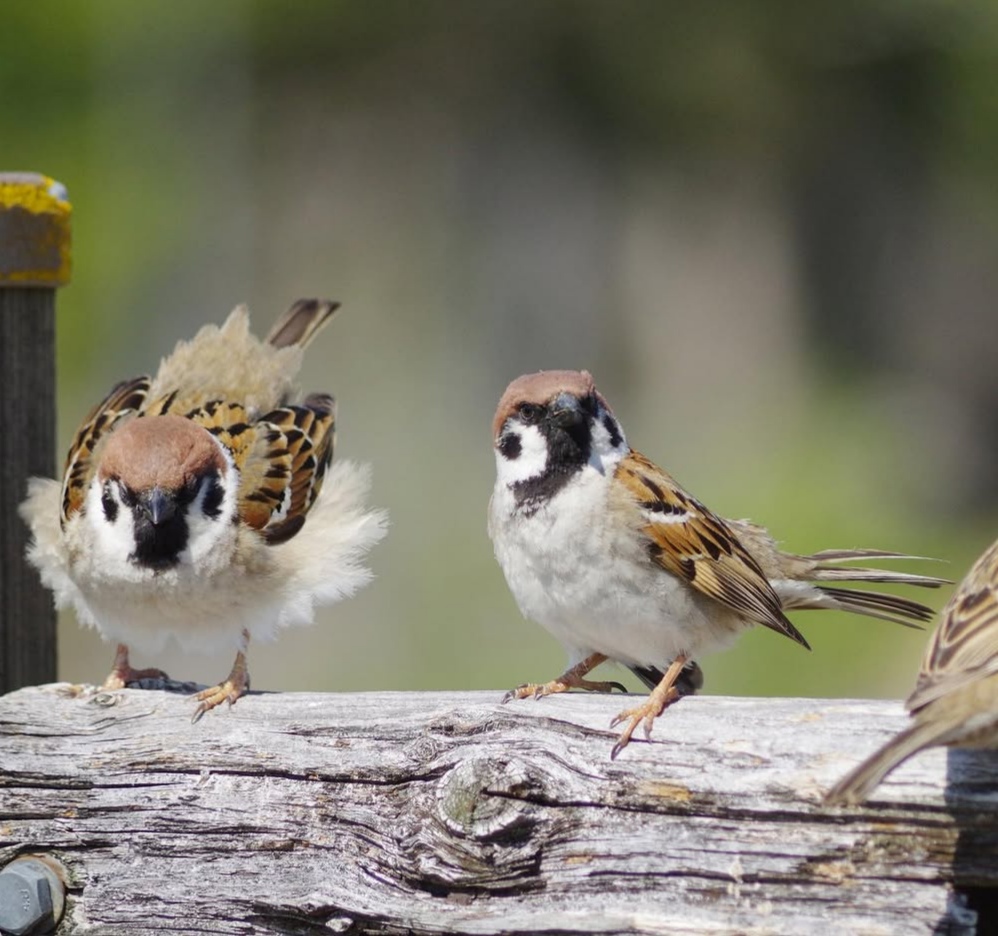
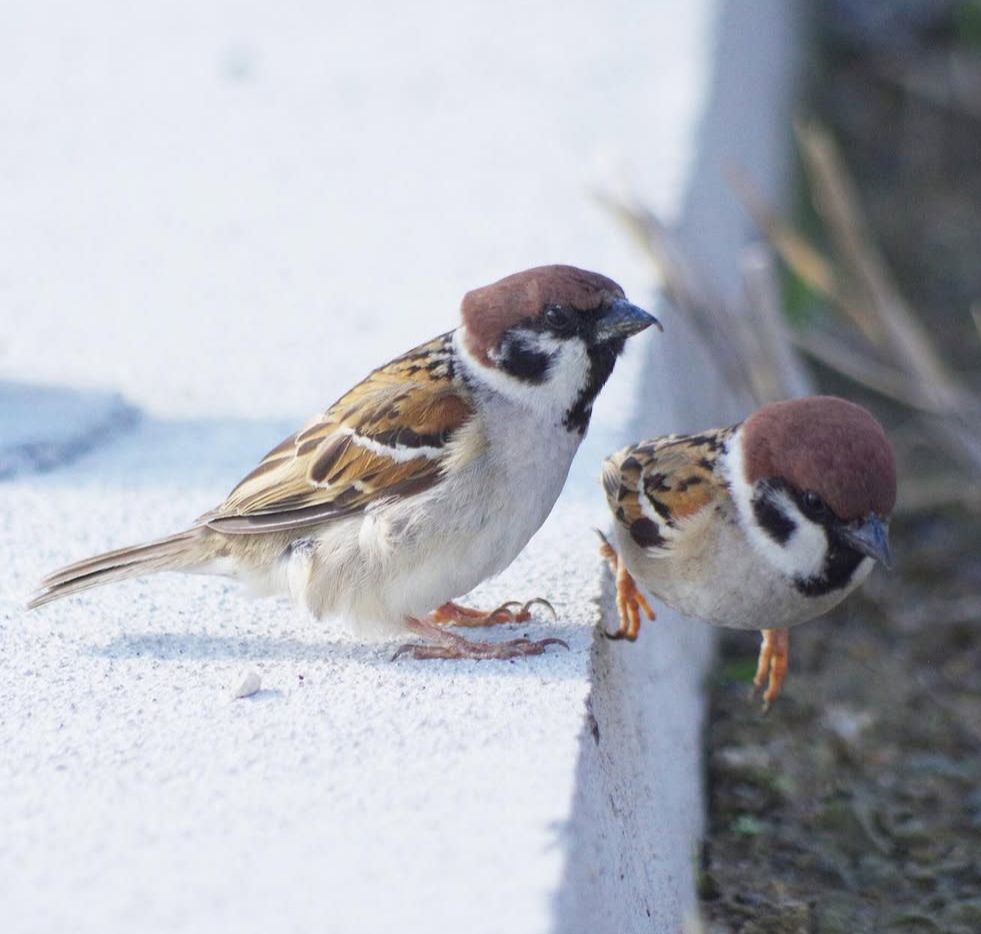
What makes this bird especially endearing is its social nature. Eurasian tree sparrows are rarely alone; they move in small flocks, chirping softly as they forage for seeds, grains, and insects. Their communication is gentle, almost conversational, creating a soothing background rhythm in the landscapes they inhabit. Watching them hop across the ground or gather in clusters can feel like witnessing a small, well-coordinated community at work.
Despite their adaptability, these sparrows face subtle challenges in a rapidly changing world. Modern agricultural practices and urban expansion have altered their habitats, reducing nesting spaces and food sources. Their presence, once abundant, has quietly declined in some regions. This reminds us that even the most familiar and seemingly resilient species are not immune to environmental shifts.
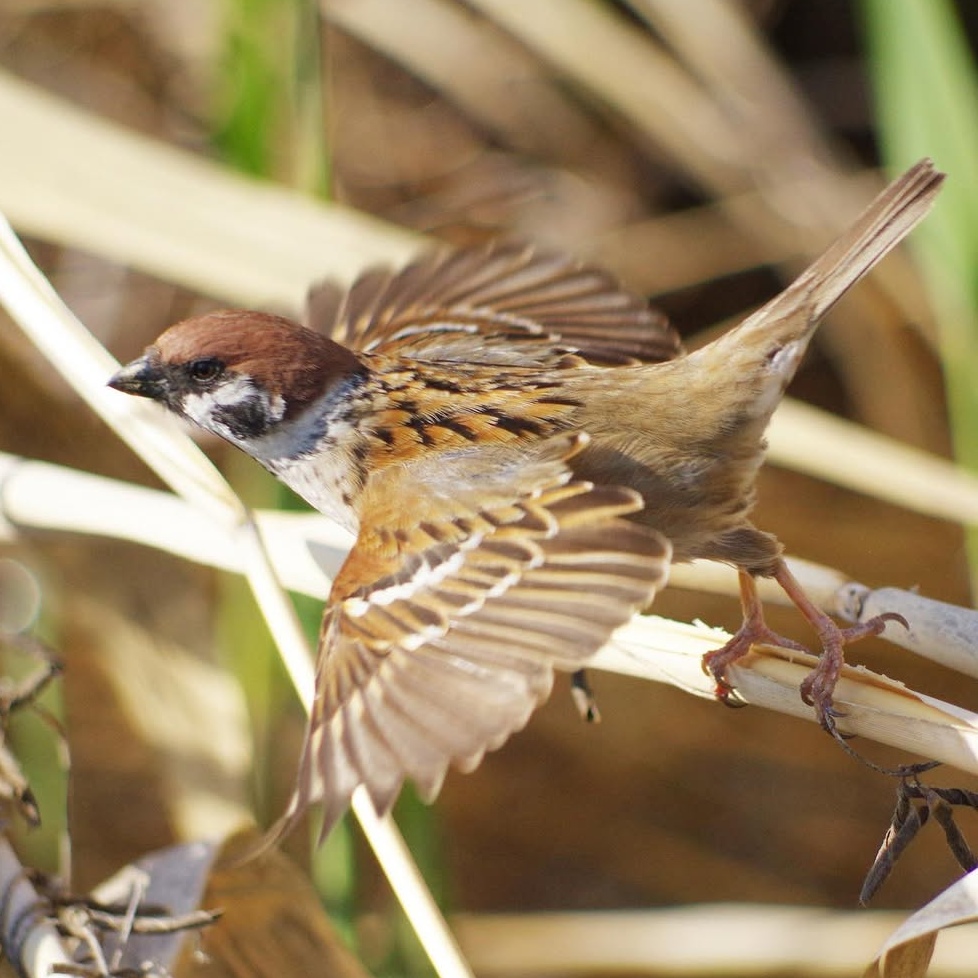
Yet, there is hope in their enduring spirit. The Eurasian tree sparrow continues to adapt, finding refuge in hedgerows, old buildings, and nest boxes provided by thoughtful humans. Small efforts—like preserving green spaces or planting native vegetation—can make a meaningful difference in sustaining their populations.
In many ways, the Eurasian tree sparrow is a symbol of coexistence. It does not dazzle with bright colors or dramatic songs, but it offers something equally valuable: a steady, comforting presence. In its quiet way, it teaches us to appreciate the beauty of the ordinary and to recognize that even the smallest lives contribute to the richness of our shared world.
%20(10).jpeg)