The Gentle Elegance of the Japanese Waxwing
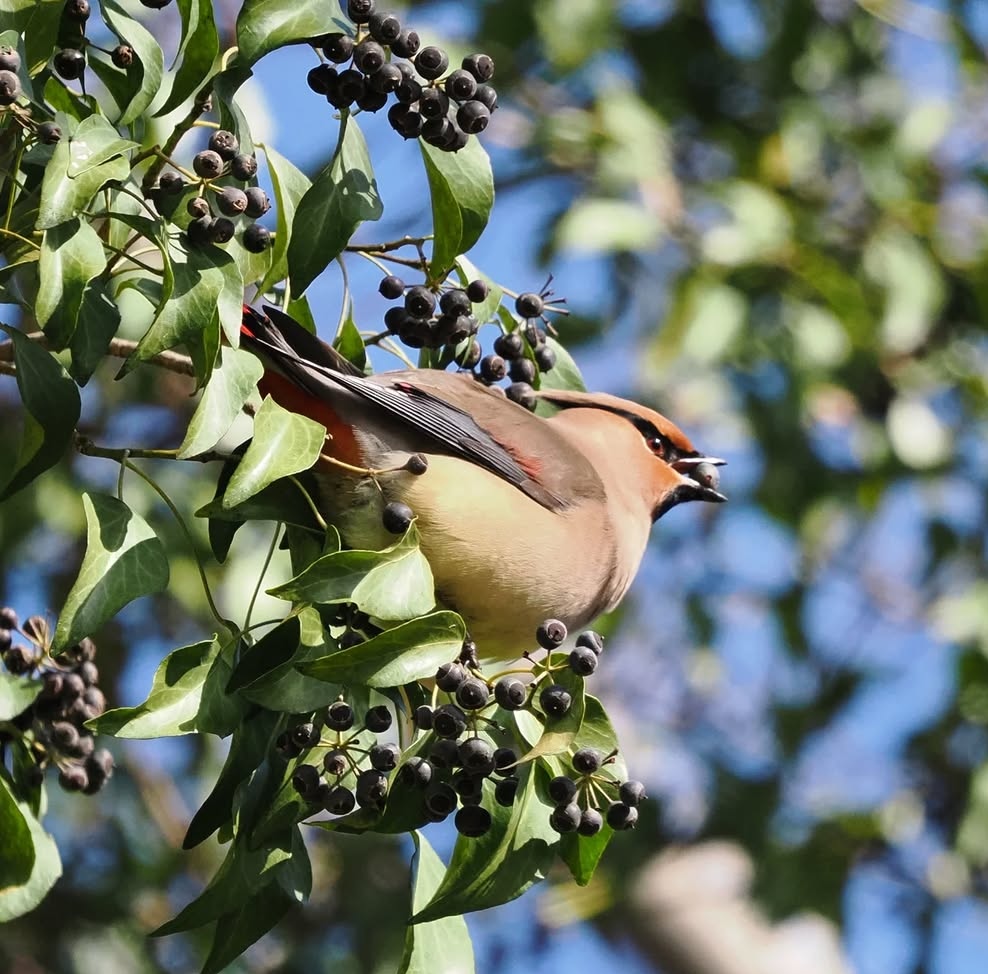
In the quiet stillness of winter forests, the Japanese waxwing appears like a fleeting brushstroke of artistry. With its soft gray plumage, subtle blush tones, and a delicate crest that rises like a crown, this bird embodies understated beauty. Unlike louder, more flamboyant species, the Japanese waxwing captivates through grace and harmony, blending seamlessly into the frosted branches it inhabits.
Native to parts of East Asia, particularly Japan, Korea, and eastern regions of China, this bird is known for its migratory habits. As seasons change, flocks travel in search of fruit-bearing trees, creating a sense of movement and rhythm in nature. Their journeys are not just about survival but also a quiet reminder of how deeply life is connected to the cycles of the earth.
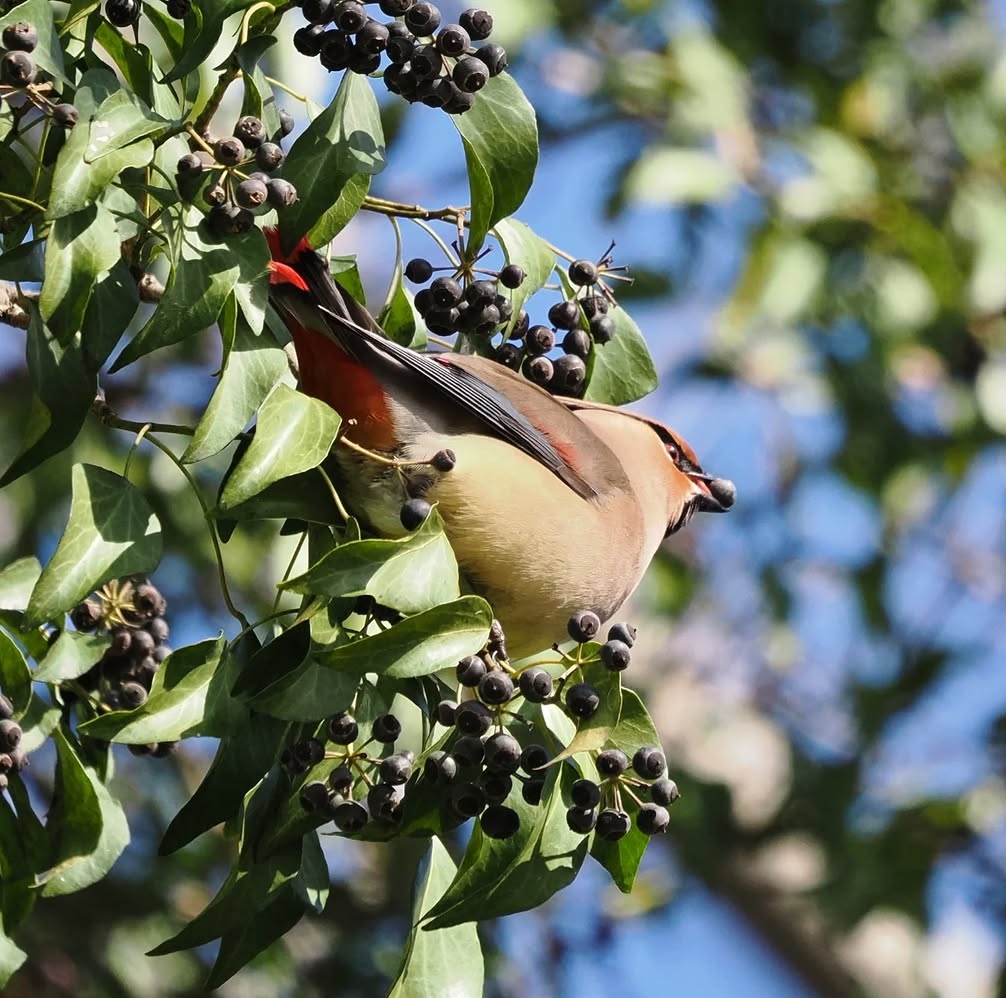
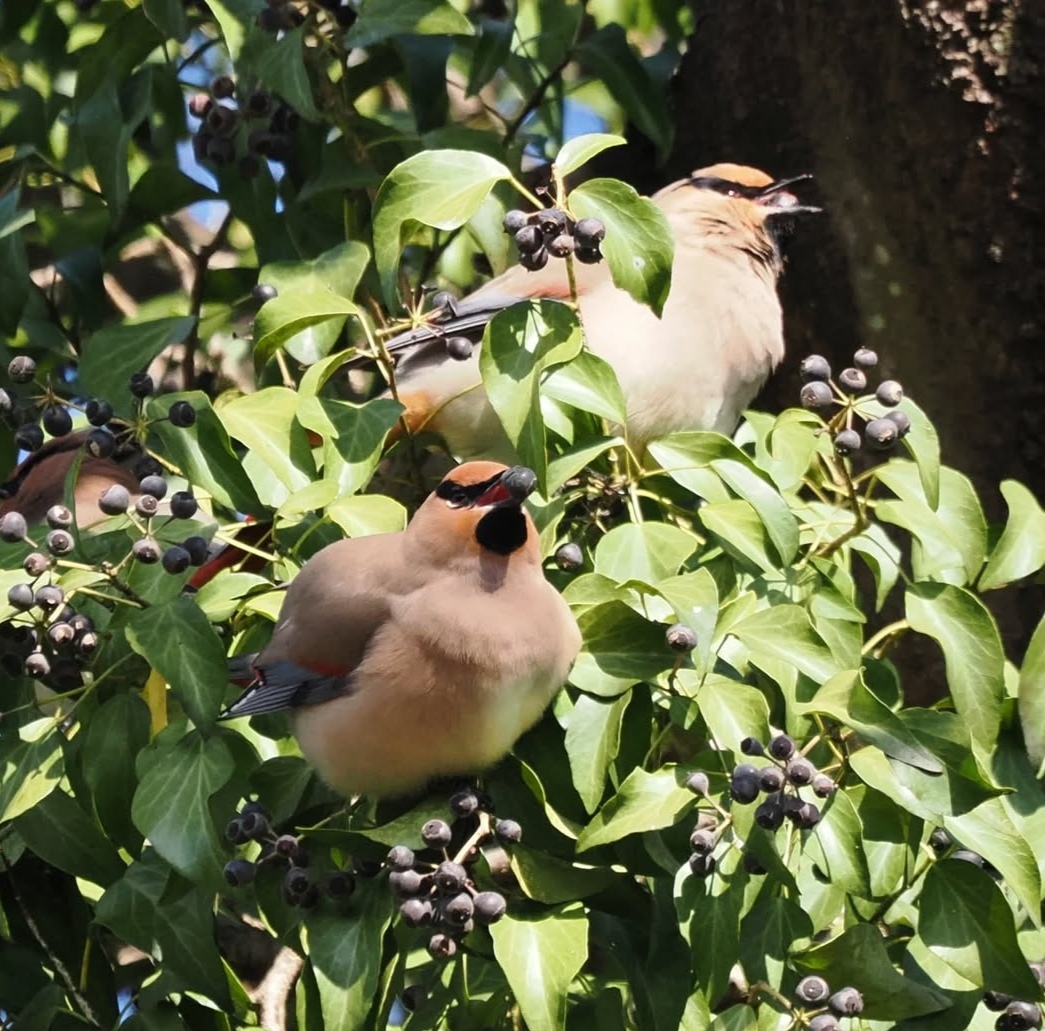
What truly distinguishes the Japanese waxwing is its fondness for berries. From mistletoe to mountain ash, these birds thrive on nature’s small, vibrant offerings. Watching them feed is almost poetic—their synchronized movements and gentle calls create a soft symphony in the winter air. It is in these moments that one realizes how even the simplest acts in nature carry a profound sense of beauty.
Social by nature, Japanese waxwings are rarely seen alone. They move in flocks, maintaining close bonds that reflect cooperation and unity. There is something deeply human in their togetherness—a quiet lesson about community, resilience, and shared purpose. In a world often defined by noise and haste, their calm presence offers a soothing contrast.
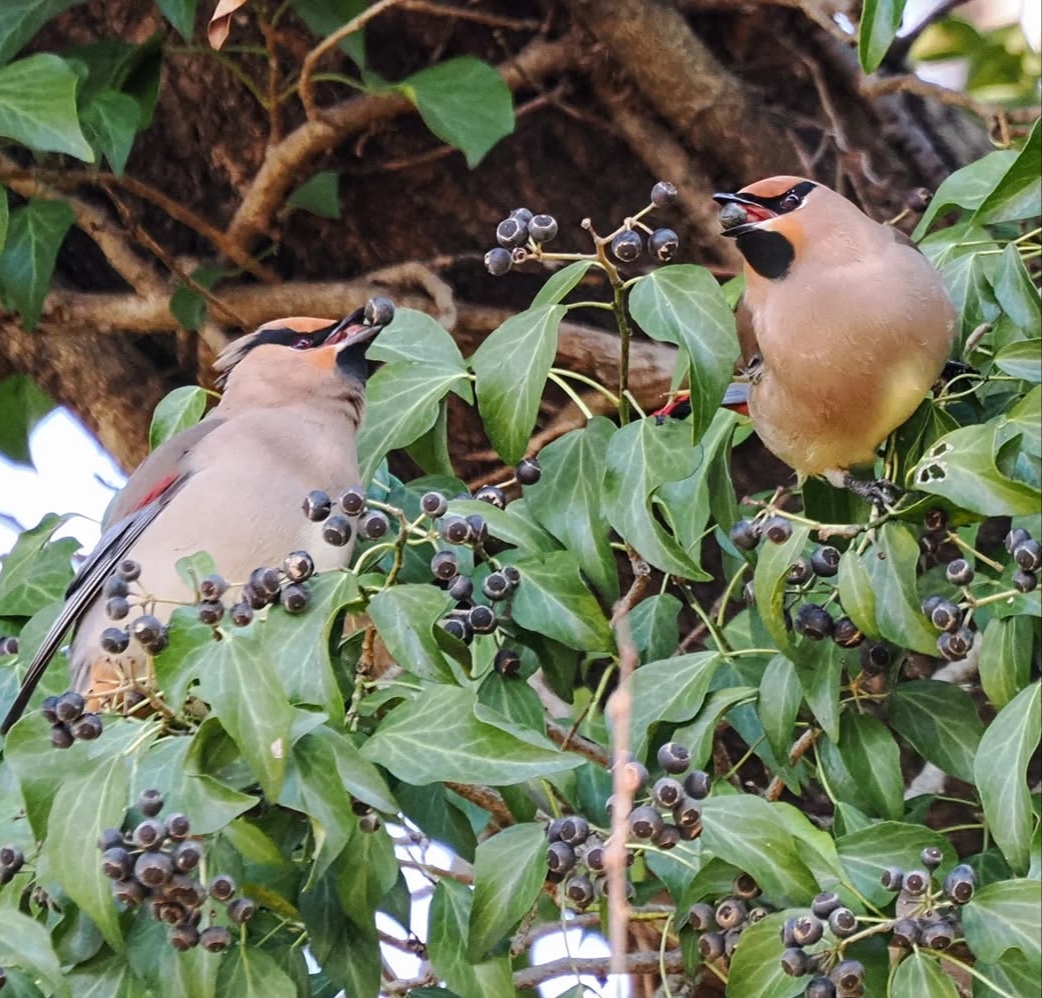
Despite their elegance, these birds face challenges brought on by habitat changes and environmental pressures. The loss of fruiting trees and shifting climates can disrupt their migratory paths. Protecting their habitats is not just about preserving a species; it is about safeguarding a delicate thread in the intricate tapestry of life.
Ultimately, the Japanese waxwing is more than just a bird—it is a symbol of subtle beauty, seasonal rhythm, and quiet connection. To encounter one, even briefly, is to be reminded that nature does not always shout to be seen. Sometimes, it whispers—and in that whisper lies a profound and lasting wonder.
%20(10).jpeg)