Betel Nut Palm: The Graceful Tree of Tropical Life
The Betel Nut Palm, also known as the areca palm, is one of the most familiar and elegant trees found across tropical regions. With its tall, slender trunk and crown of feathery green leaves, it adds a touch of beauty to village landscapes, gardens, and homesteads. Standing proudly against the sky, this palm has long been a symbol of tradition, hospitality, and rural life in many Asian countries.
Beyond its attractive appearance, the Betel Nut Palm plays an important role in local culture. Its fruit, commonly known as betel nut, has been used for generations in social and cultural practices. Sharing betel nut is often associated with welcoming guests, celebrating special occasions, and maintaining long-standing customs. In many communities, the palm is more than just a tree—it is a living connection to heritage and identity.
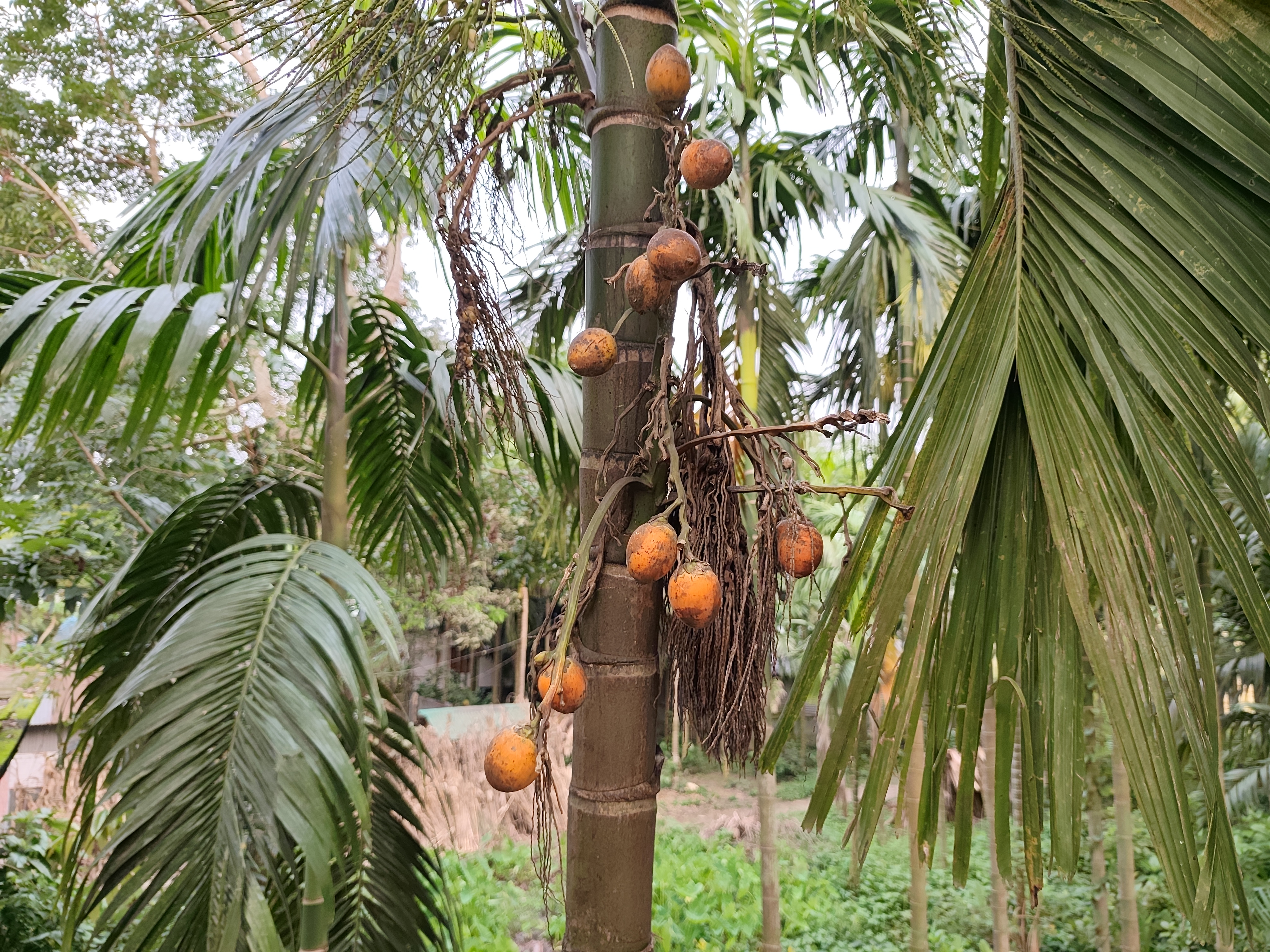
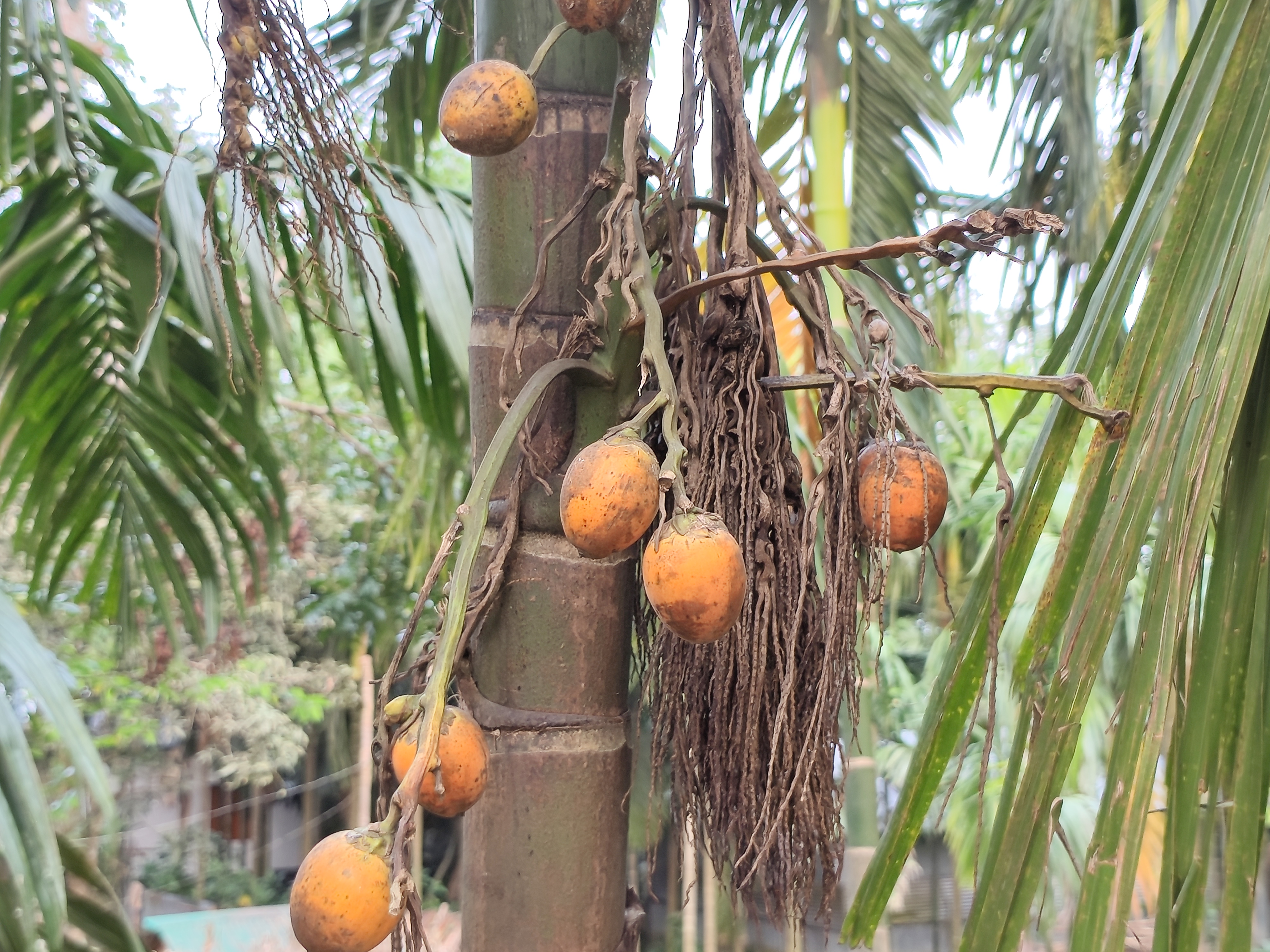
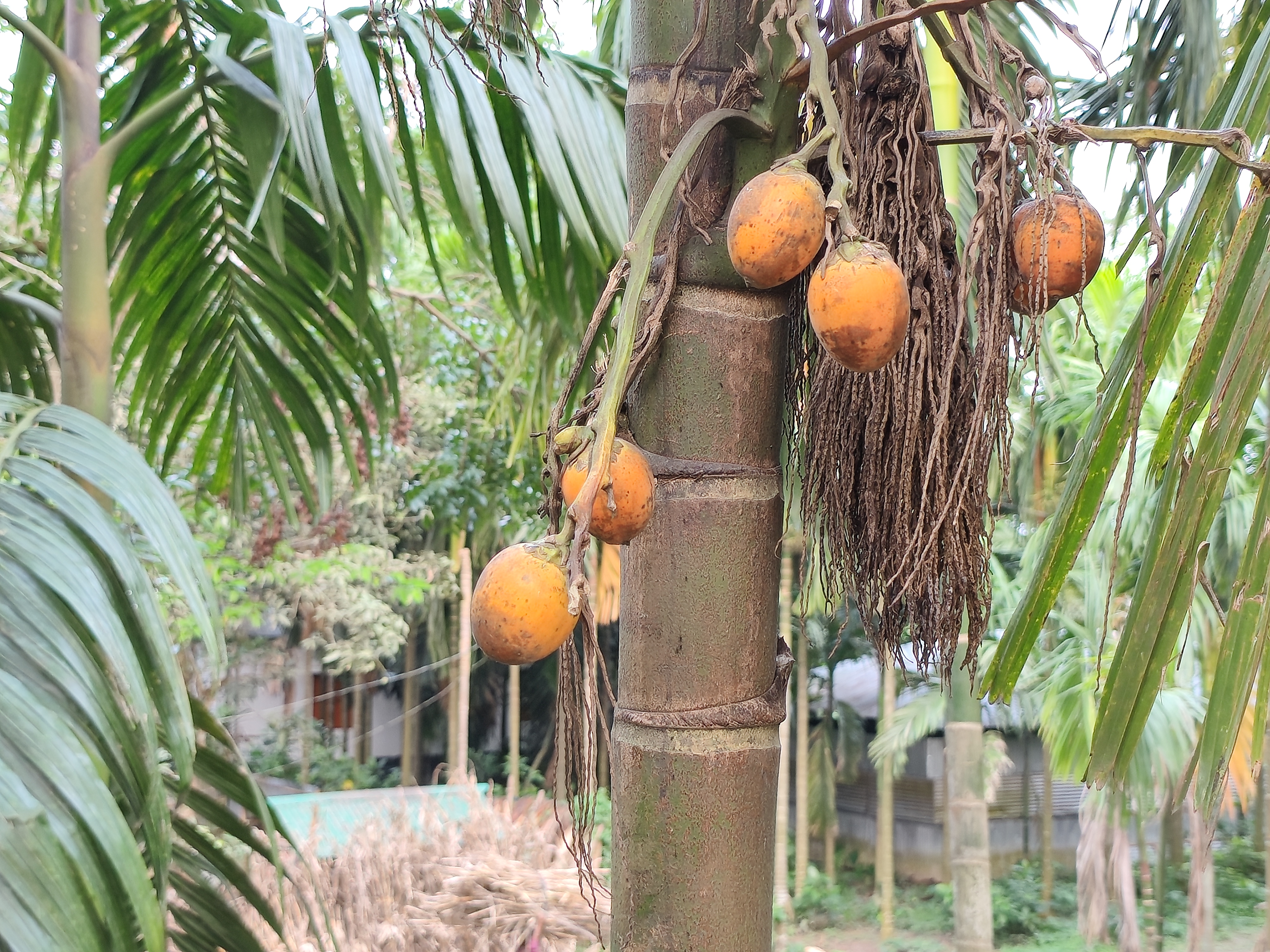
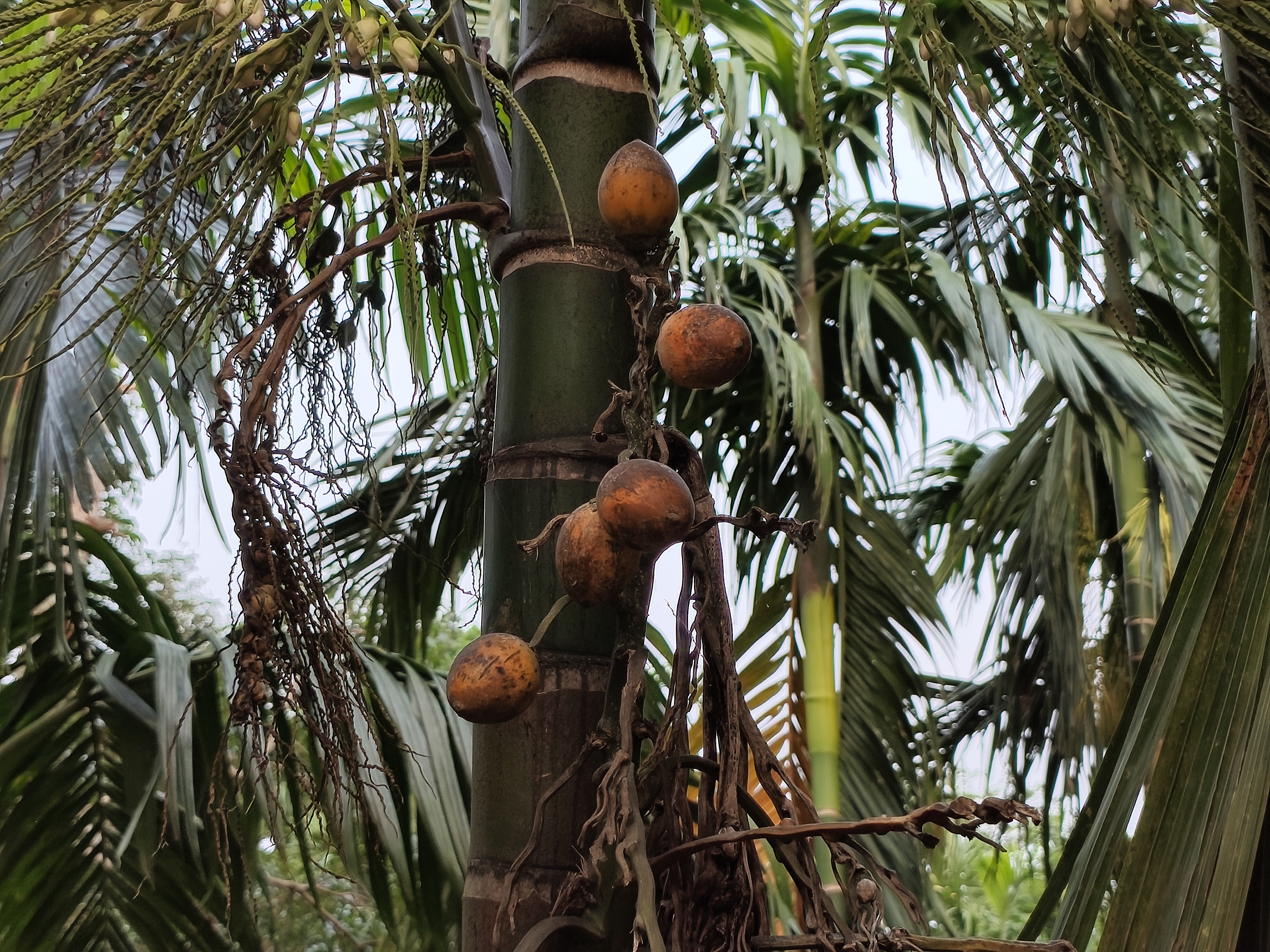
The tree thrives in warm, humid climates and requires relatively little care once established. Farmers and homeowners appreciate its resilience and ability to grow in a variety of soil conditions. Its upright growth habit makes it suitable for small spaces, while rows of Betel Nut Palms create striking natural avenues that enhance the beauty of rural roads and agricultural landscapes.
The Betel Nut Palm also supports local economies. For countless families, the harvesting and sale of betel nuts provide a valuable source of income. Markets often display piles of freshly harvested nuts, reflecting the tree’s economic significance. Its leaves and other parts are sometimes utilized in traditional crafts and practical household applications, ensuring that very little of the tree goes to waste.