Guava Fruit: Nature’s Sweet and Humble Treasure
Guava is one of those fruits that quietly wins hearts without demanding attention. With its green skin, soft flesh, and refreshing aroma, this tropical fruit carries the warmth of village gardens and sunny afternoons. Whether eaten raw with a sprinkle of salt and chili or blended into juice, guava has a comforting simplicity that makes it deeply loved across generations. Beneath its modest appearance lies a fruit rich in flavor, nutrition, and cultural memory.
One of the most remarkable things about guava is its incredible health value. Packed with vitamin C, fiber, and antioxidants, guava supports immunity, digestion, and overall well-being. Many people consider it a natural shield against seasonal illnesses. Unlike expensive imported fruits, guava grows generously in many tropical regions, making it an affordable and accessible source of nutrition for families. Its leaves are even used in traditional remedies, showing how every part of the plant holds value.
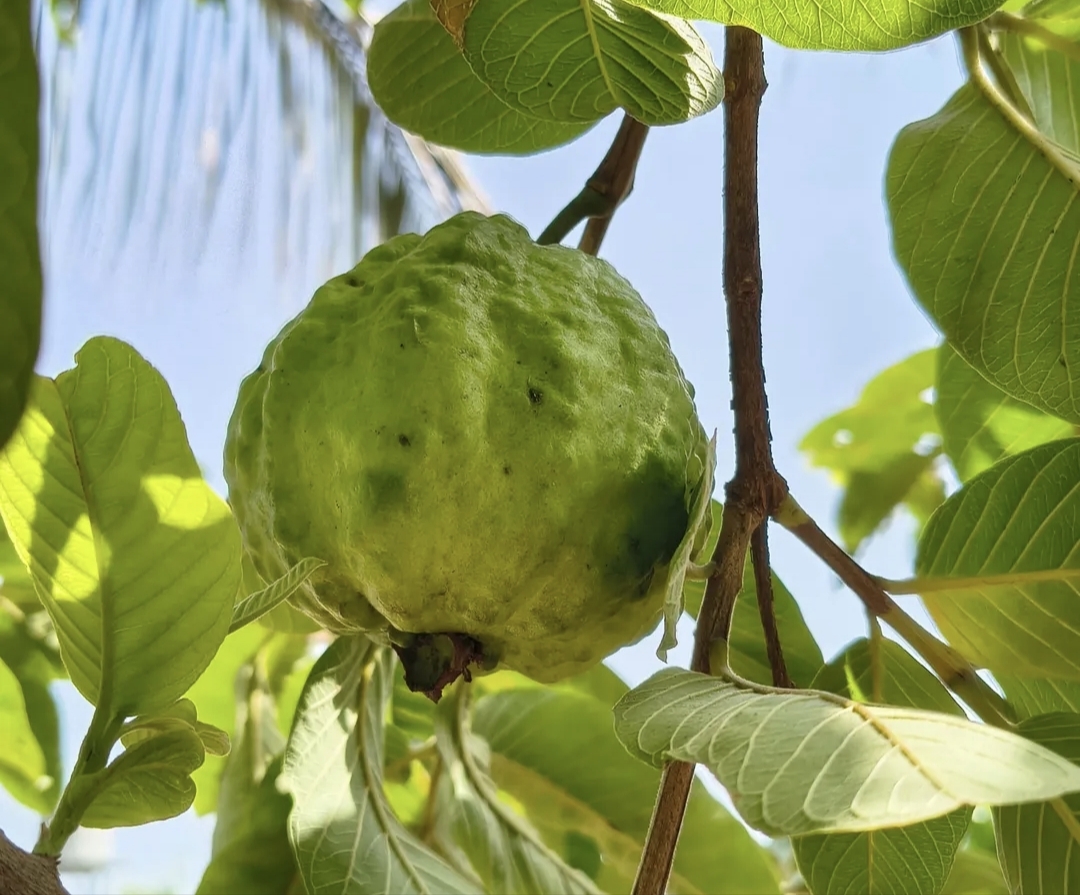
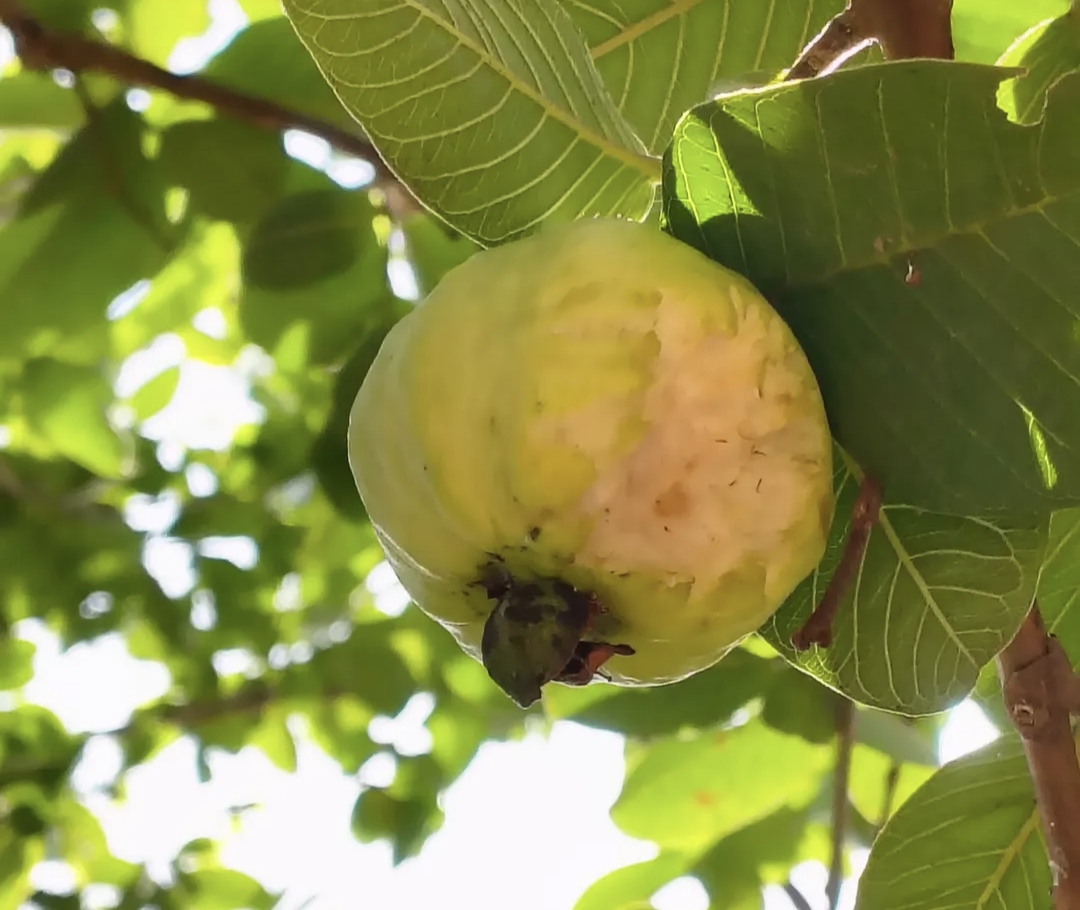
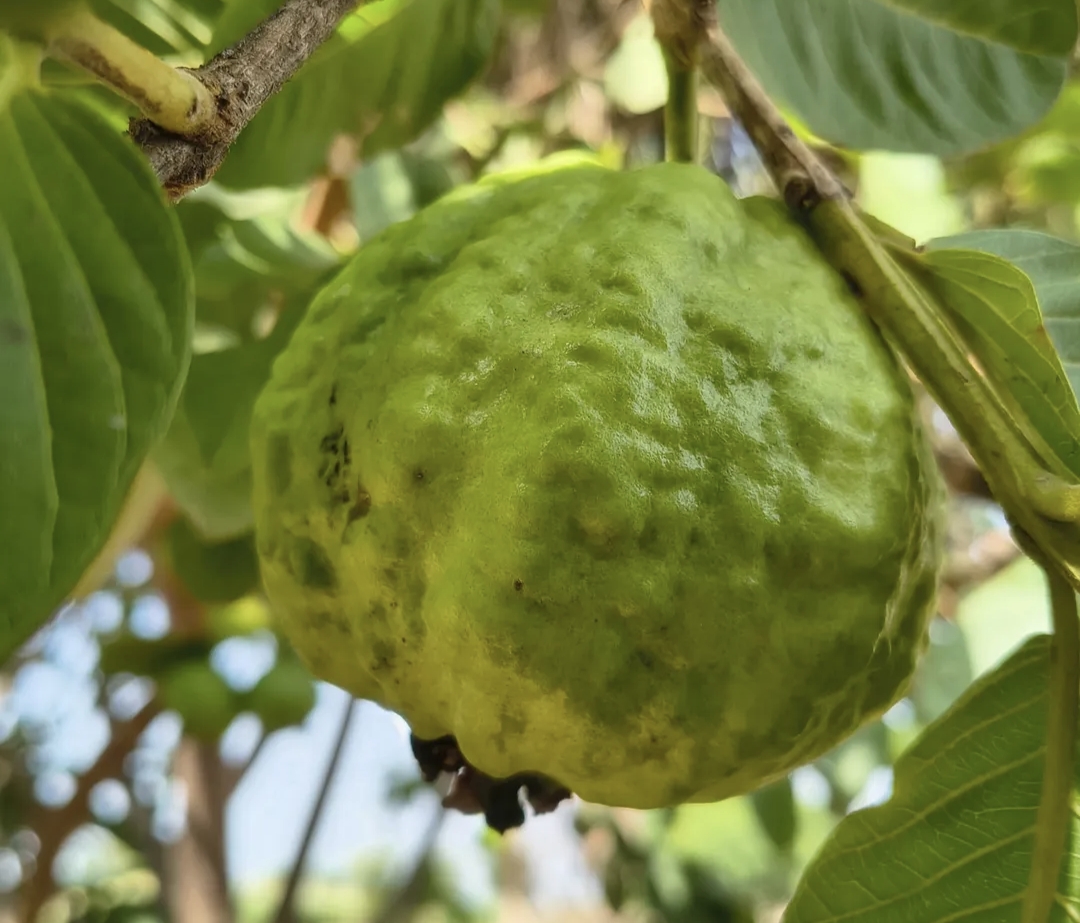
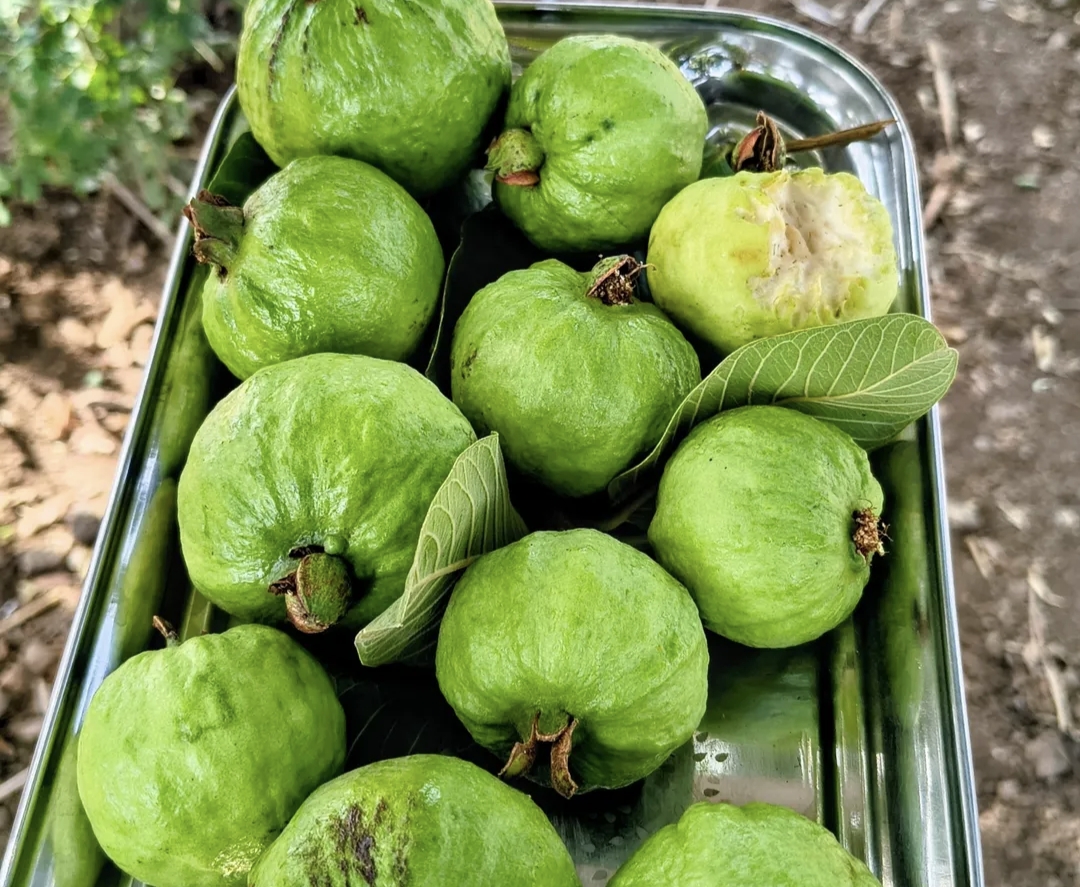
Beyond nutrition, guava also carries emotional connections for many people. In rural areas, guava trees often stand beside ponds, pathways, or family homes, offering shade and fruit to anyone nearby. Children climb the branches to pick the ripest ones, while elders sit beneath the tree sharing stories and laughter. The fruit becomes more than food—it becomes part of everyday life, woven into memories of childhood and togetherness.
Guava’s versatility is another reason for its popularity. It can be enjoyed fresh, turned into jams and jellies, mixed into fruit salads, or used in refreshing drinks. Some varieties have white flesh, while others glow pink inside, each with its own unique taste and texture. The balance of sweetness and mild tanginess makes guava refreshing during hot weather and comforting during quiet moments. Even its crunchy seeds add character to the eating experience.