Neem Tree: Nature’s Healing Guardian
The Neem tree is one of the most respected and beneficial trees found in tropical regions. Scientifically known as Azadirachta indica, this evergreen tree is admired for its medicinal value, cooling shade, and remarkable resilience. With its wide branches and rich green leaves, the Neem tree stands as a symbol of health and endurance in villages, gardens, and roadside landscapes. For generations, people have valued this tree not only for its beauty but also for its ability to support both human life and the environment.
One of the most extraordinary qualities of the Neem tree is its medicinal importance. Almost every part of the tree — leaves, bark, seeds, flowers, and oil — has been used in traditional remedies for centuries. Neem leaves are often known for their antibacterial and cleansing properties, while Neem oil is widely used in skincare and natural farming practices. In many households, the tree is considered a natural protector because of its ability to repel insects and purify the surrounding environment.
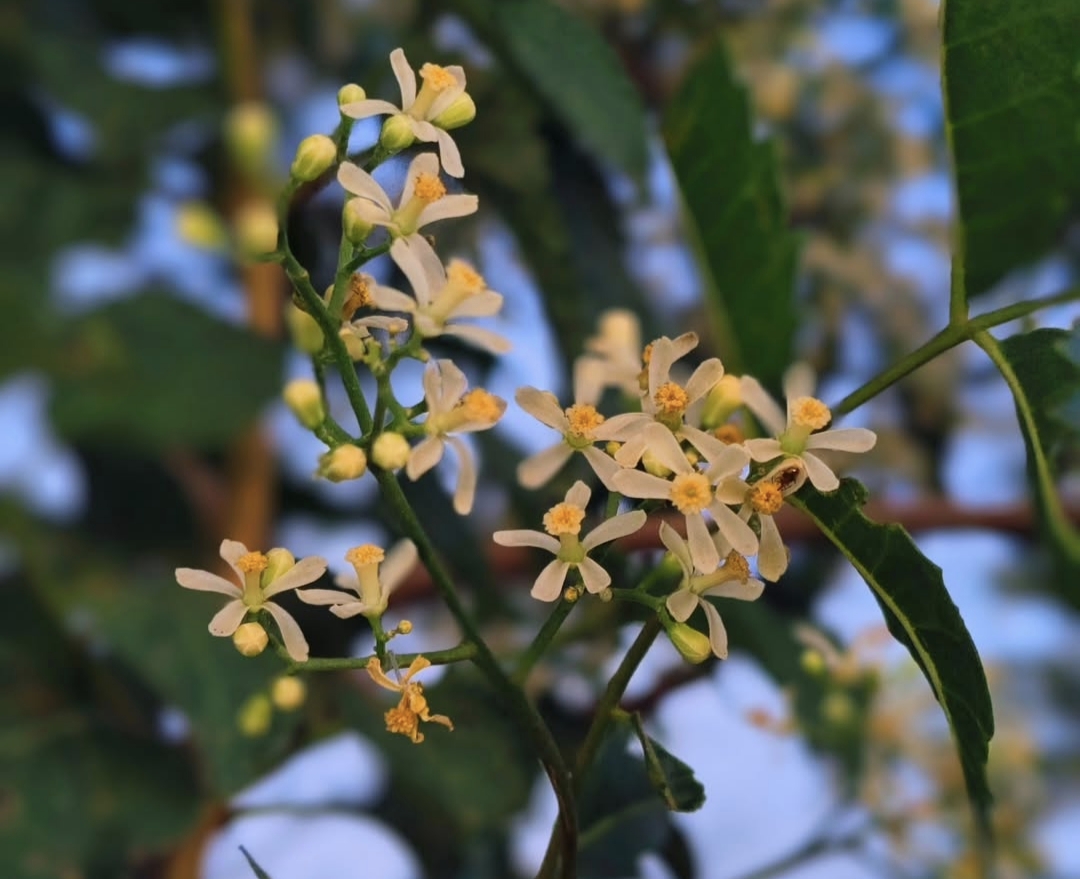
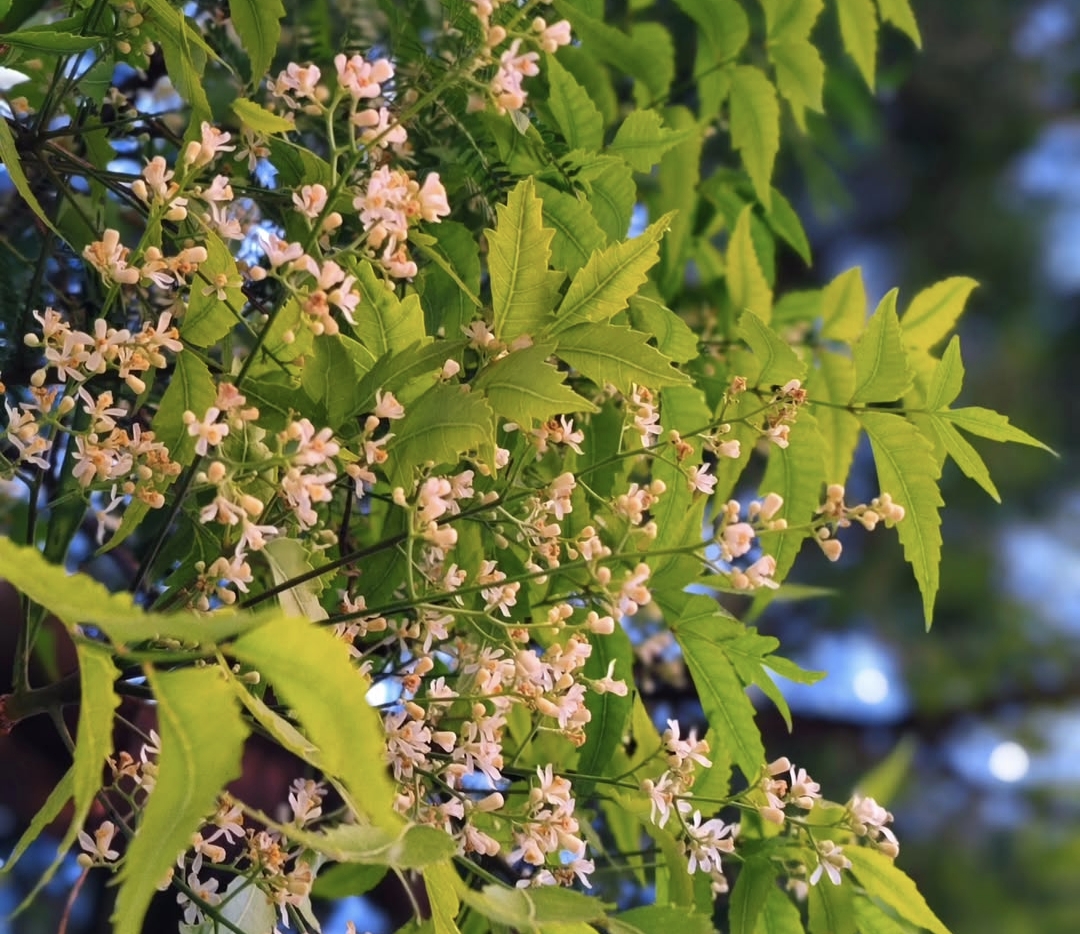
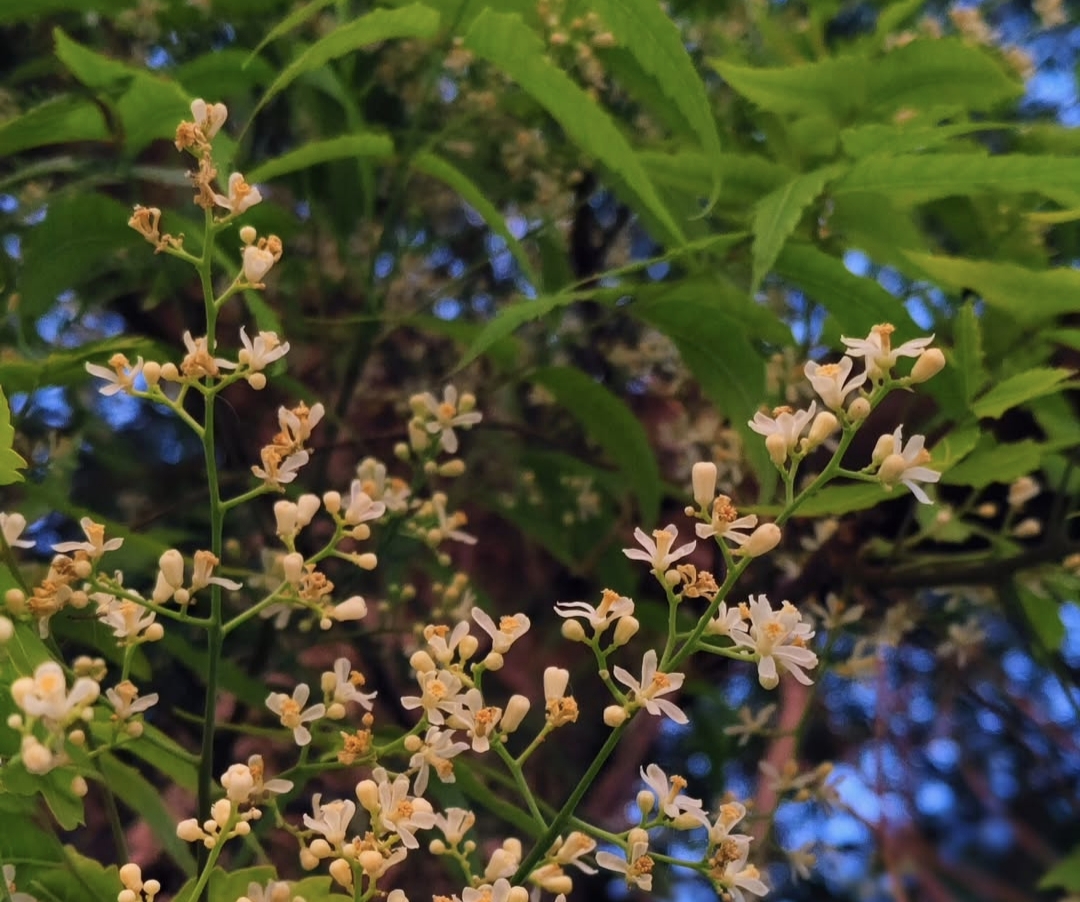
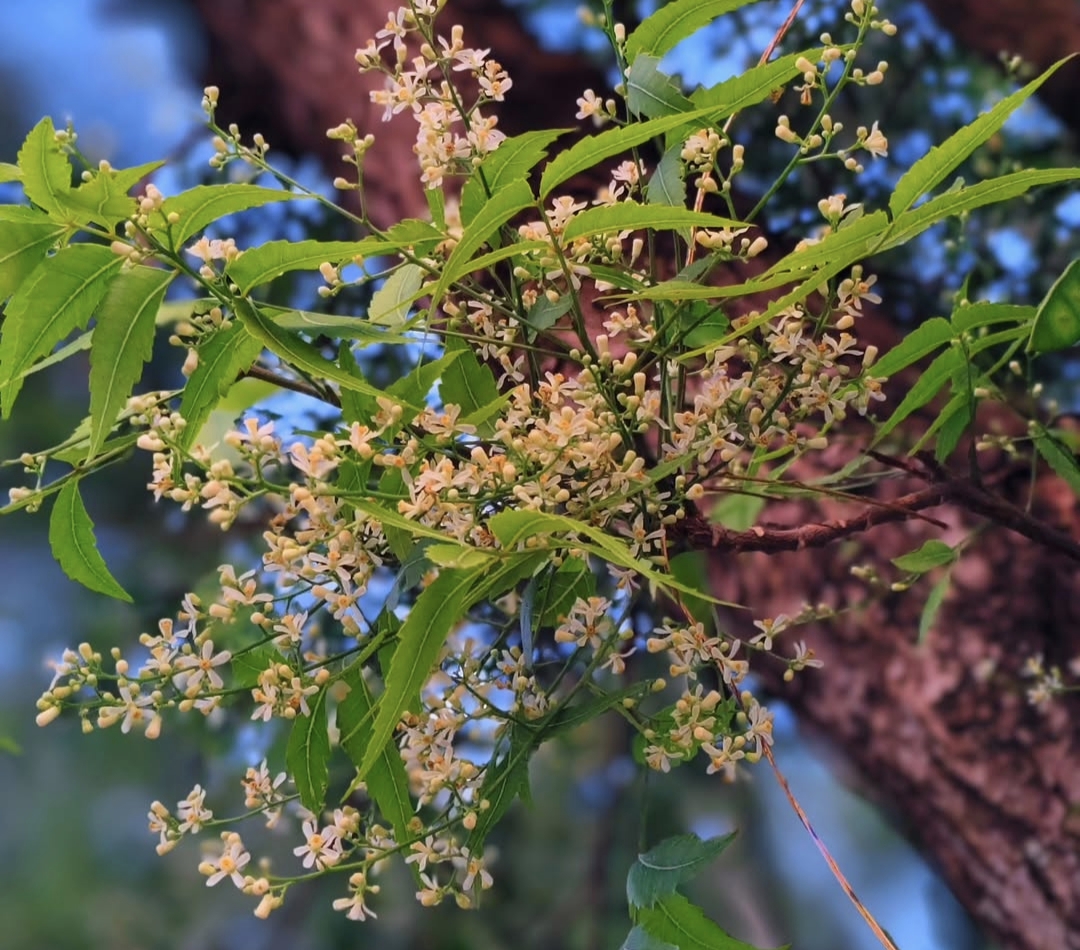
The Neem tree thrives in hot and dry climates and requires very little maintenance once established. Its deep roots help it survive harsh weather conditions, making it an important tree in areas prone to drought. During the flowering season, small white blossoms appear among the leaves, releasing a soft and pleasant fragrance. Birds often nest in its branches, while people rest beneath its cooling shade during warm afternoons.
More than just a tree, the Neem represents the deep connection between nature and human well-being. It teaches the value of resilience, healing, and balance in the natural world. Whether standing beside a village road, growing in a courtyard, or flourishing in open fields, the Neem tree continues to provide comfort, protection, and quiet beauty to countless lives.