Rangoon Creeper: The Flower That Changes with the Heart
There is something deeply poetic about the Rangoon creeper, a flower that does not rush to reveal its full beauty. Known scientifically as Quisqualis indica, this climbing vine unfolds its story slowly, almost shyly, as if it understands that true charm lies in transformation. At first glance, its delicate white blossoms seem simple and unassuming. But with time, they begin to blush—soft pink at first, then deepening into a rich crimson—turning every cluster into a living canvas of change.
In many tropical gardens, the Rangoon creeper drapes itself over arches, fences, and old walls like a storyteller weaving memories into spaces we pass every day. Its cascading blooms hang in clusters, releasing a sweet, intoxicating fragrance, especially in the evening. It is the kind of scent that lingers—not just in the air, but in the mind—reminding us of quiet nights, gentle breezes, and the comfort of being still.
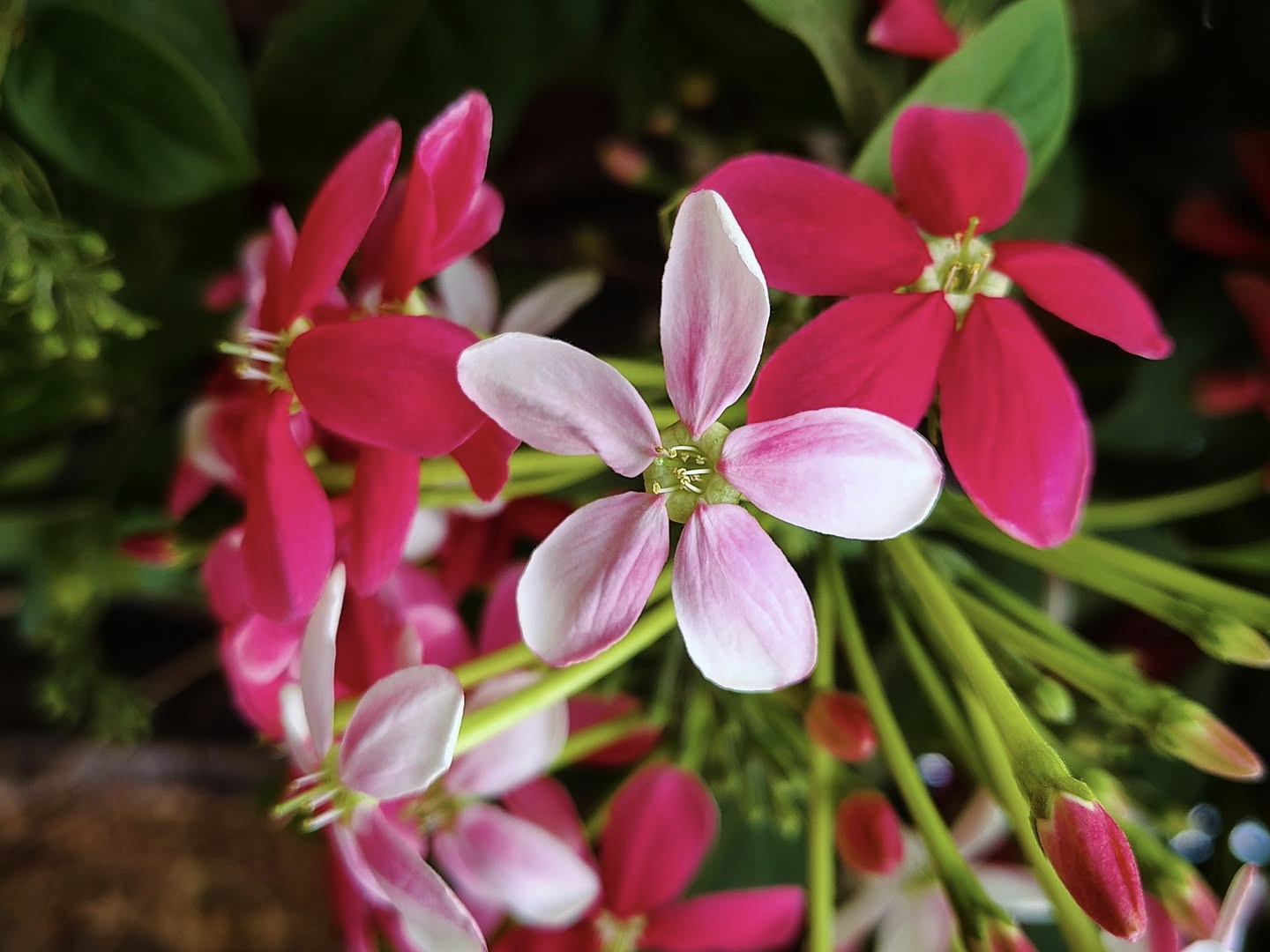
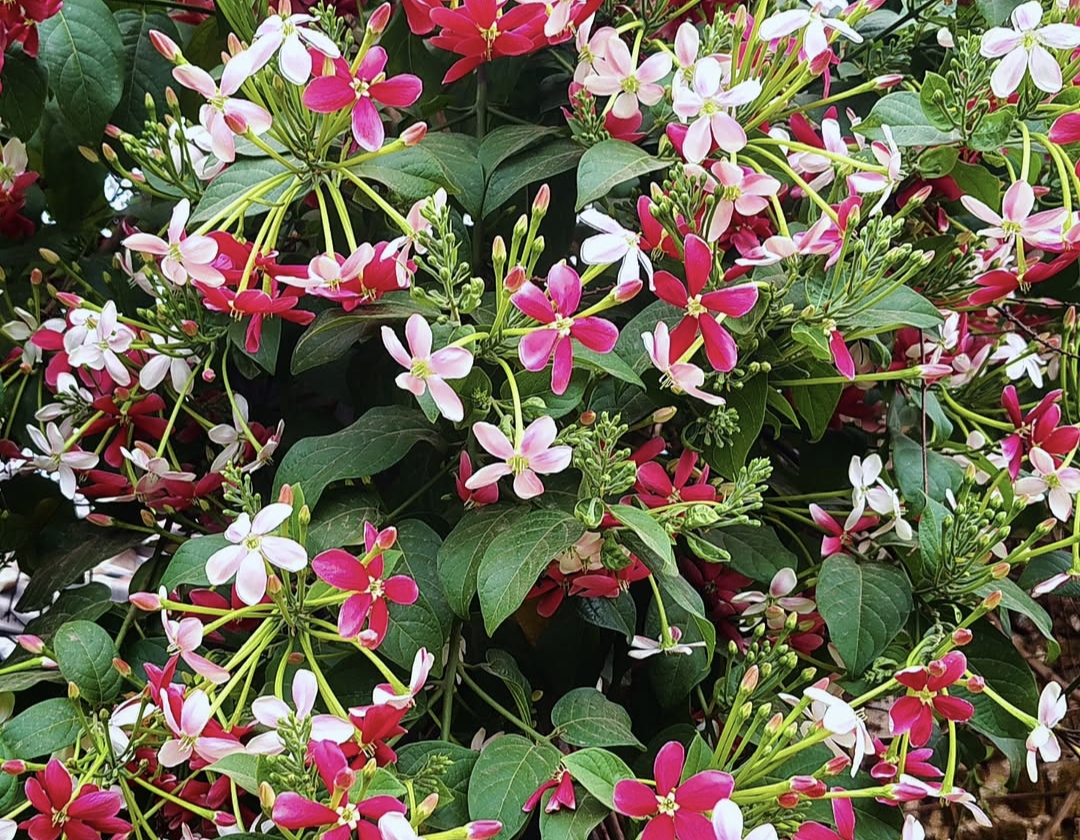
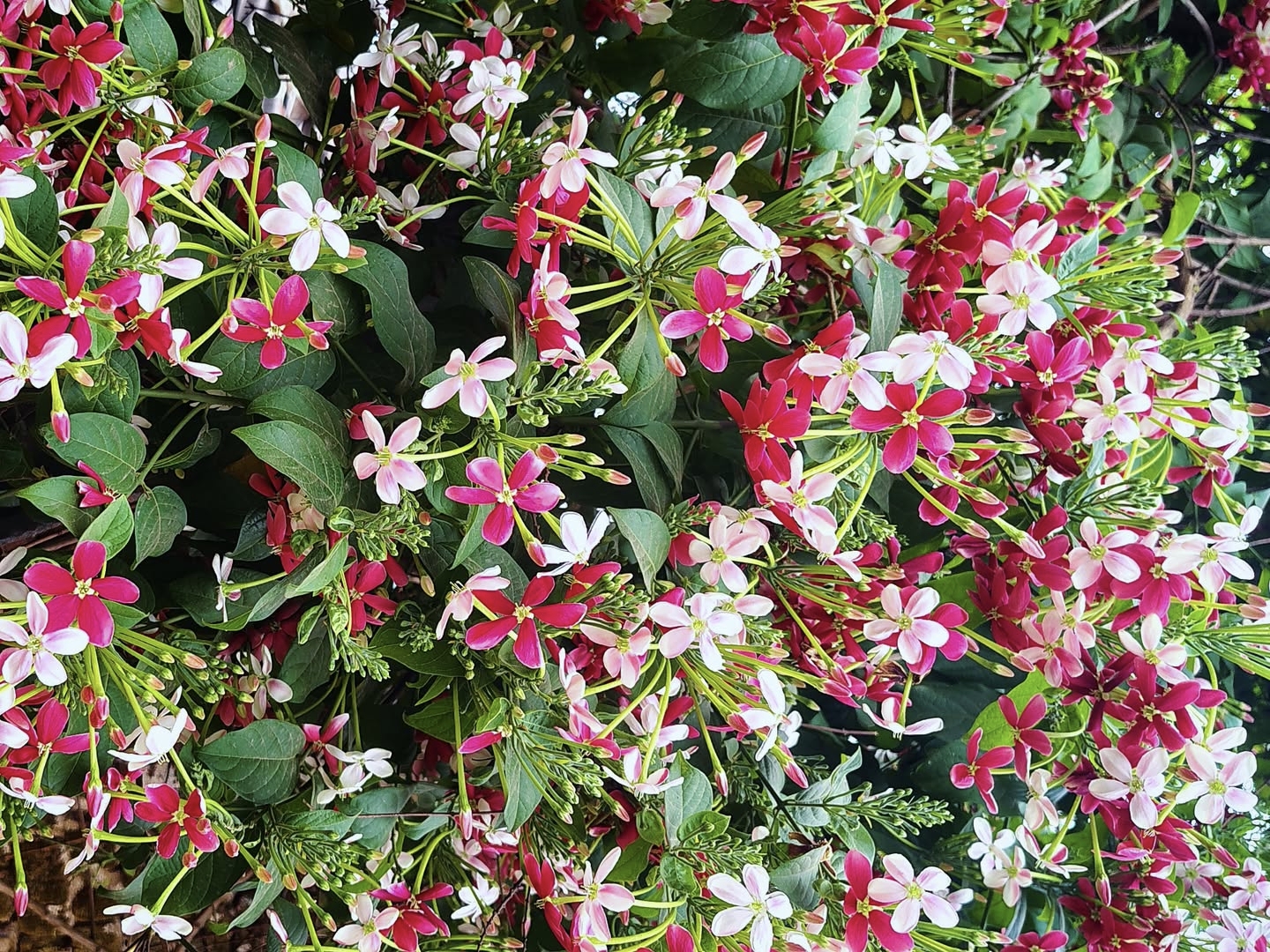
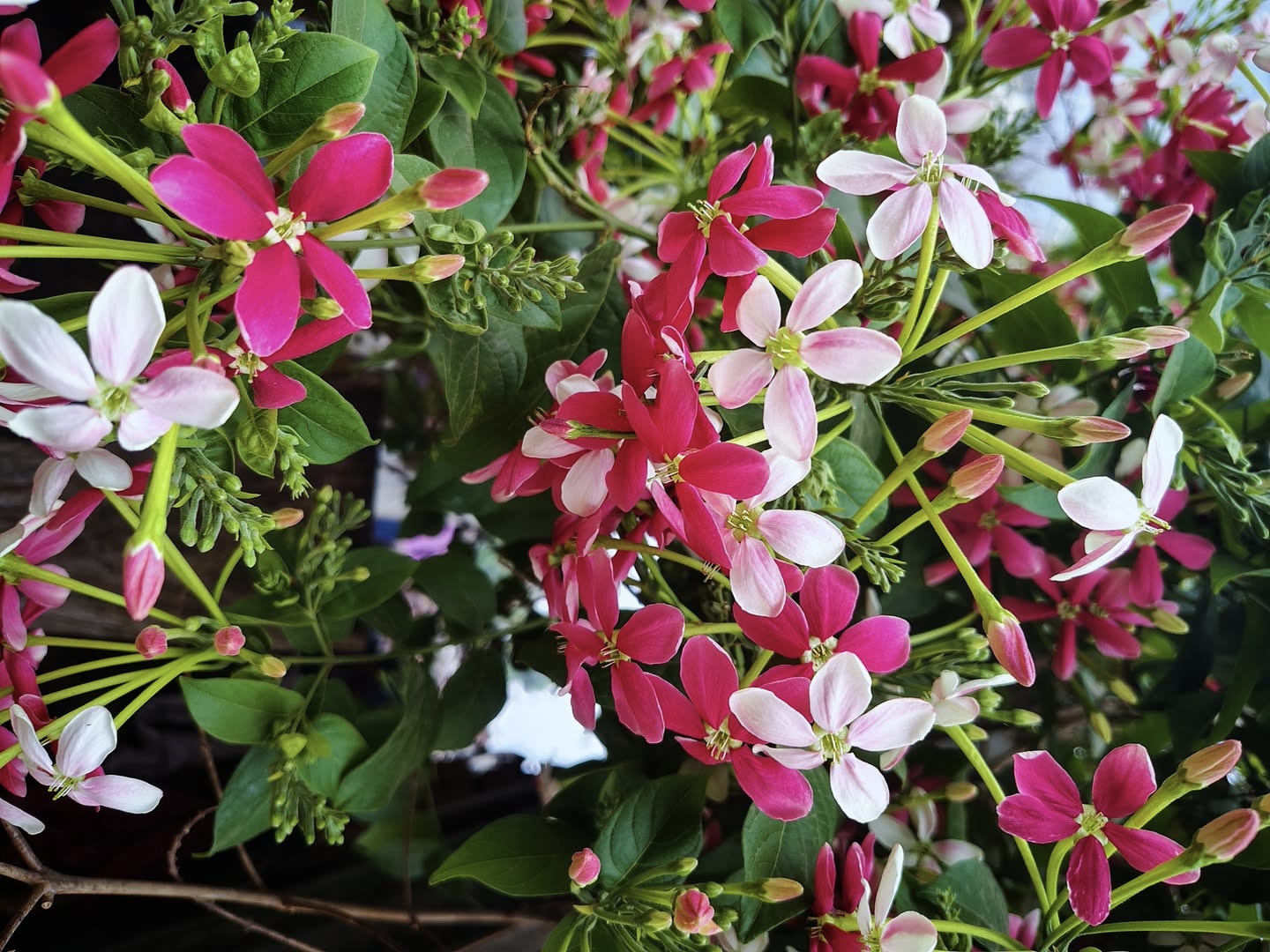
What makes this flower so profoundly human is its journey. Each bloom changes color as it ages, reflecting a silent narrative of growth and experience. It reminds us that beauty is not fixed; it evolves. Much like people, the Rangoon creeper teaches us that transformation is not something to fear, but something to embrace. The stages of its bloom mirror the phases of life—innocence, discovery, and depth—each equally beautiful in its own way.
Culturally, the Rangoon creeper carries a sense of nostalgia and belonging. In many South Asian homes, it is more than just a decorative plant; it is a companion to daily life. Children grow up beneath its shade, elders sit beside it in the evenings, and its presence becomes woven into the rhythm of home. Its resilience—thriving in heat, climbing tirelessly upward—makes it a quiet symbol of perseverance and hope.
Author and Photographer |
@nftkal | ||
Camera |
Redmi Note 14 Pro Plus | ||
Lens |
Defult Lens | ||
Category |
Nature | ||
Edited |
Lightroom CC | ||