The Ancient Goodness of Bael Fruit
The Bael fruit is one of nature’s hidden treasures, cherished for centuries across South Asia for both its refreshing taste and healing qualities. Covered in a hard woody shell, the fruit hides a fragrant golden pulp inside that carries a sweet, earthy flavor unlike any other tropical fruit. During hot summer days, bael juice becomes a beloved drink in many households, offering a cooling sensation that feels deeply comforting in the intense heat.
Beyond its unique taste, bael fruit holds an important place in traditional culture and herbal practices. Many people believe it supports digestion and helps maintain overall wellness. Rich in vitamins, fiber, and antioxidants, the fruit has long been associated with natural health remedies. Even the leaves and bark of the bael tree are valued in traditional medicine, making the entire tree meaningful in everyday rural life.
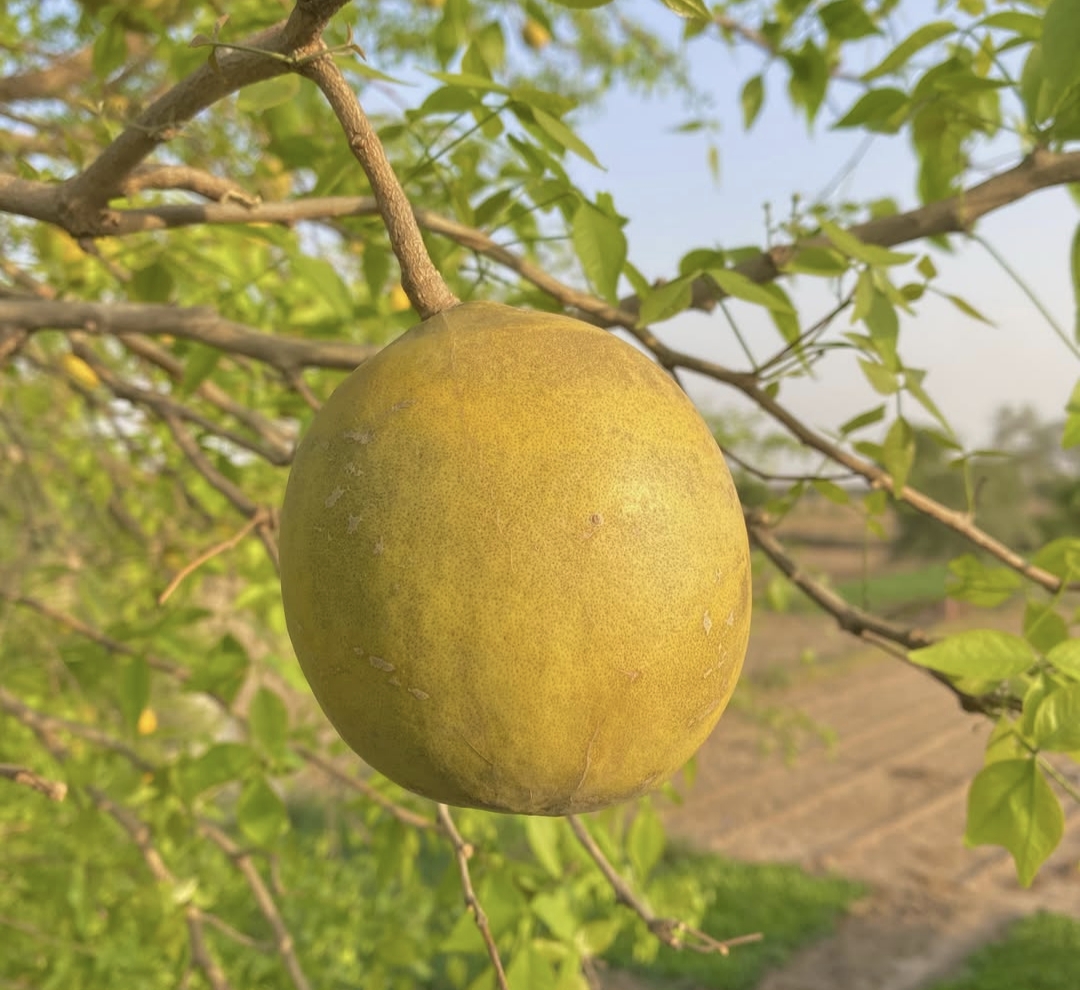
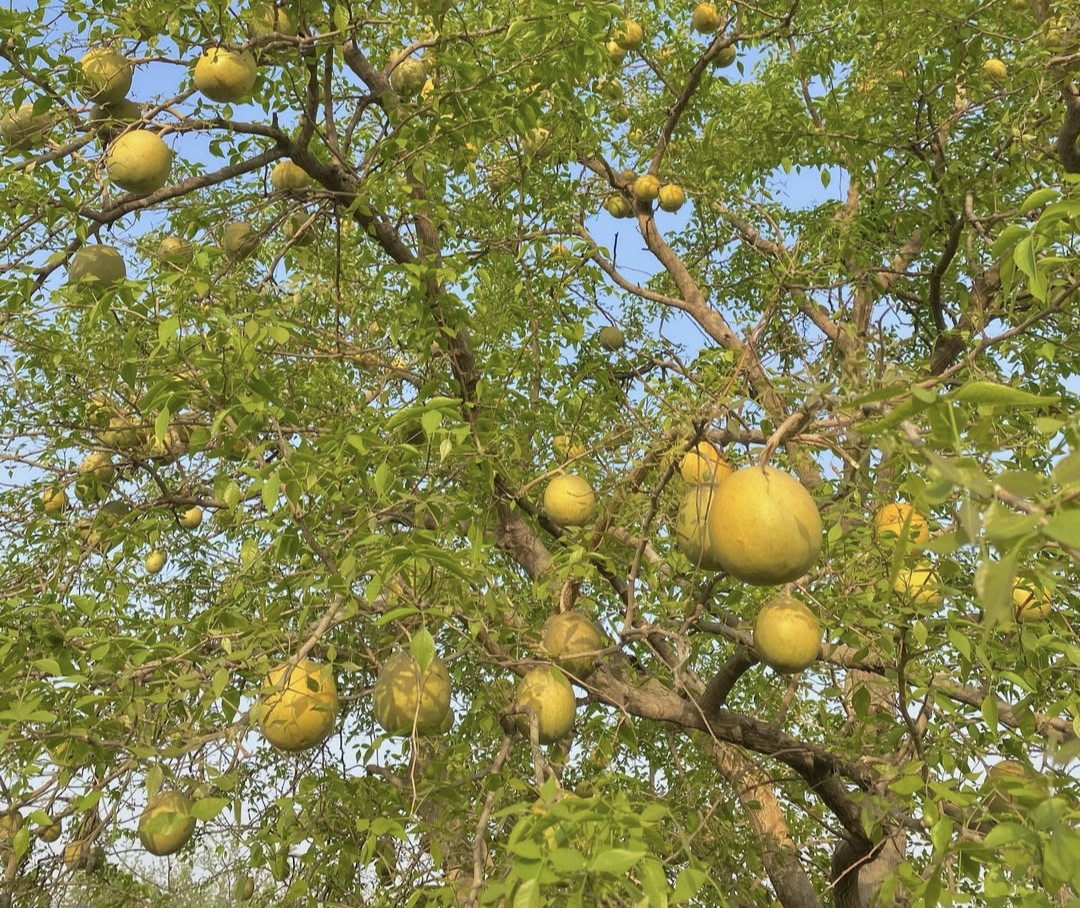
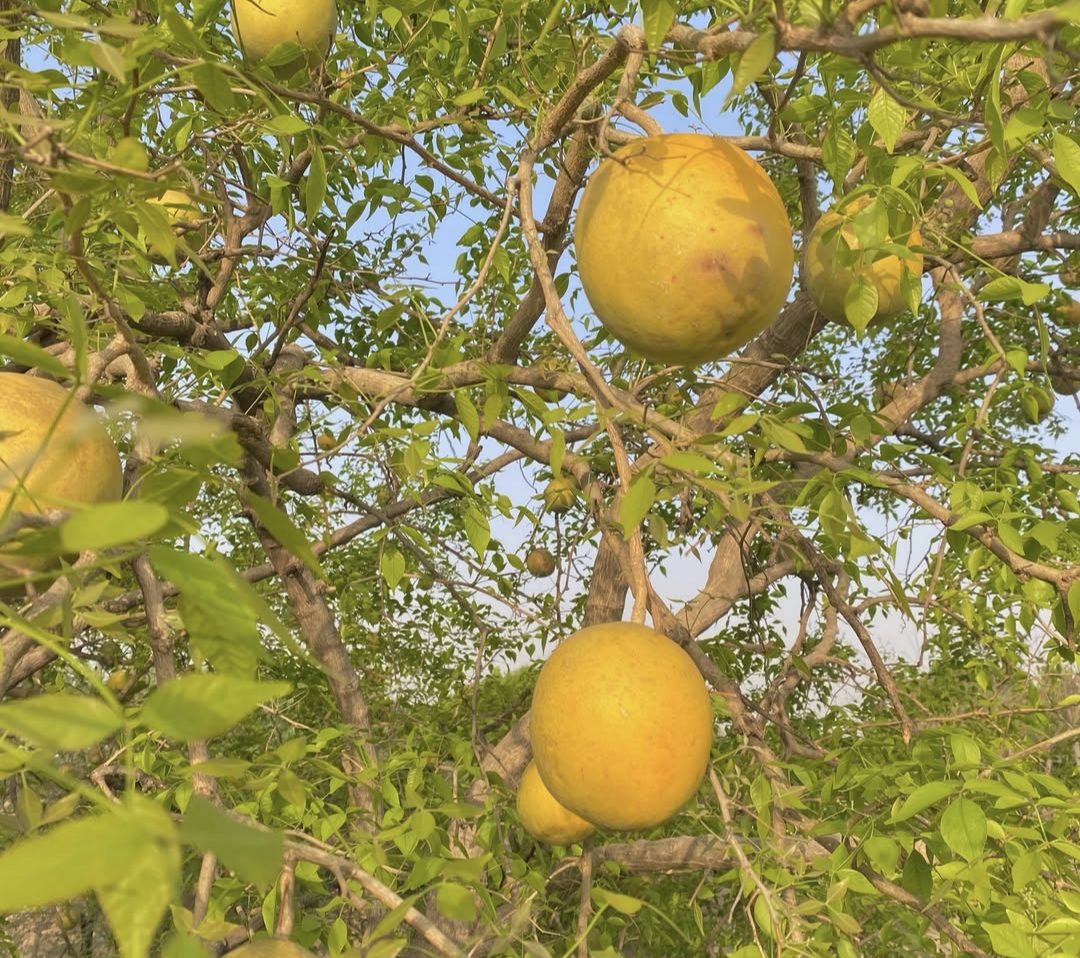
Walking near a bael tree during fruiting season is a peaceful experience. The tree stands strong and graceful, often thriving even in dry conditions where other plants struggle. Its resilience mirrors the quiet strength found in nature itself. Villages and gardens with bael trees often feel connected to older traditions, where people lived closely with the rhythms of the earth and respected the gifts of seasonal fruits.
Today, although many modern fruits dominate supermarkets, bael continues to hold a special place in the hearts of those who grew up enjoying its refreshing flavor. Whether served as a chilled drink, homemade jam, or eaten fresh from the shell, bael fruit carries memories of summer afternoons, family gatherings, and the timeless bond between people and nature. Its humble appearance hides a richness that reminds us that some of the greatest gifts are often the simplest ones.