Wild Rose Flower: Nature’s Untamed Poetry
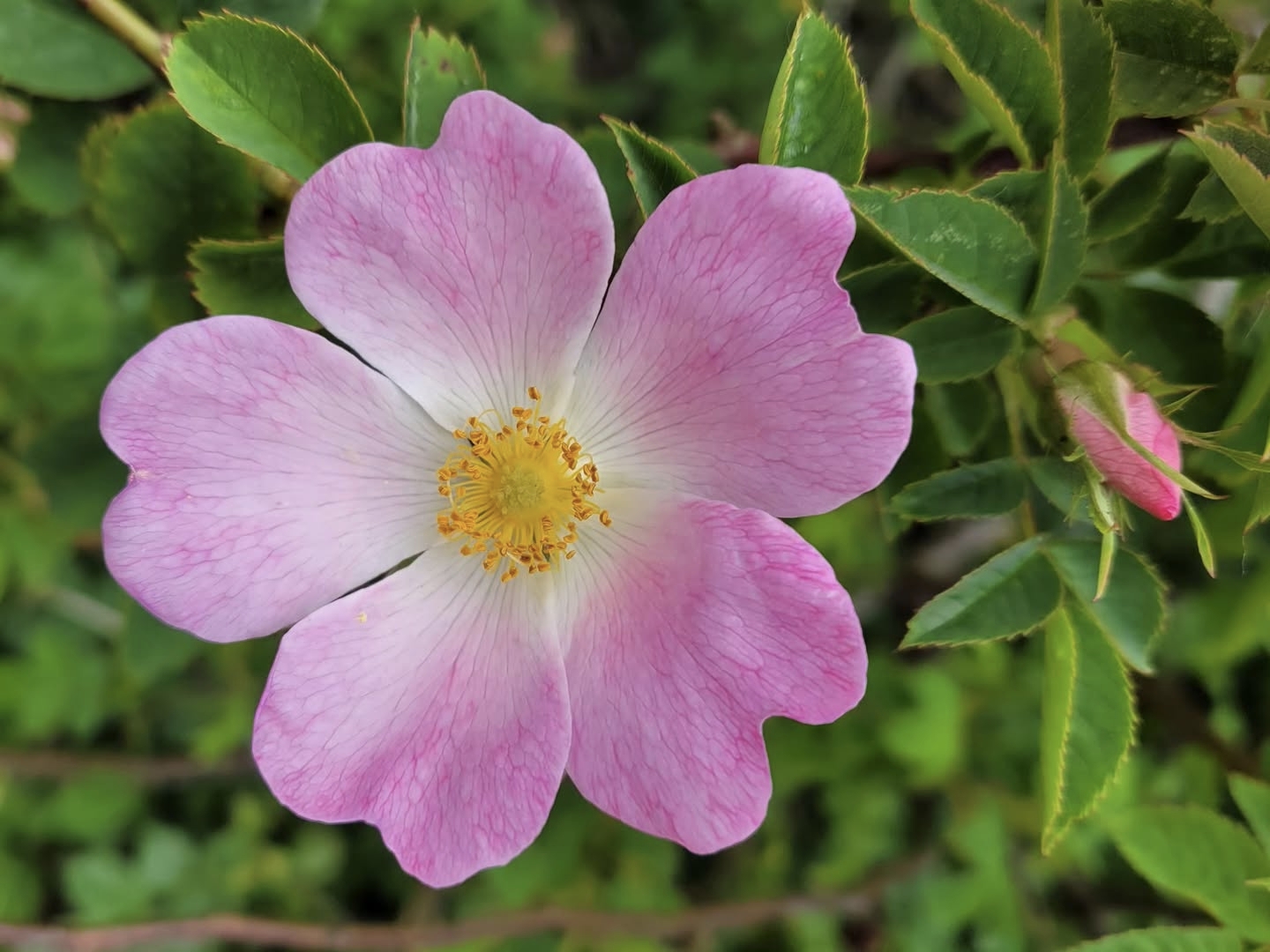
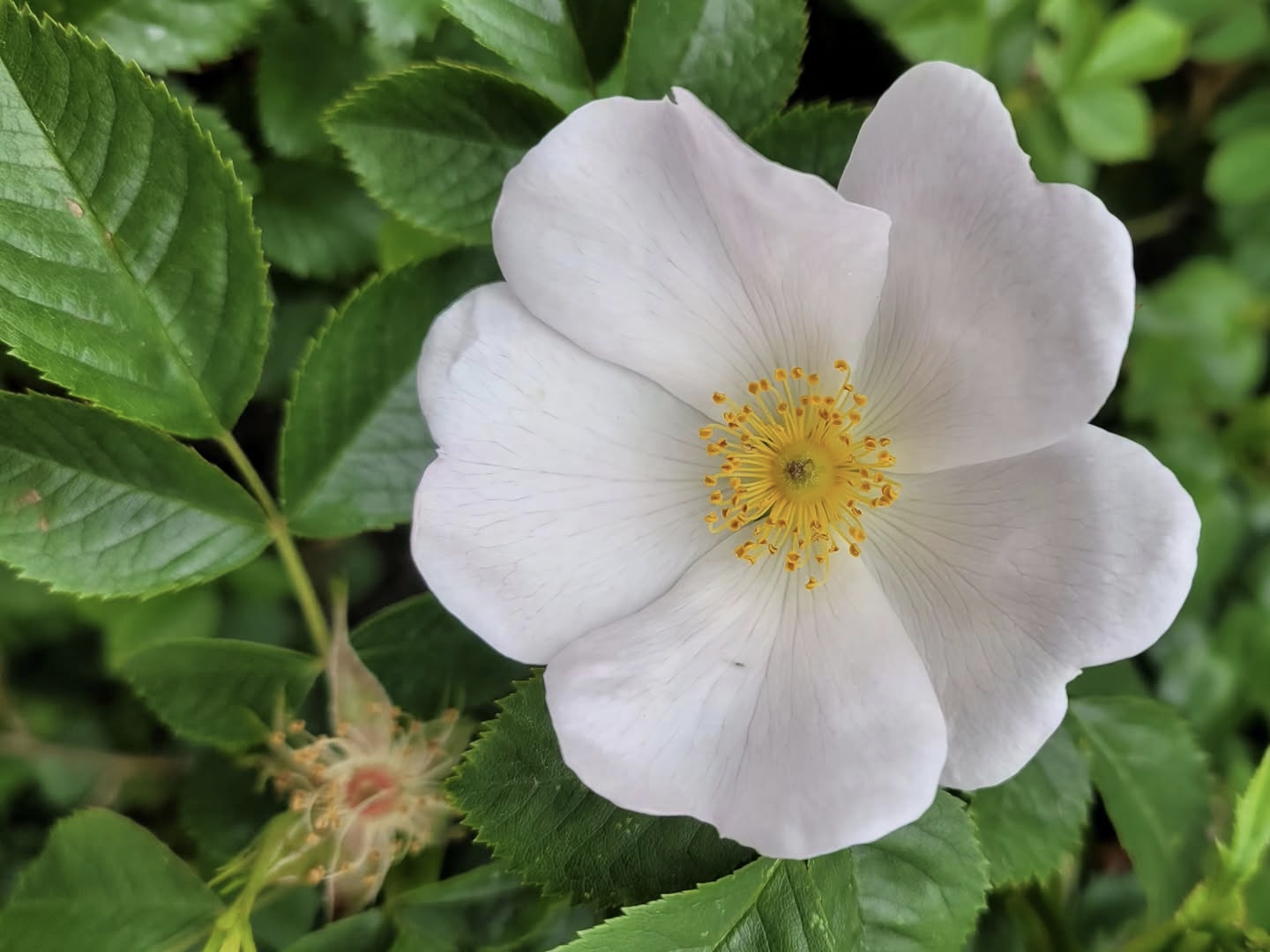
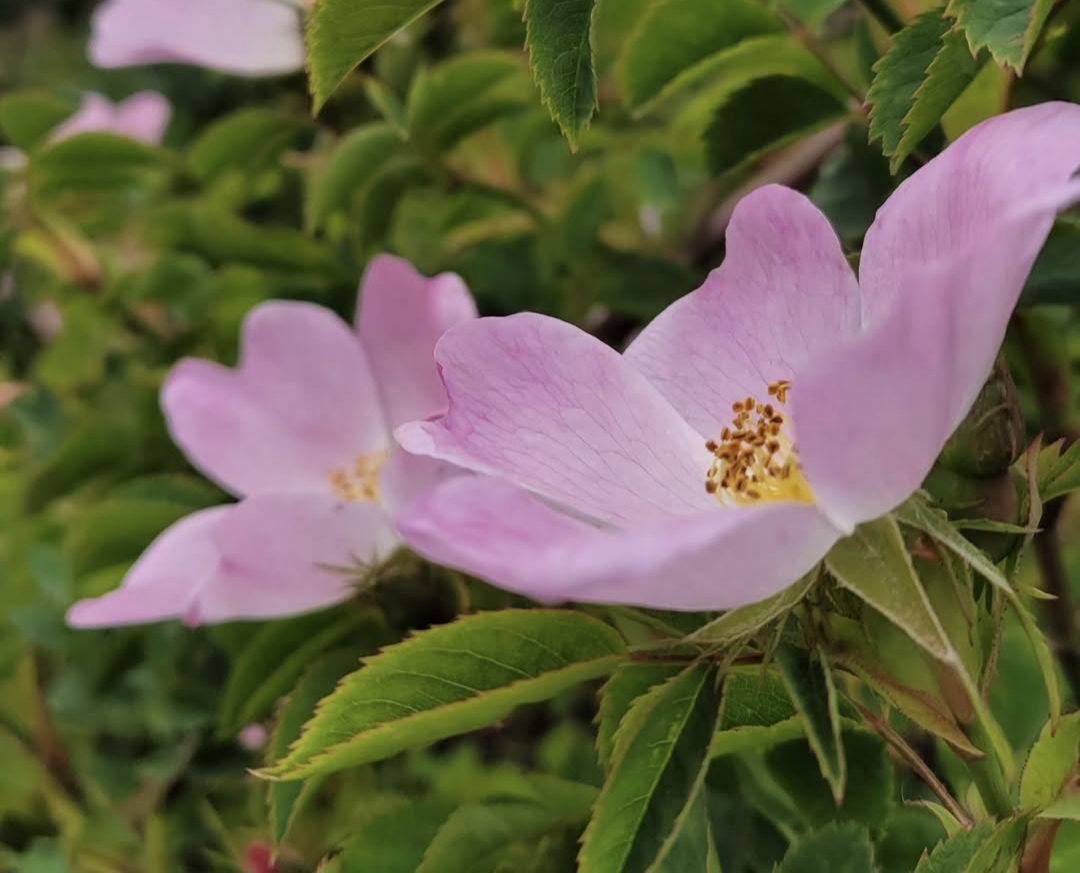
The wild rose flower carries a beauty that feels both delicate and fearless. Unlike carefully cultivated garden roses, wild roses bloom freely along forest edges, country roads, and open fields, embracing the unpredictability of nature. Their soft petals, often painted in shades of pink, white, or pale red, seem to hold the quiet charm of untouched landscapes. There is something deeply comforting about seeing a wild rose swaying gently in the wind, as though nature itself paused to create a simple masterpiece.
Wild roses are more than ornamental flowers; they symbolize resilience, freedom, and natural grace. These blossoms thrive without excessive care, enduring harsh weather and difficult soil conditions while continuing to bloom with elegance. Their ability to flourish in untamed places reminds us that true beauty often grows where life is most challenging. In many ways, the wild rose reflects the human spirit — strong enough to survive hardship, yet gentle enough to inspire kindness and hope.
One of the most enchanting qualities of wild roses is their fragrance. Unlike overly processed floral scents, the aroma of a wild rose feels light, fresh, and authentic. It drifts softly through the air, attracting bees, butterflies, and birds that depend on the flower’s nectar and fruit. After blooming, many wild rose plants produce bright rose hips, small fruits rich in nutrients and often used in herbal teas and traditional remedies. This makes the flower not only beautiful but also valuable within natural ecosystems and human culture.
Throughout history, wild roses have appeared in poetry, folklore, and art as symbols of love, mystery, and fleeting moments. Their blossoms are short-lived, which adds to their emotional power. A blooming wild rose teaches us to appreciate temporary beauty and to cherish quiet moments before they fade away. People walking through countryside paths often stop to admire these flowers, finding peace in their humble and unpretentious presence.