The Enchanting Beauty of the Hollyhock Flower
Towering gracefully in cottage gardens and along old stone walls, the hollyhock (Alcea rosea) is a timeless favorite among gardeners and flower lovers alike. With its tall, stately stalks and vibrant, cup-shaped blooms, the hollyhock adds a touch of vintage charm and rustic elegance to any landscape.
Native to Asia and the Mediterranean, hollyhocks have been cultivated for centuries—not just for their beauty, but also for their historical uses in herbal medicine and natural dyes.
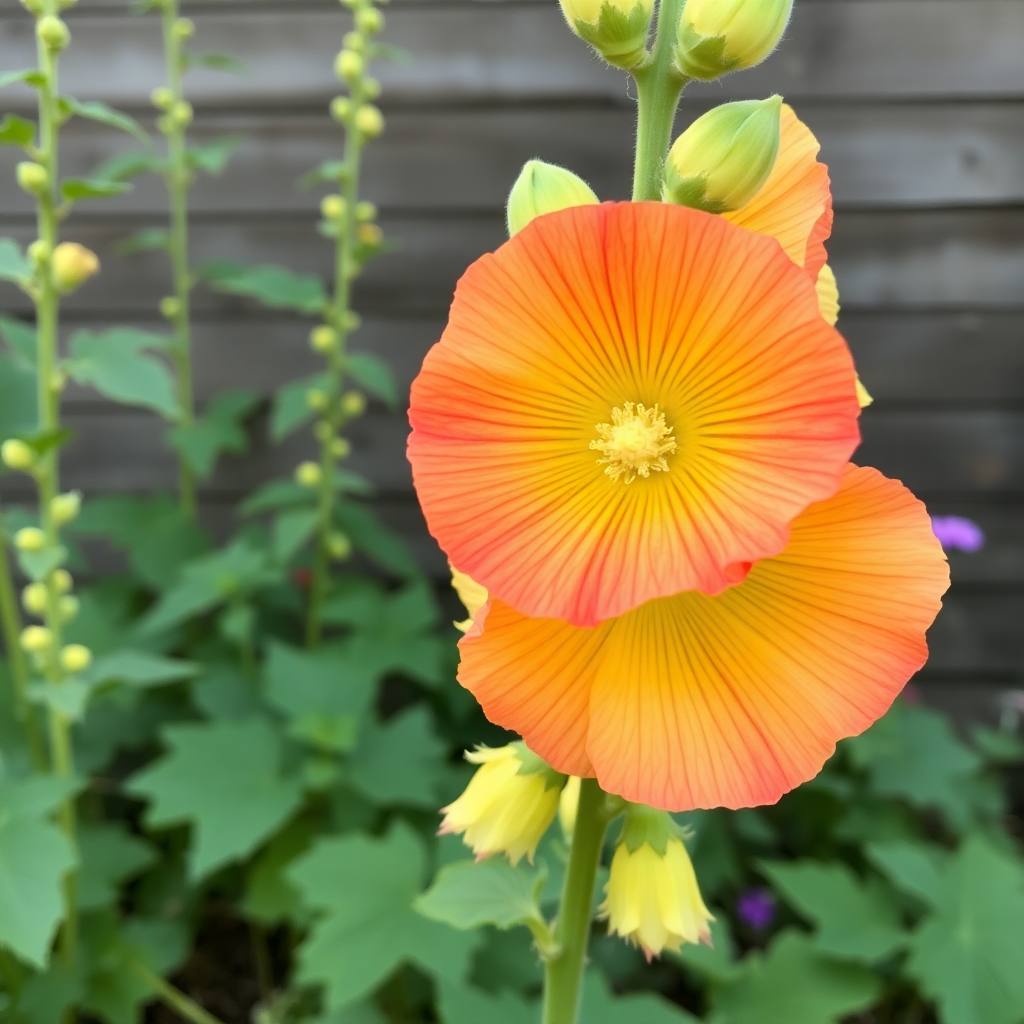
These biennial or short-lived perennial flowers typically bloom in the second year after planting, sending up stalks that can reach heights of 6 to 8 feet. Their large, saucer-like blossoms come in a rich palette of colors, including pink, red, white, yellow, purple, and even near-black hues, often with a striking dark center.
One of the most beloved qualities of the hollyhock is its ability to self-seed. Once established, these flowers often return year after year, creating naturalized drifts that lend a romantic, effortless feel to the garden. They thrive in full sun and well-drained soil, making them ideal for borders, backdrops, and even containers with proper support.
Beyond their ornamental appeal, hollyhocks have cultural and symbolic significance. In Victorian flower language, they represented ambition and fertility—fitting, given their upward growth and abundant blooms. In traditional herbal practices, hollyhock petals were used in soothing skin remedies, and the mucilaginous properties of the plant were believed to ease digestive discomfort.
Hollyhocks also attract pollinators. Their open flowers draw in bees, butterflies, and hummingbirds, enhancing the ecological value of any garden. As they sway in the summer breeze, their bold presence creates vertical interest and drama.
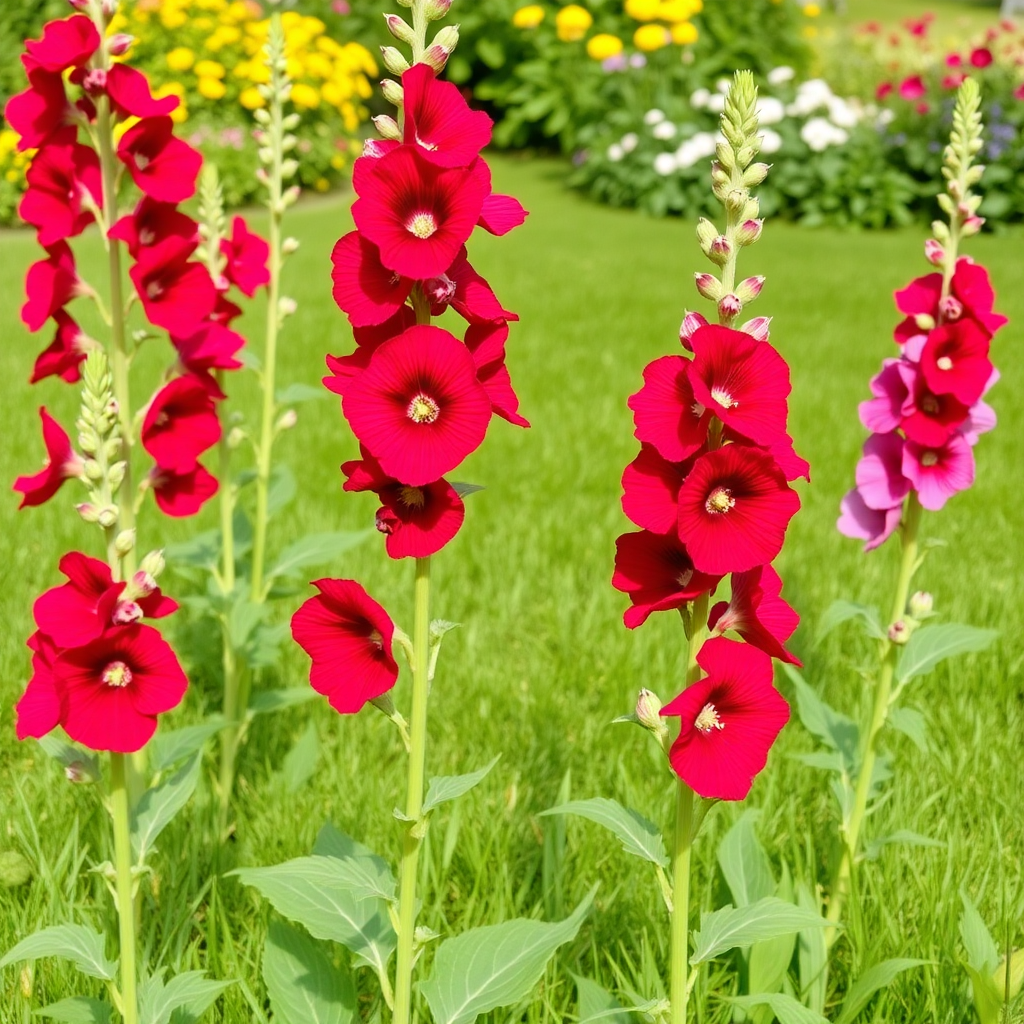
While hollyhocks can be susceptible to rust (a common fungal disease), proper spacing, good air circulation, and timely cleanup of leaves can help prevent issues. Many modern varieties have improved disease resistance, making them easier to grow than ever.
Whether you're cultivating a cottage-style garden or simply seeking a striking floral statement, the hollyhock remains an enduring symbol of old-world charm and natural beauty. With minimal care and a bit of patience, these majestic flowers reward gardeners with unmatched elegance and a nostalgic nod to gardens of the past.