Jungle Jalebi: Nature's Sweet and Twisted Delight
The Jungle Jalebi, scientifically known as Pithecellobium dulce, is a fascinating fruit that brings together beauty, sweetness, and nostalgia. Its spiral-shaped pods resemble the famous Indian sweet "jalebi," which is how it earned its popular name. As the pods ripen, they split open to reveal a soft, cotton-like pulp that ranges from white to pink, offering a unique sweet and tangy flavor. Growing on a large, shady tree, Jungle Jalebi is a familiar sight in many tropical and subtropical regions.
One of the most remarkable features of the Jungle Jalebi tree is its resilience. It thrives in hot climates, tolerates poor soil, and requires very little care once established. Its wide canopy provides welcome shade during scorching summer days, while its fragrant flowers attract bees, butterflies, and other pollinators. The tree plays an important role in supporting local biodiversity, making it much more than just a source of delicious fruit.
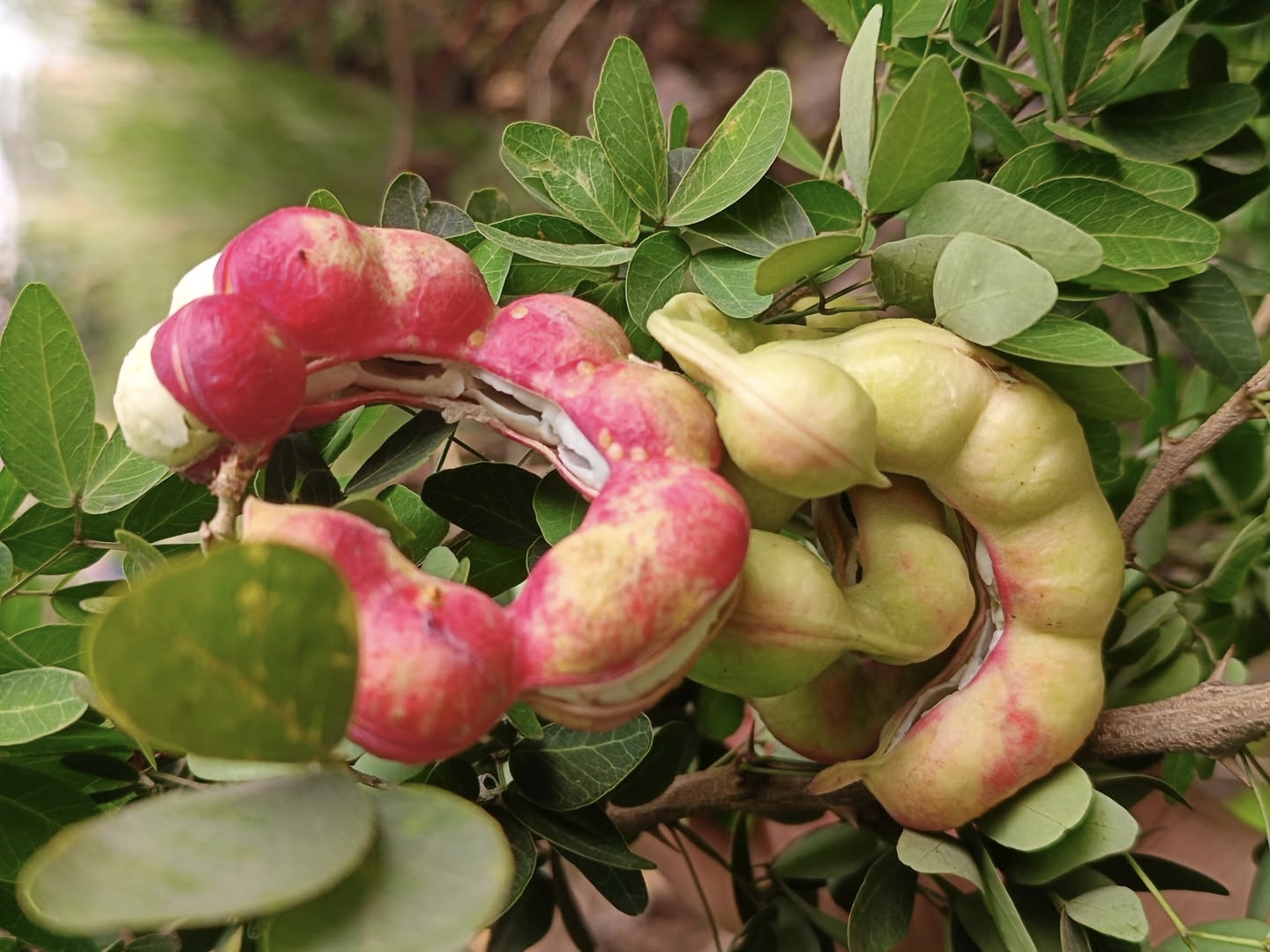
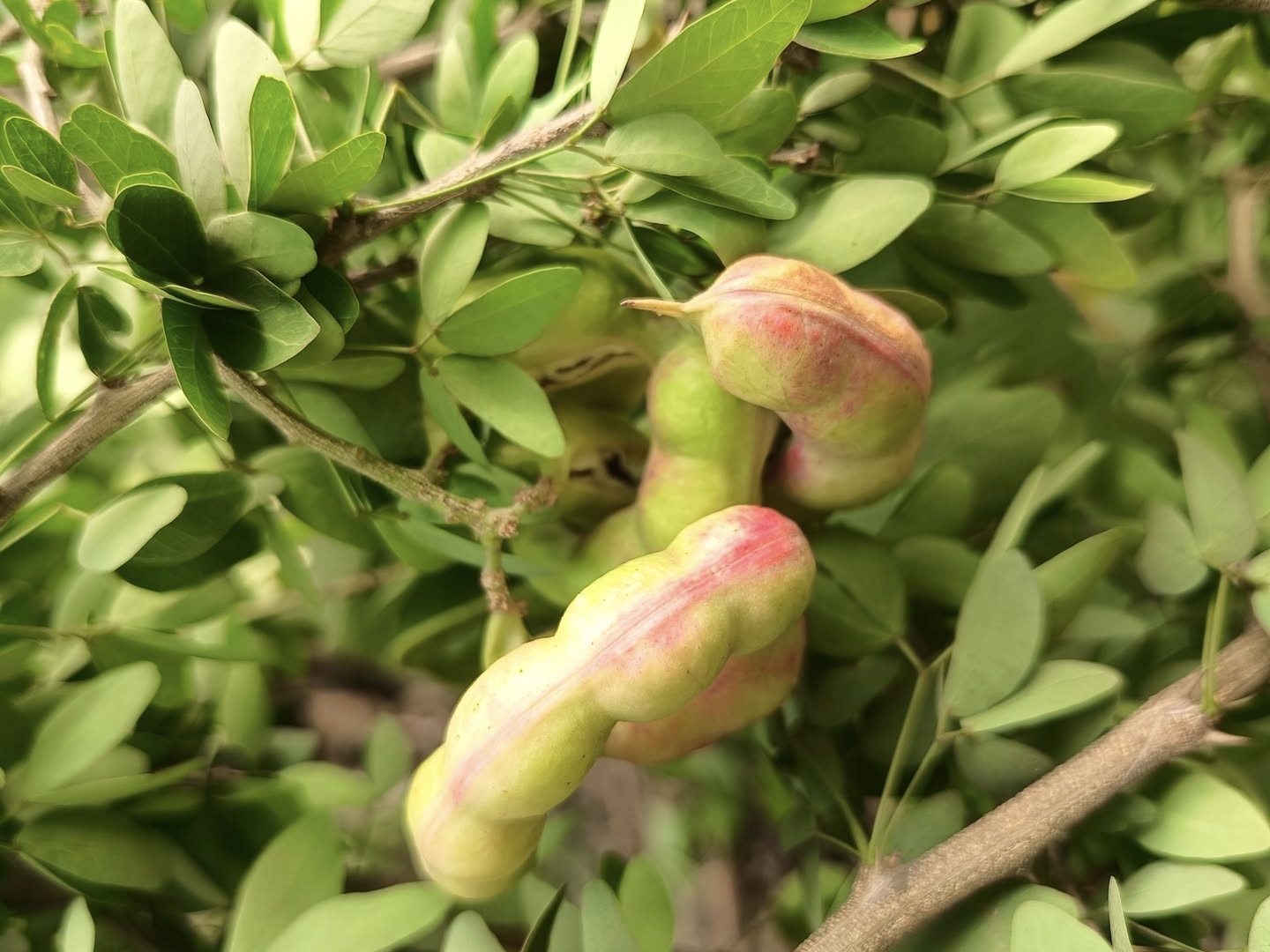
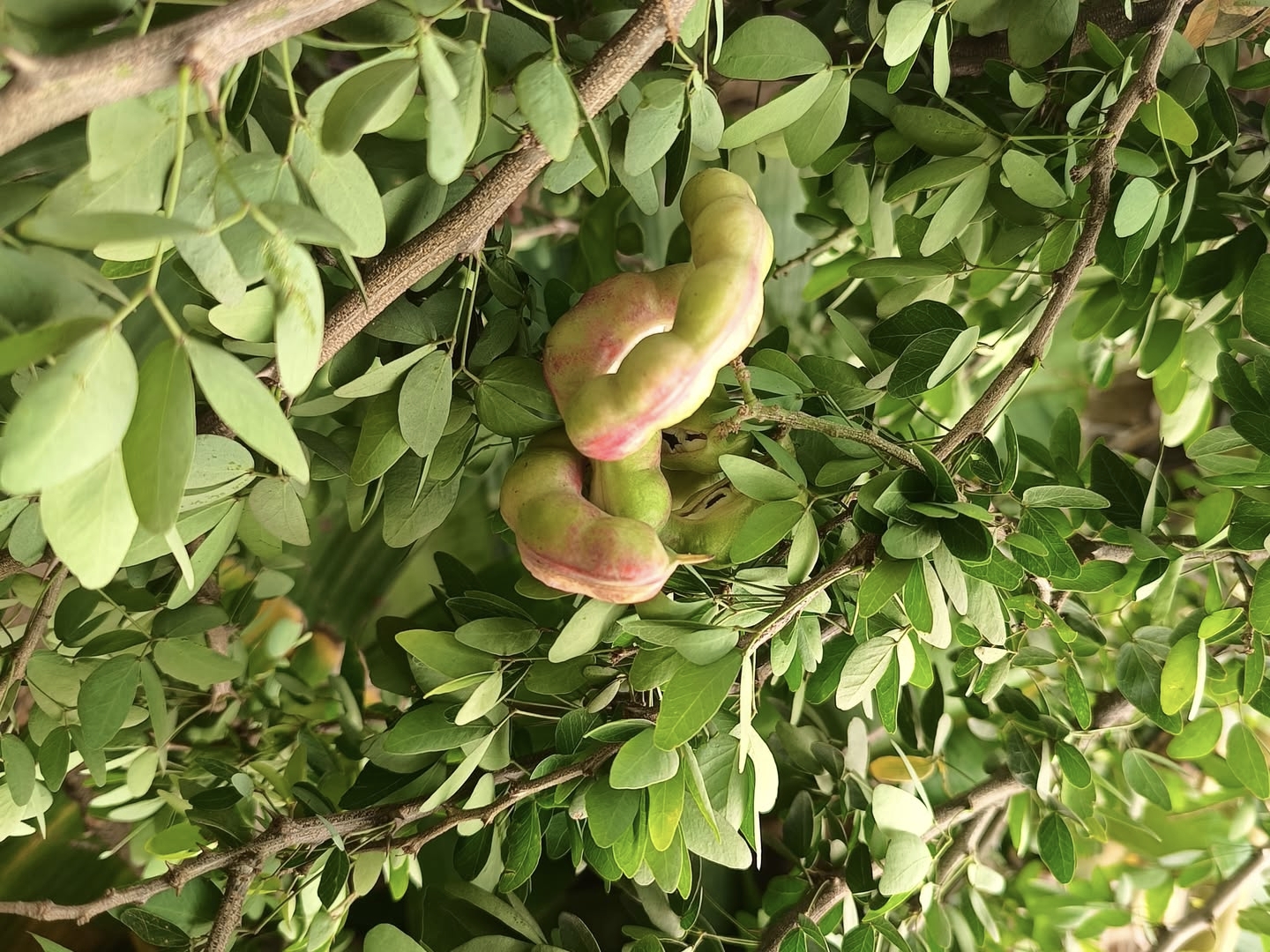
For many people, Jungle Jalebi is closely tied to childhood memories. Climbing the tree, collecting freshly opened pods, and sharing the sweet pulp with friends are experiences that bring smiles even years later. Its naturally sweet taste, balanced by a hint of tanginess, makes every bite refreshing. These simple moments remind us that some of life's greatest joys come directly from nature, without any need for packaging or processing.
Beyond its delightful flavor, the Jungle Jalebi tree has long been valued in traditional practices. Different parts of the plant, including its leaves, bark, and fruits, have been used in folk remedies for generations. While modern medicine continues to study its properties, the tree has already earned a respected place in rural communities as a useful and dependable natural resource.
Upvoted! Thank you for supporting witness @jswit.