Murta Flower: The Quiet Thread of Nature and Tradition
The Murta flower grows quietly in the wet, green corners of South Asia, often unnoticed by those rushing past riversides and marshy paths. It is not a flower that seeks attention with bold colors or dramatic shapes. Instead, it carries a soft presence, woven into the everyday lives of rural communities where nature and tradition gently overlap.
In many places, murta is known more for its plant than its bloom, yet the flower itself reflects the same simplicity that defines the entire plant. It rises modestly among tall green stems, shaped by humid air and slow-moving water. There is a kind of honesty in its appearance—nothing exaggerated, nothing artificial—just the steady expression of life growing where conditions allow.
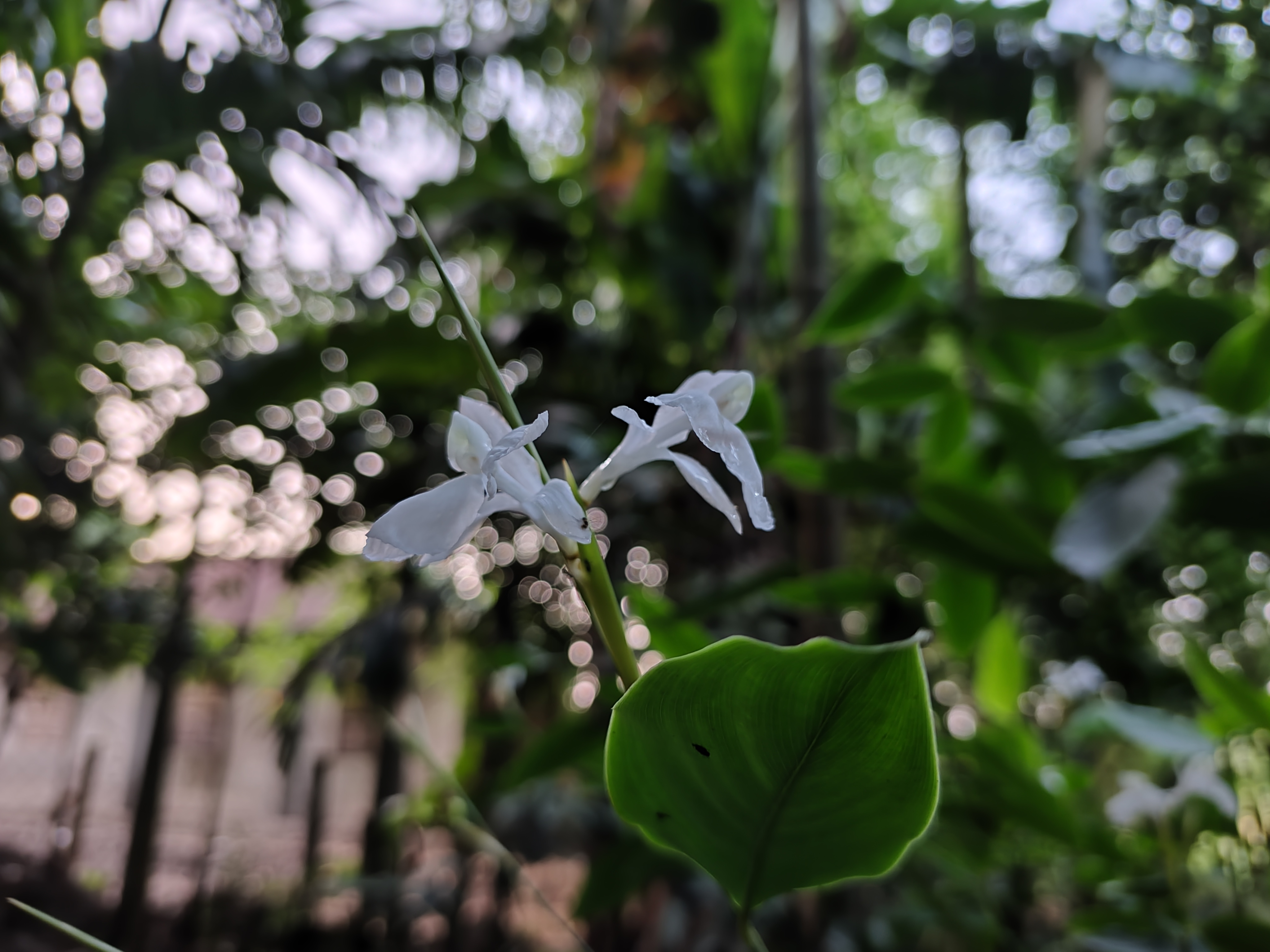
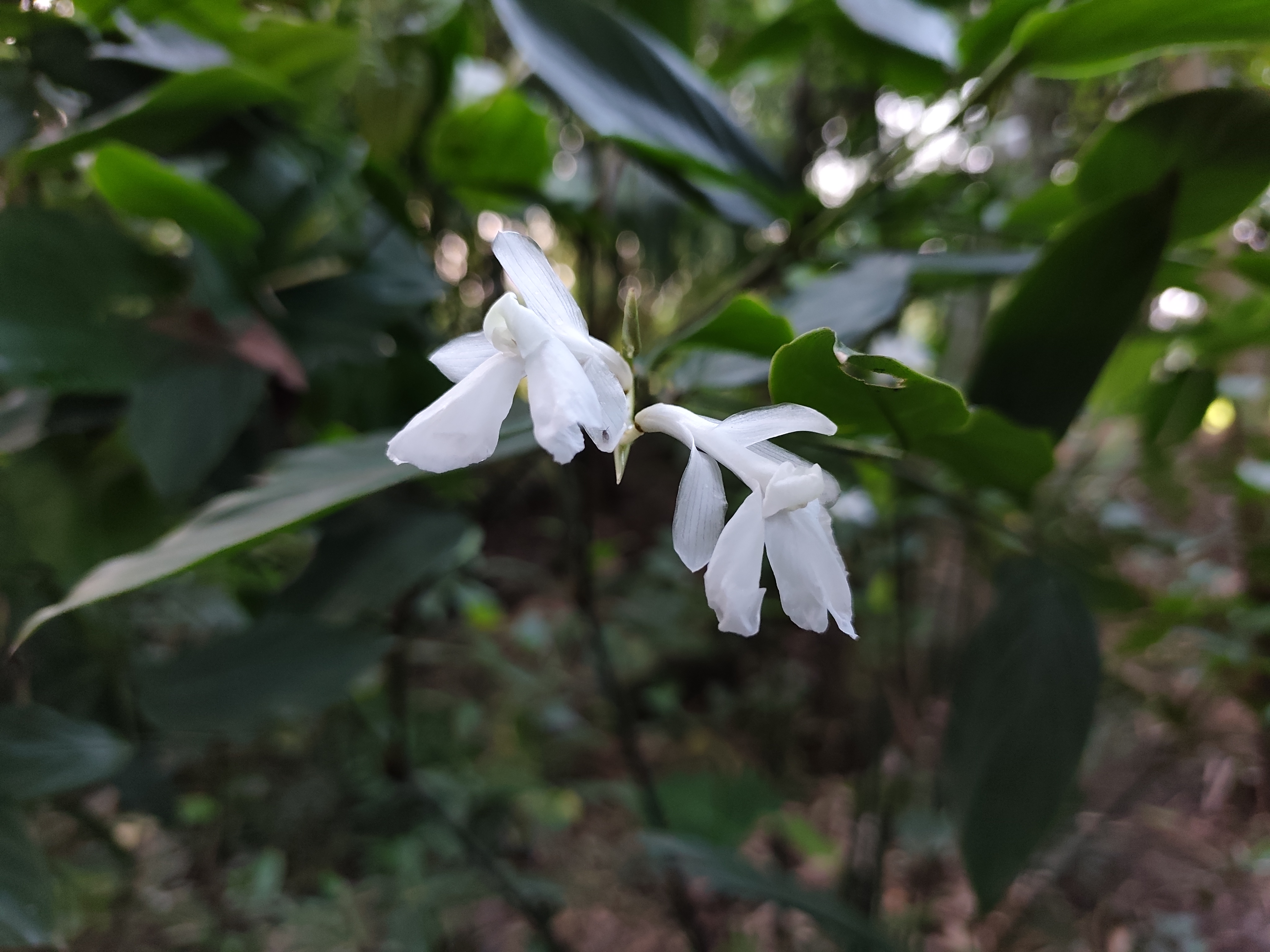
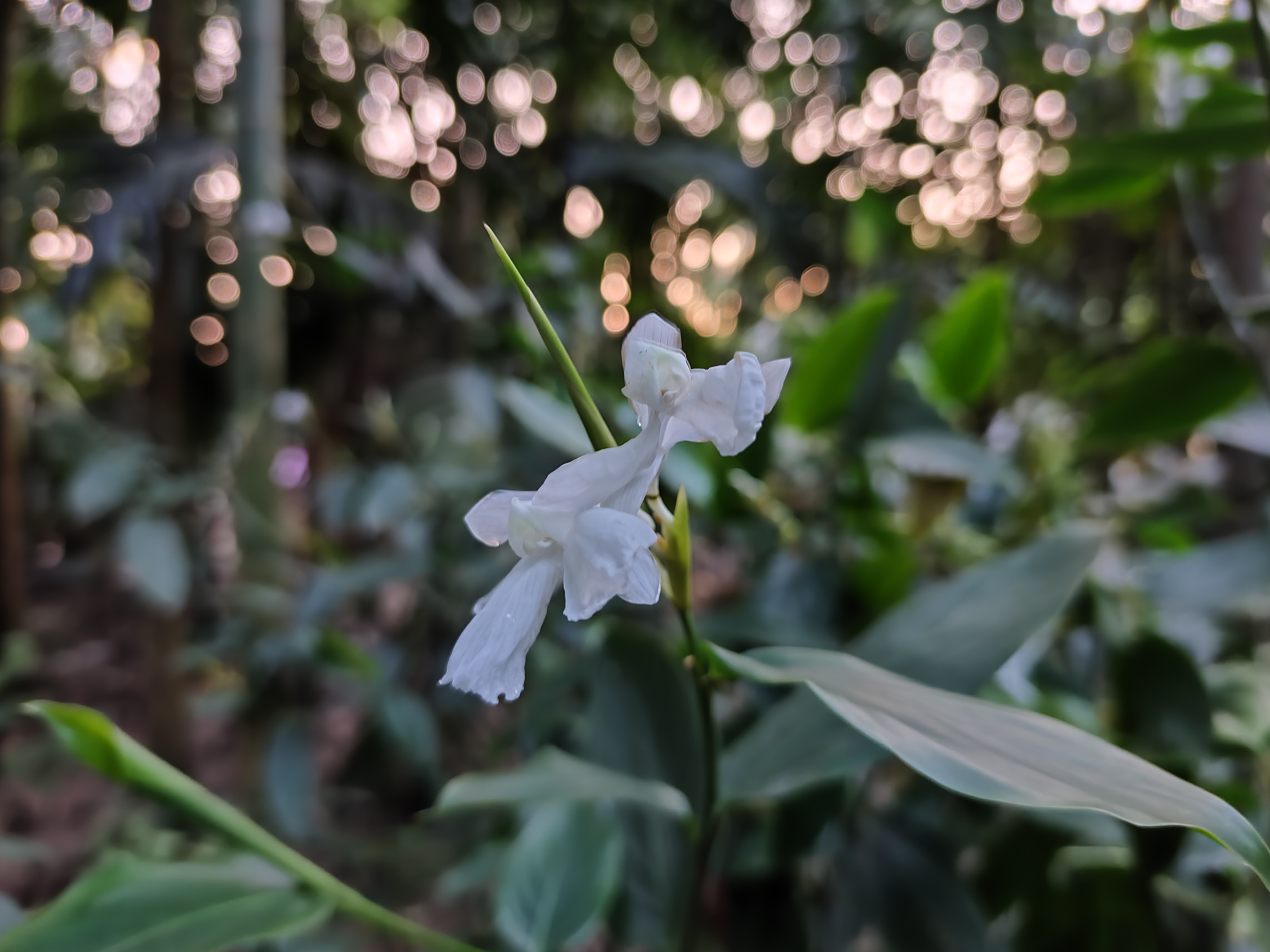
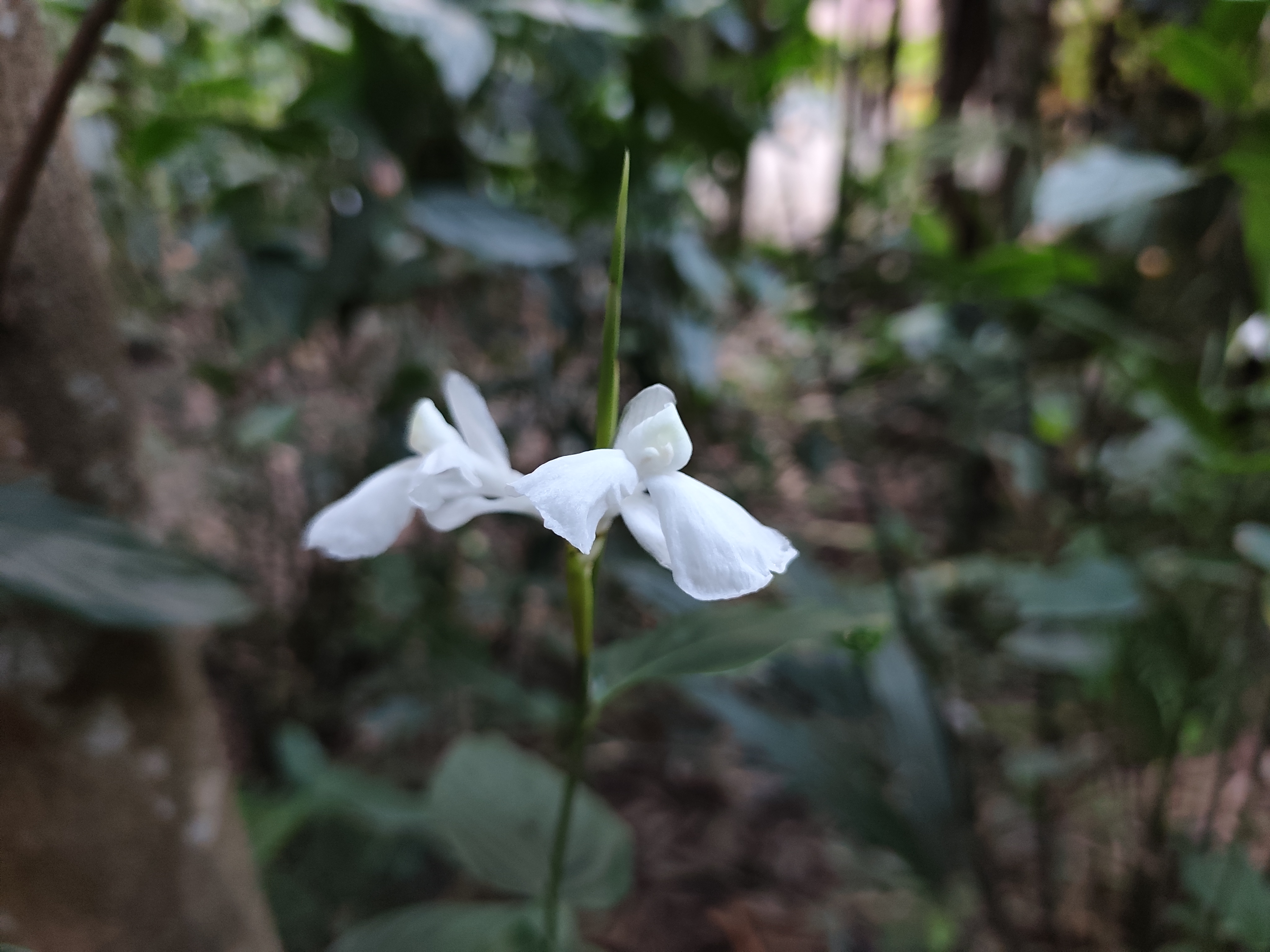
Murta has long been connected to human craftsmanship, especially in the making of traditional mats and handwoven items. While the flower may seem secondary to this cultural role, it represents the beginning of that entire journey. Before the weaving, before the hands of artisans shape its fibers, there is this quiet moment of flowering, where nature prepares its gift without ceremony or noise.
There is something deeply grounding about observing plants like murta in their natural habitat. They remind us that beauty does not always announce itself loudly. Sometimes it exists in repetition, in resilience, in the ability to grow in wet soil and shifting water. The flower becomes a symbol of continuity rather than spectacle, teaching patience through its very existence.
Upvoted! Thank you for supporting witness @jswit.