Cluster Figs Fruit: The Hidden Treasure of Nature
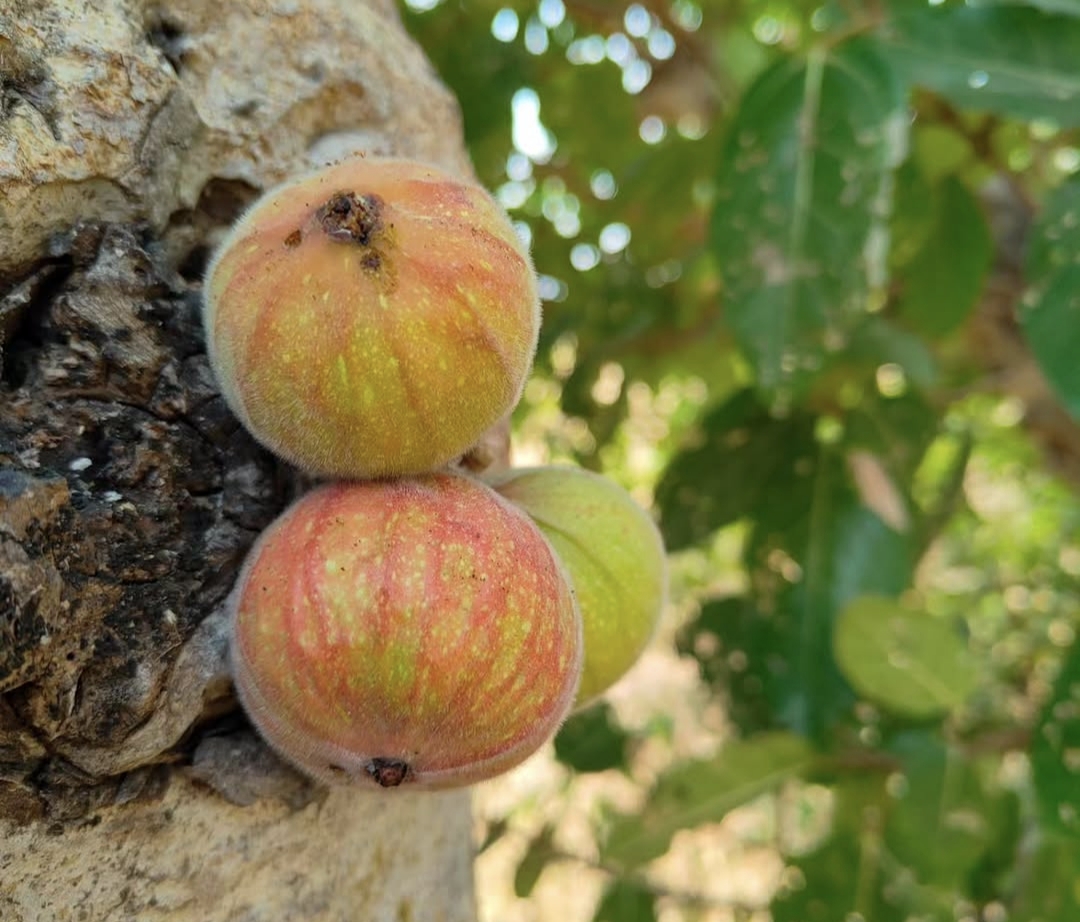
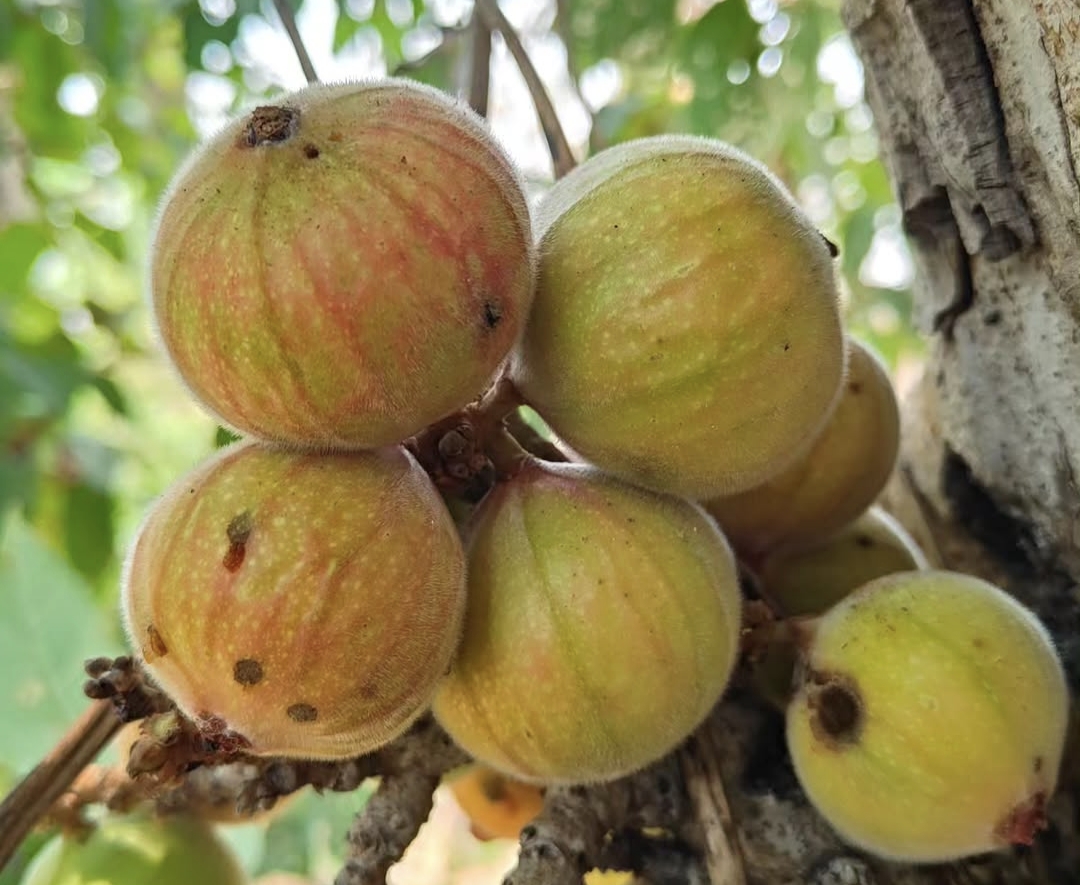
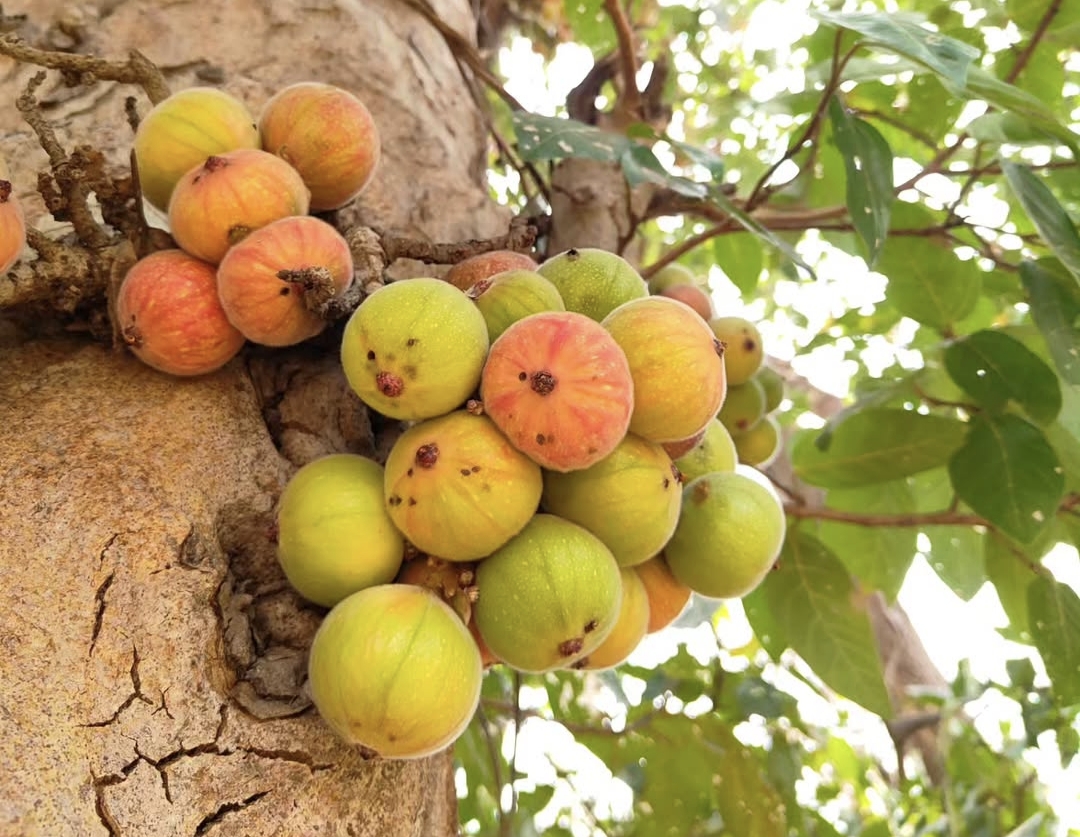
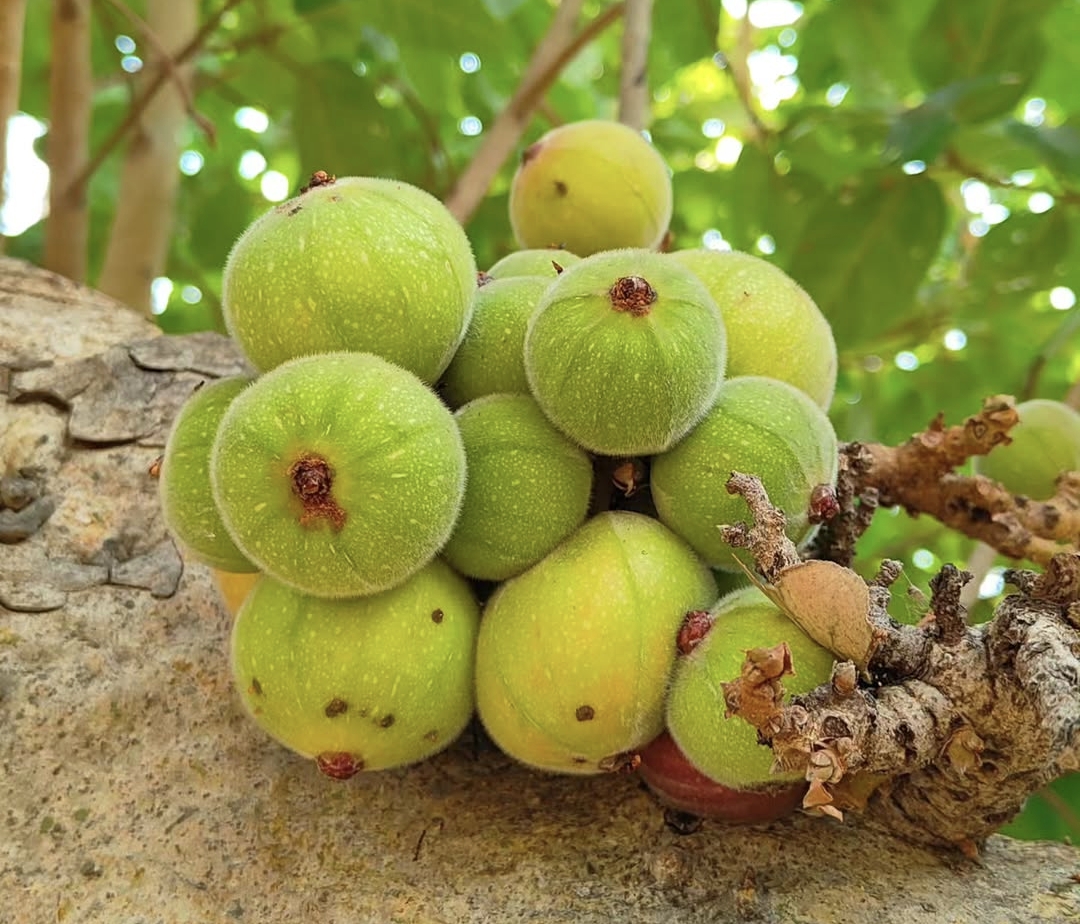
Cluster figs fruit is one of nature’s lesser-known yet fascinating gifts, growing in bunches directly from the trunk and branches of the tree. Unlike many fruits that hang delicately from stems, cluster figs create a unique and striking appearance that immediately captures attention. Found mainly in tropical and subtropical regions, these small round fruits have been valued for generations for both their ecological importance and traditional uses.
The fruit changes color as it ripens, often turning from green to reddish or deep orange shades. Inside, the soft flesh contains tiny seeds and a mildly sweet taste that attracts birds, bats, and various wildlife. This natural relationship between the tree and animals helps maintain ecological balance, as the creatures spread seeds across forests and rural landscapes. Because of this, cluster fig trees are often considered important guardians of biodiversity.
Beyond their role in nature, cluster figs have long been connected to traditional culture and local remedies in many Asian communities. Different parts of the tree, including the fruit, bark, and leaves, have been used in folk practices for centuries. Villagers often appreciate the tree not only for its fruit but also for the deep shade it provides during hot summer days. Its strong trunk and spreading branches create a peaceful gathering place where people rest, talk, and connect with nature.