Frangipani Flower: The Gentle Poetry of Nature
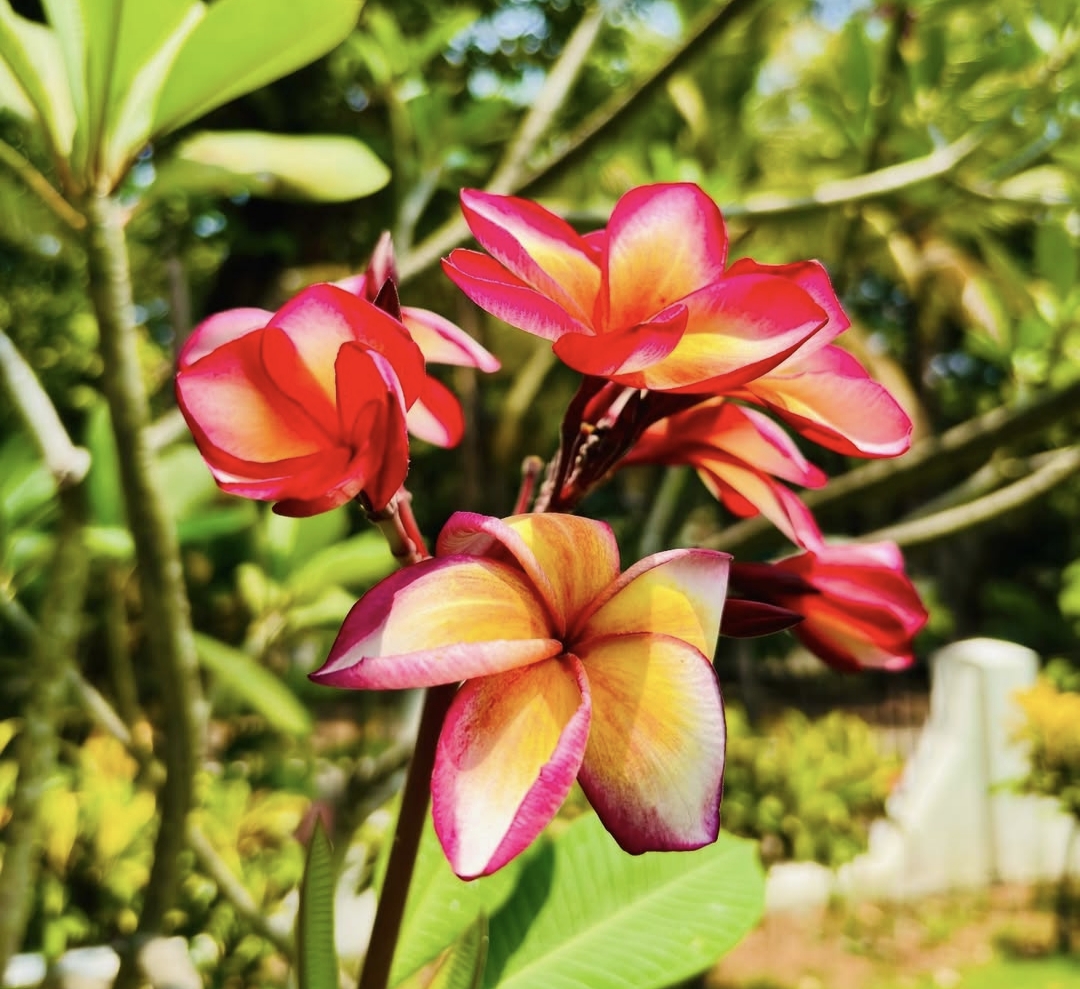
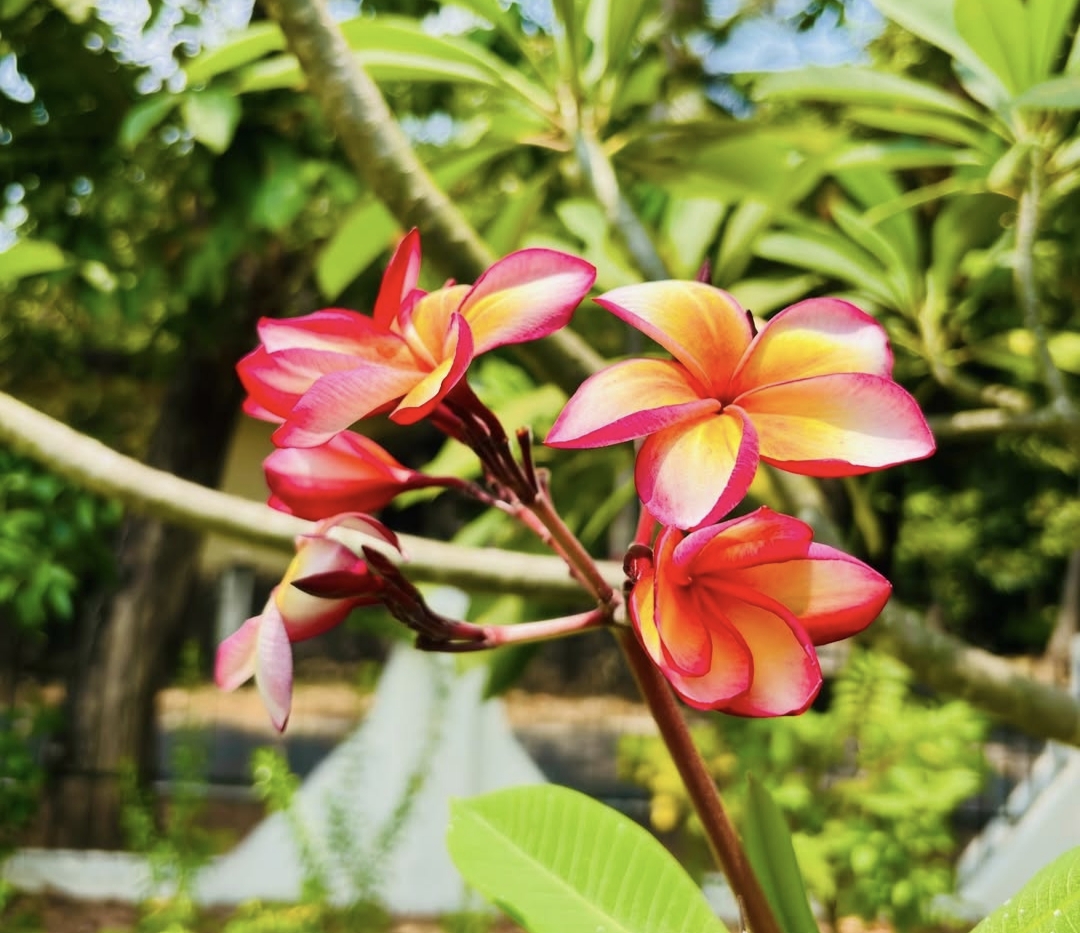
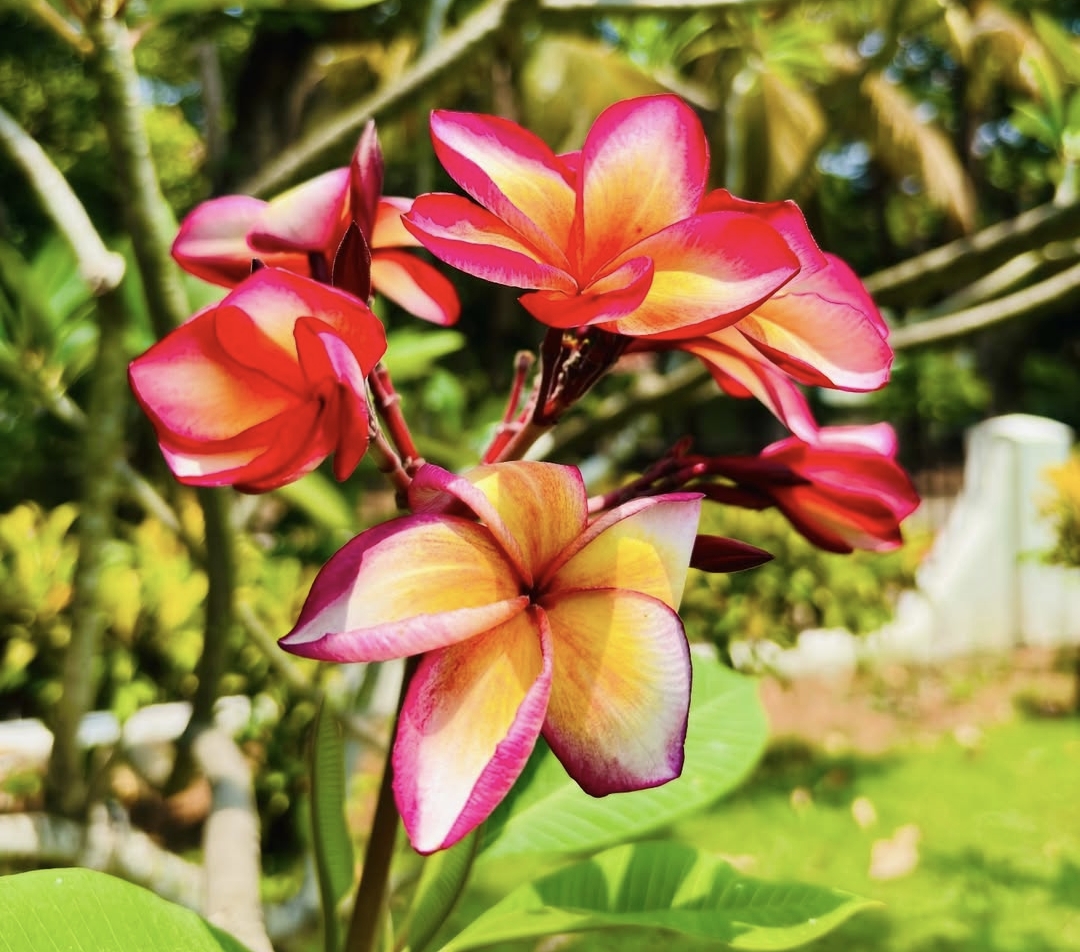
The Frangipani flower is one of nature’s most graceful creations, admired for its soft petals and soothing fragrance. With shades of white, yellow, pink, and sometimes deep red, the flower carries a tropical charm that instantly creates feelings of peace and warmth. Its petals appear smooth and delicate, almost like they were painted by hand. Whether blooming under bright sunlight or falling gently onto the ground, the Frangipani has a beauty that feels calm, pure, and timeless.
One of the most enchanting qualities of the Frangipani is its fragrance. The sweet scent becomes stronger during the evening, filling gardens and pathways with a peaceful aroma that lingers in the air. In many tropical countries, people associate the flower with relaxation, love, and spiritual calmness. A single Frangipani blossom can transform an ordinary moment into something memorable, reminding us how deeply nature can touch human emotions through simple beauty.
The Frangipani tree itself is a symbol of quiet resilience. Even during dry seasons, when its branches may appear bare and lifeless, the tree eventually bursts back into bloom with fresh flowers and leaves. This cycle of renewal gives the Frangipani a deeper meaning. It teaches us that difficult times are often temporary and that beauty can return even after seasons of struggle. Its ability to bloom so gracefully despite hardship makes the flower deeply inspiring.
Across different cultures, the Frangipani holds spiritual and emotional significance. It is often used in temples, celebrations, and traditional ceremonies as a symbol of peace, devotion, and immortality. In tropical islands, flower garlands made from Frangipani blossoms are offered as gestures of welcome and affection. The flower’s gentle appearance and comforting fragrance create a feeling of connection, making it more than just a decorative plant—it becomes part of human memories and traditions.