Madhumalti Flower: The Fragrant Vine of Changing Colors
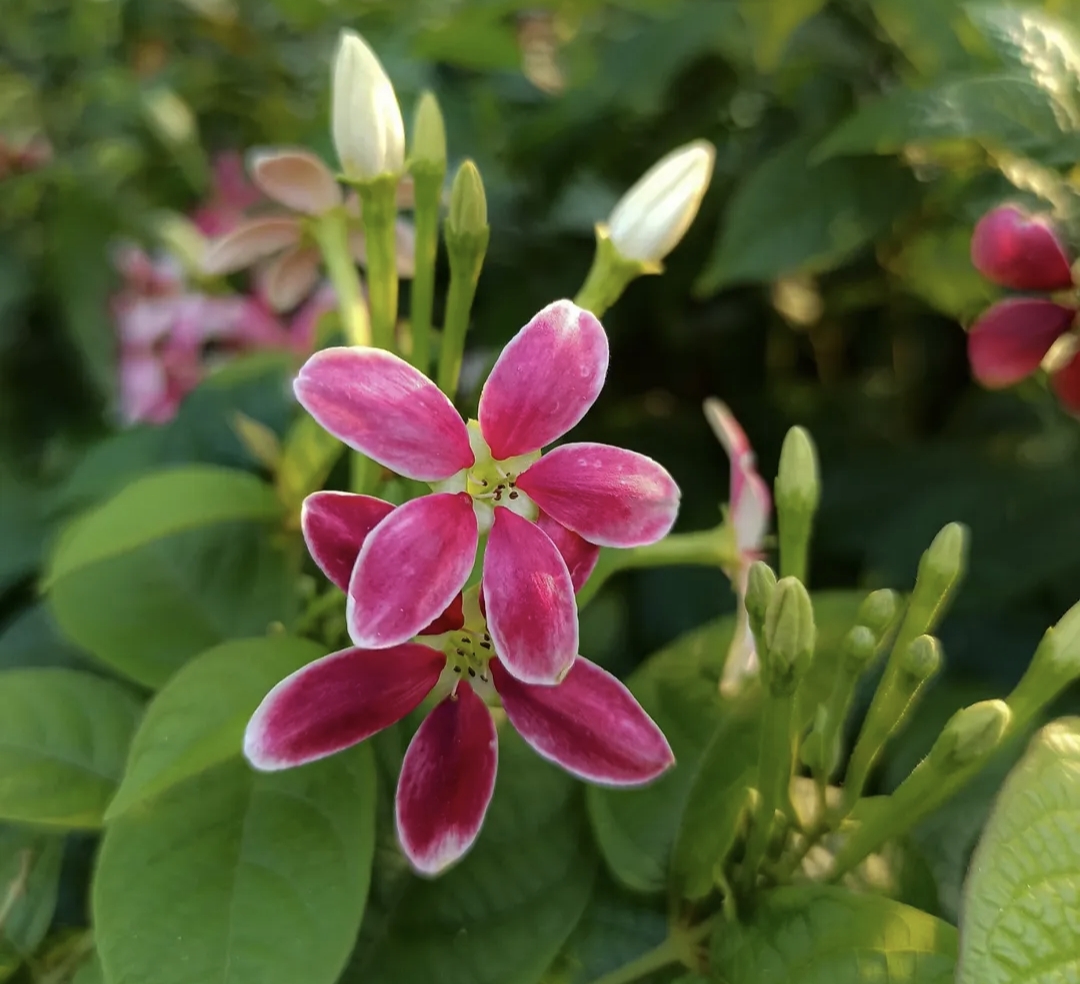
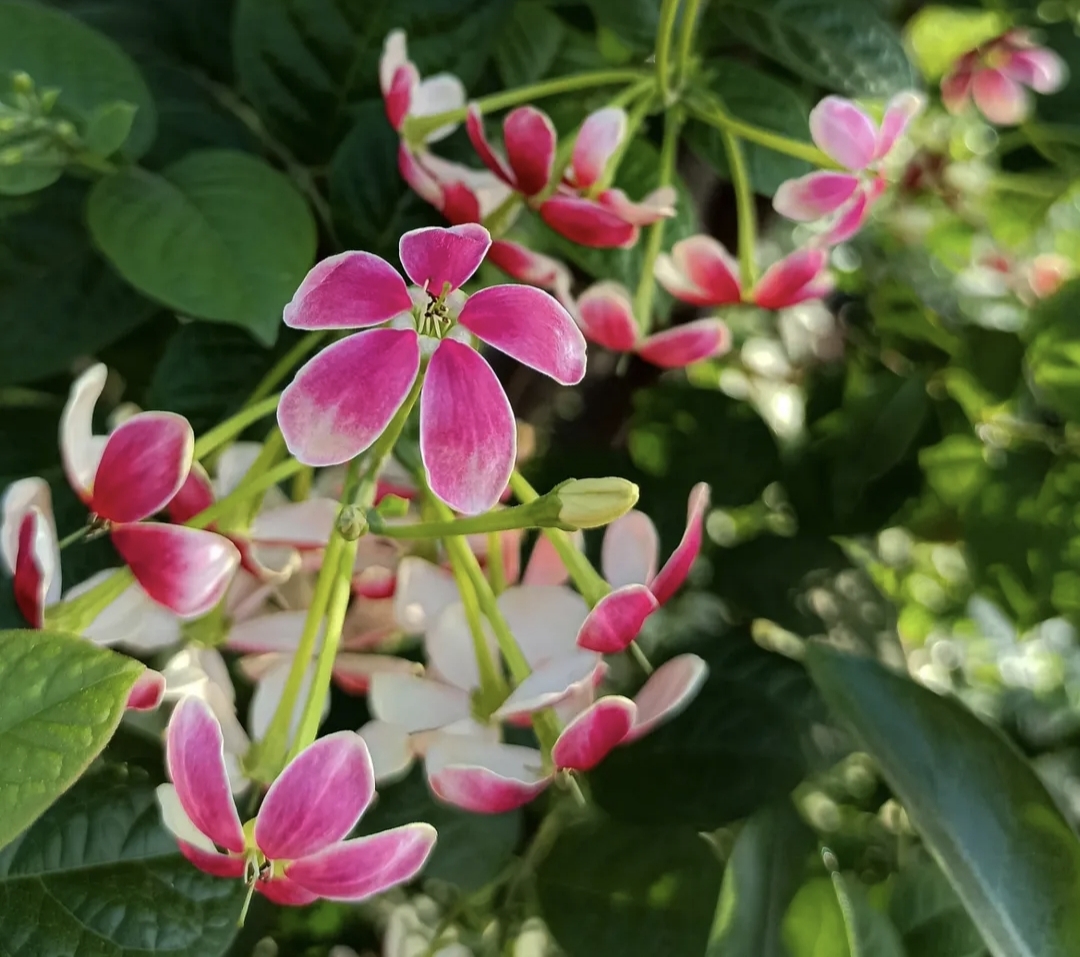
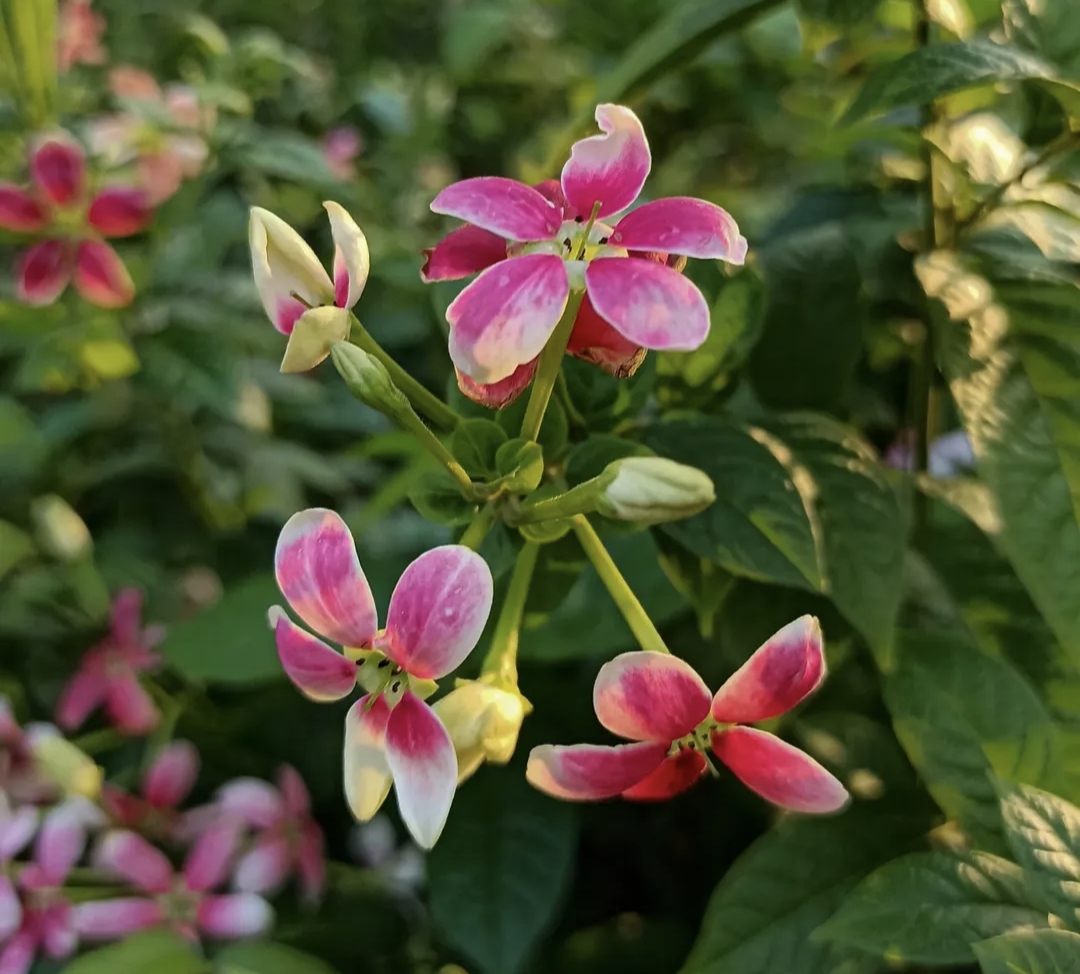
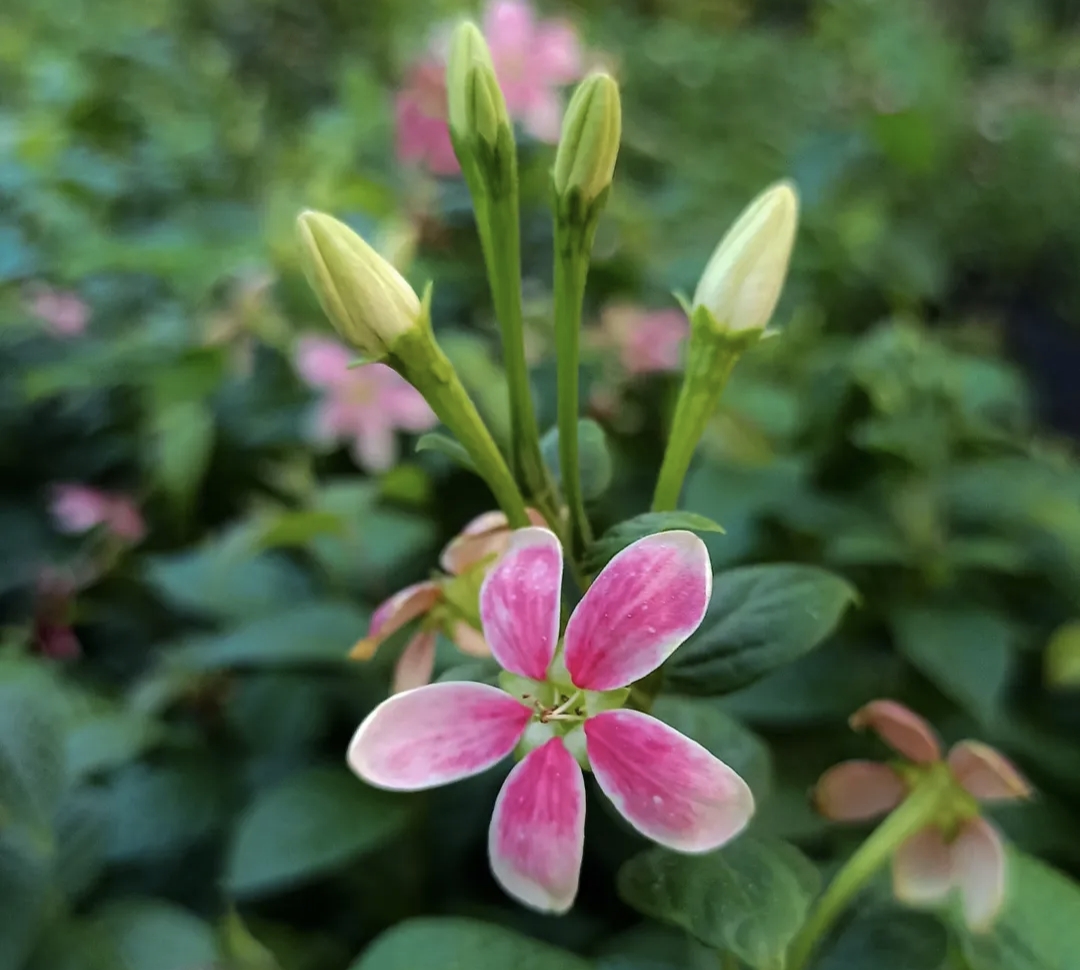
The Nayantara flower, also known as periwinkle, is one of nature’s quiet wonders. Its delicate petals, usually found in shades of pink, white, purple, or soft lavender, bloom gracefully in gardens, roadsides, and household pots. Though small in size, the flower carries a peaceful charm that instantly brightens its surroundings. Unlike rare flowers that demand special attention, Nayantara blossoms effortlessly in ordinary places, reminding us that beauty often lives in simplicity.
One of the most admirable qualities of the Nayantara flower is its resilience. It thrives under strong sunlight, survives in poor soil, and continues blooming even during harsh weather conditions. This ability to flourish despite challenges has made it a symbol of endurance and hope. Many gardeners appreciate the plant not only for its beauty but also for how little care it requires. Its evergreen leaves and constant blooms create a soothing presence in homes and gardens throughout the year.
Beyond its ornamental value, the Nayantara flower also holds importance in traditional medicine. In many cultures, parts of the plant have been used in herbal remedies for generations. Modern science has also recognized its significance, as certain compounds found in the plant are used in life-saving medicines. This hidden medicinal power makes the humble flower even more remarkable. Beneath its soft appearance lies a plant that has contributed greatly to human health and healing.
The flower is deeply connected to everyday memories in tropical regions. Children often pick the blossoms to make tiny garlands, while elders admire them growing beside walkways and courtyards. Because the plant blooms so generously, it creates a feeling of warmth and familiarity wherever it grows. Its presence is calm rather than dramatic, making it a beloved companion in peaceful home gardens and quiet village paths.